Mushroom Growing & Foraging in the UK — Your Complete Guide
By Andrew Langevin · Founder, Nature Lion Inc · Contributing author, Mushroomology (Brill, 2026)
Updated May 2026 · 20 min read
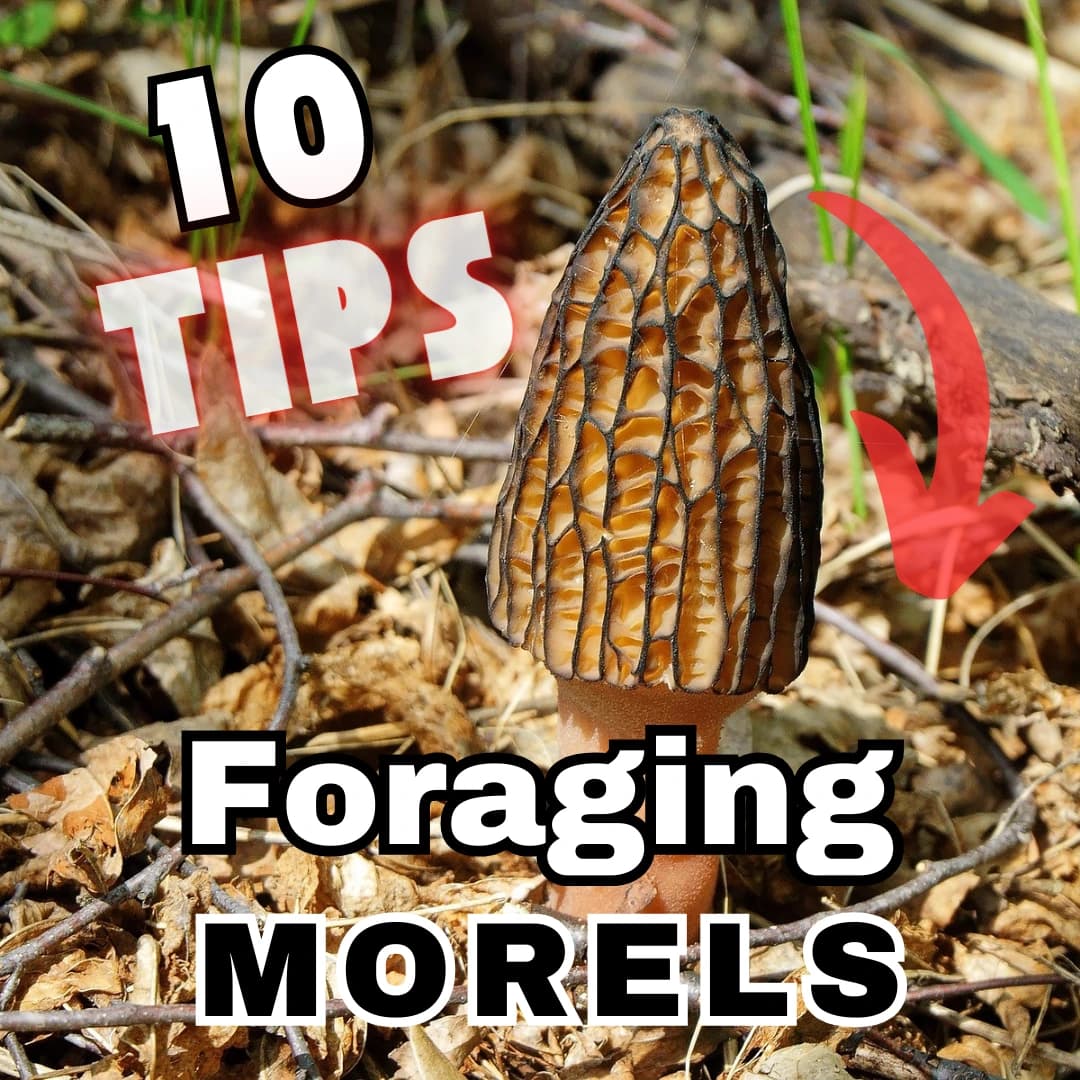
The United Kingdom and Ireland have one of the richest foraging traditions in Europe and a rapidly growing cultivation scene. From penny buns beneath ancient oaks in the New Forest to oyster mushrooms fruiting in a London flat, these islands offer extraordinary opportunities for anyone interested in fungi — whether you prefer hunting them in the wild or growing them at home.
The British climate is, frankly, superb for mushrooms. Cool temperatures, reliable rainfall, and mild winters create conditions that most gourmet and medicinal species thrive in. The UK's ancient woodlands — some dating back thousands of years — harbour mycorrhizal networks of staggering complexity, producing some of the finest wild edibles on Earth.
This guide covers everything a British or Irish mushroom enthusiast needs: a month-by-month foraging calendar, the best edible and deadliest species on these islands, where to forage, the legal framework, and a thorough overview of cultivation methods that work brilliantly in the British climate.
The UK Foraging Calendar
The British Isles offer foraging opportunities in every month of the year, though autumn is unquestionably the peak season. The mild, damp climate — particularly in western regions of England, Wales, Scotland, and Ireland — produces fruiting conditions that many continental European foragers envy. The key driver is moisture: a sustained spell of rain followed by mild temperatures (8–18°C) triggers mass fruitings across woodland, grassland, and urban habitats alike.
Regional variation matters. Southern England sees earlier spring fruitings and later autumn seasons than Scotland. Western coasts — Cornwall, Wales, the west of Ireland — receive more rainfall and often produce more abundantly than the drier east. Altitude also plays a role: Highland foraging runs roughly two to three weeks behind the Lowlands. Use our species-by-season guide alongside this calendar for a global perspective.
| Season | Months | Key Species |
|---|---|---|
| Spring | Mar–May | St George's mushroom (Calocybe gambosa, traditionally appears 23 April), morels (rare but present in gardens, woodchip, and chalk grassland), dryad's saddle (Cerioporus squamosus, on dead elms and other broadleaves), scarlet elf cup (continues from winter) |
| Summer | Jun–Aug | Chanterelles begin (July onwards), chicken of the woods (Laetiporus sulphureus), giant puffball (Calvatia gigantea), field mushrooms (Agaricus campestris) after rain, summer ceps (early Boletus in warm years) |
| Autumn | Sep–Nov | PEAK SEASON. Penny bun/cep (Boletus edulis), chanterelles peak, hedgehog fungus (Hydnum repandum), horn of plenty (Craterellus cornucopioides), amethyst deceiver, parasol (Macrolepiota procera), shaggy ink cap, honey fungus, oyster mushrooms, wood blewit, field blewit |
| Winter | Dec–Feb | Velvet shank (Flammulina velutipes), oyster mushrooms (Pleurotus ostreatus), wood ears (Auricularia auricula-judae), scarlet elf cup (Sarcoscypha coccinea), turkey tail, chaga on birch (Inonotus obliquus) |
Climate change is shifting these windows. Many foragers report that autumn fruitings now extend well into December in southern England, and spring species are appearing earlier than a decade ago. Keeping a foraging diary is one of the most valuable habits you can develop — it reveals local patterns that no general calendar can capture. For more on seasonal foraging strategies, see our foraging basics guide.
15 Best Edible Wild Mushrooms in the UK
The UK hosts hundreds of edible fungal species, but these fifteen are the most rewarding, most recognisable, and most commonly encountered. Each has been foraged in Britain for centuries. Start with the species marked “beginner” and work your way up — and always cross-reference with our identification guide and a reliable field guide before eating anything.
| Species | Season | Habitat | Difficulty |
|---|---|---|---|
| Penny bun / Cep Boletus edulis | Aug–Nov | Under oak, beech, birch, Scots pine | Intermediate |
| Chanterelle Cantharellus cibarius | Jul–Nov | Birch, beech, oak, pine woodland; mossy ground | Intermediate |
| Hedgehog fungus Hydnum repandum | Sep–Dec | Beech, oak, and mixed woodland | Beginner |
| Horn of plenty Craterellus cornucopioides | Sep–Nov | Beech woodland; leaf litter on chalky soil | Intermediate |
| Parasol Macrolepiota procera | Aug–Nov | Grassland, woodland edges, road verges | Intermediate |
| Field mushroom Agaricus campestris | Jun–Oct | Grazed pasture, meadows, lawns | Intermediate |
| Giant puffball Calvatia gigantea | Jul–Oct | Meadows, hedgerows, woodland edges | Beginner |
| Chicken of the woods Laetiporus sulphureus | May–Sep | Oak, sweet chestnut, yew, willow (bracket on living trees) | Beginner |
| Oyster mushroom Pleurotus ostreatus | Oct–Mar | Dead or dying beech, ash, birch, poplar | Beginner |
| Wood blewit Lepista nuda | Oct–Dec | Woodland leaf litter, compost heaps, garden mulch | Intermediate |
| Amethyst deceiver Laccaria amethystina | Sep–Nov | Beech, oak, and birch woodland | Advanced |
| Shaggy ink cap Coprinus comatus | Jun–Nov | Disturbed ground, lawns, road verges, parks | Beginner |
| Scarlet elf cup Sarcoscypha coccinea | Dec–Apr | Fallen branches in damp woodland | Beginner |
| St George's mushroom Calocybe gambosa | Apr–Jun | Chalk grassland, hedgerows, woodland edges | Intermediate |
| Honey fungus Armillaria mellea | Sep–Nov | Base of broadleaf and conifer trees | Advanced |
Beginner-friendly species are those with distinctive features and few or no dangerous look-alikes: hedgehog fungus (spines instead of gills), giant puffball (unmistakable size), chicken of the woods (bright orange brackets), oyster mushrooms (growing from wood), scarlet elf cup (vivid red cups in winter), and shaggy ink cap (dissolving into ink). Start with these before attempting the intermediate and advanced species.
For detailed profiles of each species, including photographs, spore prints, and preparation tips, explore our choice edible species guide and our species growing guides.
Deadly Mushrooms in the UK — Know Before You Go
Before you learn what to eat, learn what will kill you. The UK hosts several species capable of causing fatal poisoning, and every serious forager must be able to recognise them on sight. Our complete deadly mushrooms guide covers global species in detail; here we focus on the British threats.
Death Cap — Amanita phalloides
Responsible for over 90% of fatal mushroom poisonings worldwide. Found under oak and occasionally beech, particularly in southern England, the Midlands, and increasingly in Wales and East Anglia. Originally rare, death caps have spread dramatically — likely imported with European tree nursery stock — and are now moving northward with climate change. The olive-green to yellowish cap, white gills, sac-like volva at the base, and pendant ring are diagnostic features. Symptoms (severe gastrointestinal distress) appear 6–12 hours after ingestion, by which time amatoxins have already begun destroying the liver. Learn to recognise this species from our deadly species location guide.
Destroying Angel — Amanita virosa
Pure white, elegant, and equally lethal as the death cap. Found in birch and beech woodland across the UK, more common in Scotland and northern England. Contains the same amatoxins. Often mistaken for young field mushrooms or horse mushrooms.
Deadly Webcap — Cortinarius rubellus
Particularly common in Scottish Highland pine forests and northern conifer woodland. Contains orellanine, a toxin that destroys the kidneys with symptoms delayed by 3–14 days. This delayed onset means victims often do not connect their illness to mushroom consumption. The tawny-brown, conical cap and rust-coloured gills can lead to confusion with chanterelles in poor light.
Funeral Bell — Galerina marginata
A small, nondescript brown mushroom growing on rotting wood throughout the UK. Contains amatoxins identical to the death cap. Frequently mistaken for edible species growing on wood, including honey fungus and velvet shank. Always check for a ring on the stem and take a spore print (rusty-brown for Galerina, white for Armillaria).
Fool's Funnel — Clitocybe rivulosa
A white, funnel-shaped grassland species that grows in fairy rings alongside edible field mushrooms. Contains muscarine, which causes profuse sweating, salivation, and in severe cases, cardiac complications. Common on lawns, parks, and pastures across the UK.
Panther Cap — Amanita pantherina
A brown-capped Amanita with white warts, found under beech and oak in southern England. Contains ibotenic acid and muscimol in higher concentrations than the fly agaric. Poisoning causes delirium, seizures, and in rare cases, death. Can be confused with the edible blusher (Amanita rubescens) by careless foragers.
If you suspect mushroom poisoning: call 111 (NHS) or 999 for emergencies immediately. Save any remaining mushroom material, including cooking scraps, for identification. Do not wait for symptoms to appear.
Where to Forage in the UK
The UK's diverse landscapes — ancient broadleaf woodland, Caledonian pine forests, chalk downland, coastal heath, and even urban parks — each support distinct fungal communities. The best foraging happens where mature trees form established mycorrhizal partnerships with fungi, typically in woodland that has been undisturbed for decades or centuries.
Ancient Woodlands
The crown jewels of British foraging. The New Forest (Hampshire) is legendary for penny buns, chanterelles, and amethyst deceivers beneath its ancient oaks and beeches. The Forest of Dean (Gloucestershire) offers superb chanterelle territory in its mixed oak-beech woodland. Epping Forest(Essex/London) provides surprisingly productive foraging on the capital's doorstep — penny buns, hedgehog fungus, and horn of plenty all appear regularly.
Scottish Highlands
Scotland is one of the best chanterelle territories in Europe, with massive harvests from birch and pine woodland. Caledonian pine forests around Rothiemurchus and the Cairngorms produce ceps under Scots pine, slippery jacks, and saffron milk caps. The right to roam (Land Reform Act 2003) makes Scottish foraging particularly accessible. Beware the deadly webcap in conifer woods.
Welsh Valleys
The beech woodlands of the Wye Valley and Brecon Beacons are excellent for hedgehog fungus, horn of plenty, and wood blewits. Wales's high rainfall and mild Atlantic climate create ideal conditions, and the relatively low population density means less foraging pressure than popular English spots.
Public Commons and Heathland
Open grassland — village commons, grazed pastures, heathland — produces field mushrooms, giant puffballs, and parasol mushrooms. Horse-grazed fields are particularly productive for field mushrooms. Waxcap grasslands (ancient, unfertilised meadows) host colourful Hygrocybe species and are of significant conservation value.
Urban Parks and Green Spaces
City parks are surprisingly productive. Chicken of the woods appears on park oaks, shaggy ink cap fruits prolifically on disturbed ground and road verges, and wood blewits colonise mulched beds. Always check local council bylaws — some London boroughs prohibit foraging in their parks entirely.
Ireland
Ireland's mild, wet climate is phenomenal for fungi. Ancient oakwoods in Killarney National Park, the Burren's limestone pavement, and conifer plantations across the midlands all produce excellent foraging. Irish foraging law is less codified than the UK — foraging on commonage and public land is generally tolerated, but always seek landowner permission on private land.
Important:always check landowner permission before picking. Foraging is legal on common land in England and Wales under the Theft Act 1968 (“fungi growing wild on any land” is excluded from theft for personal use). Scotland has broader access rights. See our regional foraging overview for worldwide guidance.
UK Foraging Laws and Regulations
Understanding the legal framework is essential for responsible foraging in the UK. The rules differ across jurisdictions, and ignorance is no defence.
England & Wales — Theft Act 1968
Section 4(3) of the Theft Act 1968 states that “a person who picks mushrooms growing wild on any land, or who picks flowers, fruit or foliage from a plant growing wild on any land, does not (although not in possession of the land) steal what he picks, unless he does it for reward or for sale or other commercial purpose.” This means personal-quantity foraging is legal even on private land, but commercial foraging without landowner permission is theft.
Scotland — Land Reform Act 2003
Scotland's right to roam legislation provides broader access rights than England and Wales. The Scottish Outdoor Access Code permits personal foraging as part of responsible access. Commercial harvesting on private land still requires landowner consent. Respect any seasonal restrictions in protected areas.
Northern Ireland
Northern Ireland does not have equivalent right-to-roam legislation. Foraging on private land technically requires landowner permission, even for personal use. Public land and Forestry NI sites generally tolerate personal-quantity collecting, but always check local rules.
Protected Sites
Sites of Special Scientific Interest (SSSIs)and nature reserves may have additional restrictions on fungi collection. Always check before picking. National Trust properties have their own policies — some allow personal foraging, others prohibit it entirely. Forestry England woodlands generally permit personal-use foraging.
Commercial Foraging
Selling wild-picked mushrooms commercially requires landowner permission and compliance with food hygiene regulations. You may need to register with your local Environmental Health department. Some areas — notably the New Forest — have specific bylaws prohibiting commercial foraging entirely. High-profile prosecutions have occurred for large-scale commercial picking without permission.
Growing Mushrooms in the UK
The British climate is, arguably, one of the best in the world for mushroom cultivation. The cool, damp conditions that make us reach for an umbrella are precisely what most gourmet species crave. Where North American growers struggle with extreme summer heat and harsh winters, UK cultivators enjoy a moderate year-round baseline that suits the vast majority of species without expensive climate control.
Why the UK climate is excellent for cultivation:
- Cool temperatures suit most species. Shiitake, oyster, and lion's mane all prefer fruiting temperatures of 10–21°C, which matches the British indoor and outdoor range for much of the year.
- Mild winters mean year-round growing.Unlike continental climates with months of deep frost, UK winters rarely drop below –5°C for extended periods. A well-insulated shed, garage, or spare room maintains growing temperatures with minimal or no heating.
- Log cultivation works brilliantly. English oak, beech, and birch are all excellent log cultivation substrates, and felling timber in winter dormancy is straightforward. Oak + shiitake is a classic combination that produces for 5–8 years per log.
- Straw is readily available.The UK's arable farming sector provides abundant, cheap straw for substrate preparation. A single bale of wheat straw costs a few pounds and produces several kilograms of oyster mushrooms.
- Indoor temperatures are naturally perfect.The typical British home sits at 15–20°C — ideal for most species. A spare bedroom, airing cupboard, garage, or garden shed can serve as a year-round growing space without additional climate control.
Best Species for UK Growers
- Blue oyster mushroom (Pleurotus ostreatus var. columbinus) — Tolerates cold exceptionally well, fruits at 10–18°C. The ideal beginner species for UK cultivation. See our oyster growing guide.
- Shiitake (Lentinula edodes) — Loves cool fruiting (12–18°C) and thrives on UK-sourced oak and beech logs. Cold-shocking by soaking logs in cold water triggers reliable fruitings. Our shiitake guide has full details.
- Lion's mane (Hericium erinaceus) — Fruits at 15–20°C and grows well indoors on supplemented sawdust blocks. Rare in the wild in the UK (protected under Schedule 8 of the Wildlife and Countryside Act 1981), so cultivation is the responsible way to enjoy it.
- Wine cap (Stropharia rugosoannulata) — An outstanding outdoor garden species that thrives in British gardens. Inoculate hardwood chip beds and harvest huge, meaty mushrooms from spring through autumn with virtually no maintenance.
For a complete introduction to mushroom cultivation, visit our beginner's growing guide or explore our advanced cultivation guide.
Best UK Mushroom Growing Methods
Several cultivation methods are particularly well-suited to British homes and gardens. The UK's moderate climate means many techniques that require careful climate control elsewhere work almost effortlessly here.
Grow Kits
The simplest starting point. UK-based suppliers offer ready-to-fruit blocks for oyster, shiitake, lion's mane, and other species. Simply open the bag, mist daily, and harvest within 7–14 days. Most kits produce 2–3 flushes. Ideal if you want to try mushroom growing before investing in equipment. Our choosing your first grow guide helps you pick the right species.
Log Cultivation
The UK speciality. Drill holes in freshly cut hardwood logs (oak, beech, or birch), insert dowel spawn, seal with wax, and stack in a shaded spot in the garden. After 6–18 months of colonisation, logs produce mushrooms for 5–8 years. Shiitake on oak and oyster on beech are the classic British combinations. The mild, damp climate keeps logs perfectly hydrated with minimal intervention. Full instructions in our log growing guide.
Bucket Tek with Straw
Cheap, effective, and perfect for beginners. Pasteurise chopped straw in a bucket with hot water, drain, mix with oyster mushroom spawn, and fruit from holes in the bucket. Wheat straw from local farms costs next to nothing. A single 20-litre bucket can produce 1–2 kg of oyster mushrooms. See our complete bucket tek guide.
Indoor Monotub and Martha Tent
For year-round growing, a monotub (modified plastic storage box) or Martha tent (shelving unit with a humidity tent) provides a controlled microclimate in any spare room, garage, or shed. The UK's cool indoor temperatures make overheating rare — the main challenge in warmer climates. Add a small humidifier and you have a reliable fruiting chamber.
Wine Cap Outdoor Beds
Stropharia rugosoannulatathrives in British gardens with almost no effort. Spread 10–15 cm of fresh hardwood chips in a shaded bed, mix in grain spawn at 10% by volume, water thoroughly, and wait. After 2–4 months, enormous burgundy-capped mushrooms appear. The patch can produce for 3–5 years with an annual top-dressing of fresh chips. Learn more in our common varieties guide.
Whichever method you choose, good contamination prevention is essential. Our essential equipment list covers everything you need, and our growing calculators help with substrate ratios, yield estimates, and more.
UK Mushroom Suppliers & Resources
The UK has a thriving mycological community and a growing number of specialist suppliers. Here are the key resources for British and Irish mushroom enthusiasts.
Spawn & Growing Supplies
Several UK-based suppliers offer quality spawn, grow kits, and cultivation equipment, including dowel spawn, grain spawn, sawdust spawn, and ready-to-fruit blocks. Look for suppliers who grow their own cultures rather than importing — strains adapted to British conditions perform better. Most deliver nationwide via standard post.
Mycological Societies
The British Mycological Society(BMS) is the UK's premier scientific mycology organisation, founded in 1896, and runs regular forays and educational events. Most counties have a local fungus group — search for your county name plus “fungus group” to find one. These groups organise guided forays in autumn where experienced members help beginners learn identification skills in the field. The Association of British Fungus Groups (ABFG) acts as an umbrella organisation for local groups across the country.
Recommended Field Guides
Three field guides stand above the rest for UK foraging: Roger Phillips' Mushrooms and Other Fungi of Great Britain & Europe remains the gold standard for photography-based identification. The Collins Fungi Guideby Stefan Buczacki is the most comprehensive single-volume reference. Geoffrey Kibby's Mushrooms and Toadstools of Britain & Europe series offers outstanding illustrations for beginners. Use at least two guides to cross-reference any identification.
Online Resources
Forestry England publishes official foraging guidelines for its woodlands. The Mushroom Observer database includes extensive UK observations with verified identifications and distribution data. Our own foraging tips collection covers identification, safety, seasonal guidance, and regional information backed by Mushroom Observer data.
Frequently Asked Questions
Is mushroom foraging legal in the UK?
Yes, mushroom foraging for personal use is legal in England and Wales under the Theft Act 1968, which specifically excludes fungi growing wild on any land from the definition of theft — provided you are not foraging for commercial sale. In Scotland, the Land Reform Act 2003 grants broader access rights including foraging. However, foraging is restricted or prohibited in Sites of Special Scientific Interest (SSSIs), many nature reserves, and some National Trust properties. Always check local bylaws and landowner policies before picking.
When is the best time for mushroom foraging in the UK?
Autumn (September to November) is the peak foraging season in the UK, when the greatest variety of edible species fruit simultaneously. Penny buns, chanterelles, hedgehog fungus, horn of plenty, parasol mushrooms, and wood blewits all appear during this period. However, every season offers something: spring brings St George's mushrooms and morels, summer produces chanterelles and chicken of the woods, and winter yields velvet shank, oyster mushrooms, and wood ears. The key trigger is sustained rain followed by mild temperatures.
Can you grow mushrooms outdoors in the UK climate?
The UK climate is excellent for outdoor mushroom cultivation. Cool, damp conditions suit many species perfectly. Log cultivation with shiitake, oyster, and lion's mane works brilliantly using native hardwood logs — English oak, beech, and birch are all ideal. Wine cap (Stropharia rugosoannulata) thrives in garden woodchip beds and can produce for 3-5 years once established. Blue oyster mushrooms tolerate cold well and fruit outdoors in the UK from spring through autumn. Mild winters mean you rarely need supplemental heating for a growing shed.
What is the most dangerous mushroom in the UK?
The death cap (Amanita phalloides) is the most dangerous mushroom in the UK and is responsible for over 90% of fatal mushroom poisonings worldwide. It contains amatoxins that cause irreversible liver and kidney damage, with symptoms delayed 6-12 hours after ingestion. Death caps are found under oak trees, particularly in southern England, and are spreading northward — likely imported originally with European tree nursery stock. They resemble several edible species including young field mushrooms and straw mushrooms, making them particularly dangerous to inexperienced foragers.
Do you need a licence to sell foraged mushrooms in the UK?
Commercial foraging in England and Wales requires landowner permission and may require a licence depending on the local authority. Selling wild-picked mushrooms commercially without permission from the landowner is illegal under the Theft Act 1968 — the personal-use exemption does not extend to commercial harvesting. In Scotland, commercial harvesting on private land requires landowner consent. You also need to comply with food hygiene regulations, which may require registration with your local Environmental Health department. Some areas, particularly the New Forest, have specific bylaws prohibiting commercial foraging entirely.
Can you forage mushrooms in National Trust woods?
National Trust policy on foraging varies by property. Some National Trust sites permit personal-quantity foraging of fungi, while others prohibit it to protect sensitive habitats. The general policy allows small amounts for personal consumption where local conditions permit, but commercial foraging is always prohibited. Always check the specific property's rules before picking — signage and website information for each property typically state whether foraging is allowed. Forestry England woodlands generally permit personal-use foraging.
What mushrooms grow in Scottish pine forests?
Scottish Caledonian pine forests and commercial pine plantations host excellent edible species. Chanterelles (Cantharellus cibarius) are abundant in Scottish pine and birch woodland — Scotland is one of the best chanterelle territories in Europe. Penny buns (Boletus edulis) form mycorrhizal associations with Scots pine and are found throughout the Highlands. Other pine forest species include slippery jack (Suillus luteus), saffron milk cap (Lactarius deliciosus), hedgehog fungus (Hydnum repandum), and amethyst deceiver (Laccaria amethystina). The Highlands also harbour the deadly webcap (Cortinarius rubellus), so positive identification is essential.
Is it worth growing mushrooms indoors in the UK?
Indoor mushroom growing is highly worthwhile in the UK. The mild indoor temperatures of a typical British home (15-20°C) are naturally ideal for most gourmet species without expensive heating or cooling equipment. A spare bedroom, garage, garden shed, or even under the kitchen sink can serve as a growing space. Oyster mushrooms, lion's mane, and shiitake all thrive at normal UK room temperature. Ready-made grow kits from UK suppliers make it easy to start, and more advanced growers can set up monotubs or Martha tents for year-round production at minimal cost.
Got a Question About UK Mushrooms?
Whether you have found something unusual on a woodland walk or need help troubleshooting your grow, Dr. Myco is our AI mycology assistant trained on decades of identification knowledge and verified Mushroom Observer data. Describe what you have found — habitat, cap shape, gill structure, spore print colour — and get expert guidance in seconds. Remember: never eat a wild mushroom based solely on an AI identification. Use Dr. Myco as a starting point, then confirm with field guides and experienced foragers.
Ask Dr. MycoAbout the Author
Andrew Langevin is the founder of Nature Lion Inc, a CFIA-licensed mushroom cultivation facility that has served over 50,000 customers. He is a contributing author of Mushroomology (Brill, 2026), one of the most comprehensive academic references on applied mycology. His content draws on verified Mushroom Observer data covering 5,700+ species and a knowledge base of 32,000+ community knowledge chunks spanning decades of field experience.
Read full bio →Continue Learning
Complete Foraging Guide
Species ID, safety rules, and seasonal calendars
European Foraging Guide
UK, Scandinavia, and continental Europe
Choice Edible Species
Detailed profiles of the best wild edibles
Deadly & Toxic Mushrooms
Species that can kill or harm you
Chanterelle Guide
Finding chanterelles across regions
Porcini & Black Trumpet
Regional species and habitat data
How to Grow Mushrooms
Complete growing guide for beginners
Log Cultivation
Growing shiitake and oyster on logs
Oyster Mushroom Guide
The ideal beginner species for UK growers