Especies de Recolección por Temporada
12 consejos en Recolección e Identificación Silvestre
Por Andrew Langevin · Fundador, Nature Lion Inc · Autor colaborador, Mushroomology (Brill, 2026)
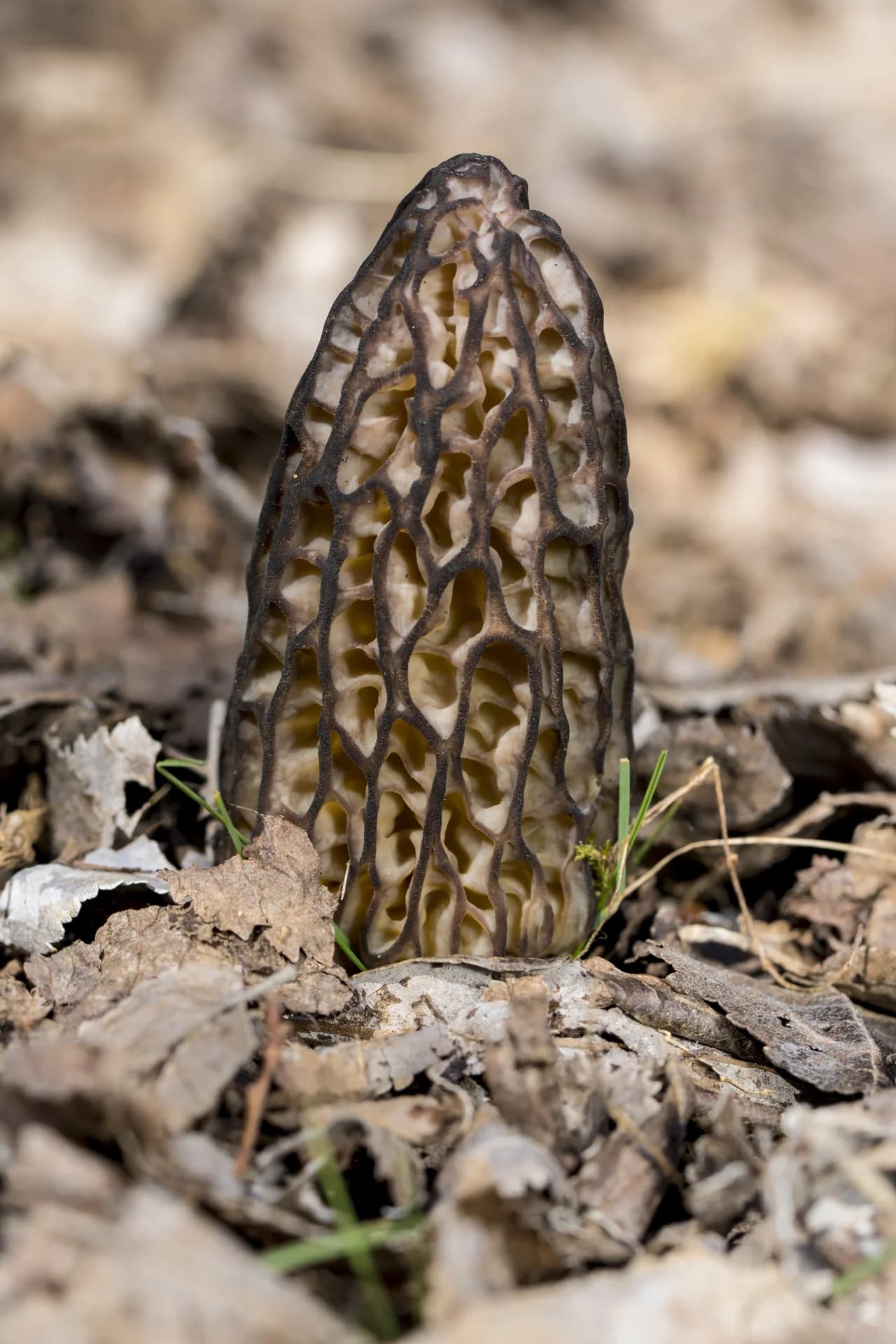
Spring is the season of renewal for foragers, headlined by the most celebrated wild mushroom of all: the colmenilla. Spring foraging begins when soil temperatures climb above 50°F (10°C) and sustain that warmth after spring rains.\n\nSpring species to target:\n\n- colmenillas (Morchella spp.): The undisputed stars of spring. Look near dead olmos, tuliperos, ash trees, and old apple orchards. colmenillas negras appear first, followed by colmenillas amarillas\n- escudo del druida (Cerioporus squamosus): A large polypore that appears on dead frondosas in abril and mayo. Best when young and tender, with a cucumber-watermelon rind aroma\n- setas ostra (Pleurotus ostreatus): Begin fruiting on dead frondosa logs as temperatures warm. A reliable early-season find\n- seta de San Jorge (Calocybe gambosa): In Europe, appears around St. George's Day (abril 23). White, meaty, and excellent eating\n- Spring bejines: Several small bejín species fruit in grasslands and woodland edges during spring\n\nSpring foraging requires patience and persistence. The season is short, typically lasting just 3-5 weeks in any given area. Track soil temperatures with a probe thermometer and plan trips 3-5 days after warm spring rains for the best results.
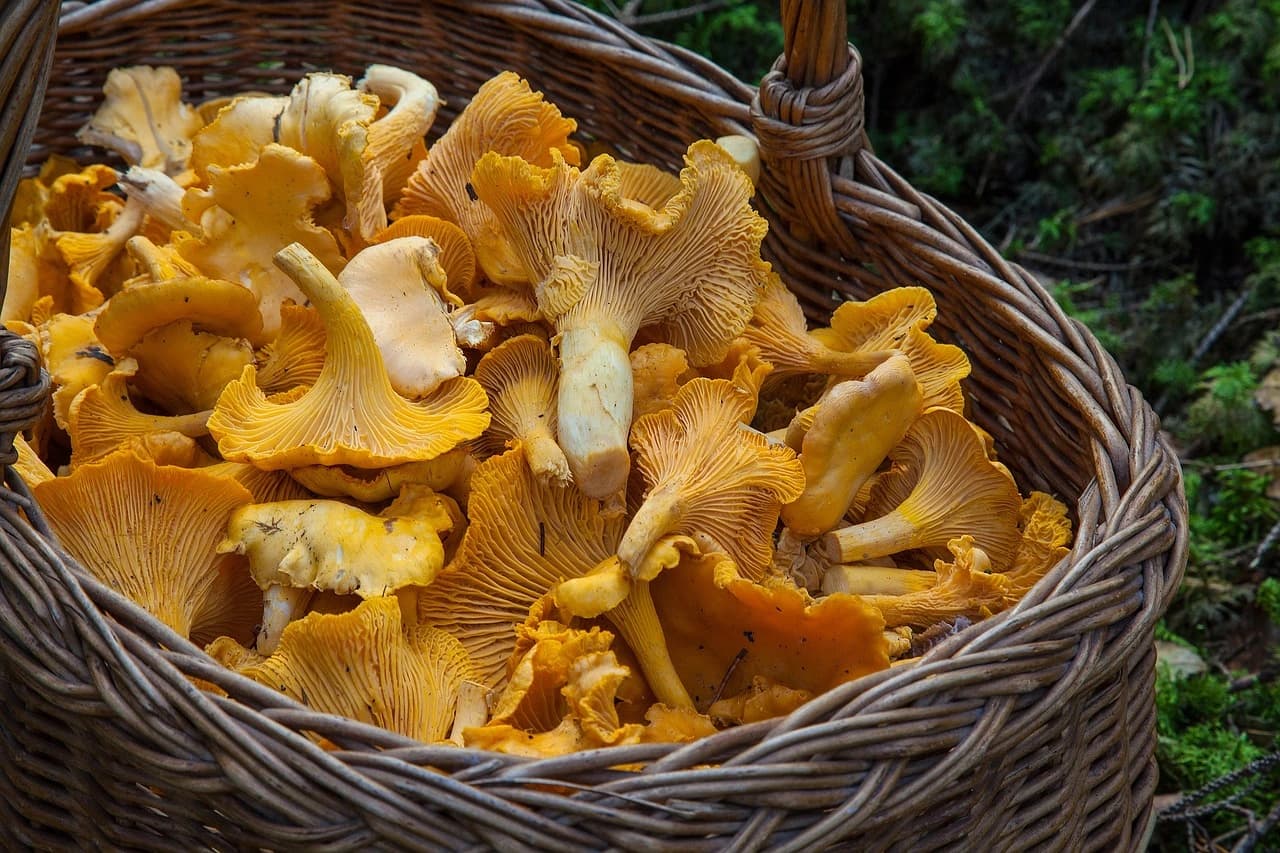
Summer foraging is often underrated, but warm months produce excellent mushrooms, especially in regions with summer rainfall. The key species shift from spring colmenillas to colorful bracket fungi and the first flushes of prized micorrícico species.\n\nSummer species to target:\n\n- rebozuelos (Cantharellus cibarius): Begin appearing in junio in southern regions and continue through agosto. Look under robles and frondosas after summer thunderstorms\n- pollo del bosque (Laetiporus sulphureus): Bright orange-and-yellow brackets appear on robles and other frondosas from late mayo through summer. Best when young and tender\n- trompeta negra (Craterellus cornucopioides): A hidden gem that fruits in midsummer among leaf litter in frondosa forests. Dark color makes them hard to spot\n- Boletes (Boletus, Leccinum spp.): Various edible boletes appear under both frondosas and coníferas during summer rain events\n- seta langosta (Hypomyces lactifluorum): A parasitic fungus that transforms Russula or Lactarius into a firm, red-orange delicacy\n\nSummer's main challenge is heat and insects. Mushrooms deteriorate rapidly in warm weather, and insect larvae infest specimens quickly. Forage early in the morning and process your harvest the same day.
Autumn is the undisputed peak of mushroom foraging season across the temperate world. Cooling temperatures, shorter days, and autumn rains trigger the widest diversity and greatest abundance of edible species all year.\n\nThe fall foraging lineup:\n\n- gallina del bosque (Grifola frondosa): Massive rosettes at the base of robles, septiembre through noviembre. Can weigh 10-50 pounds\n- rebozuelos (Cantharellus spp.): Continue from summer and often produce their best flushes in septiembre and octubre\n- Porcini (Boletus edulis): The king of edible boletes, found under picea and pino in cooler weather. septiembre through octubre in most regions\n- setas de miel (Armillaria mellea): Huge clusters on dead wood and at tree bases. Require cooking — toxic raw\n- bejín gigante (Calvatia gigantea): Football-sized specimens appear in meadows and woodland edges. Edible when the interior is pure white\n- trompetas negras, setas erizo, and matsutake also peak during fall\n\nPlan your fall foraging trips around rain events. The best flushes occur 5-7 days after sustained rainfall when temperatures are between 50-65°F (10-18°C). Many experienced foragers take vacation days during peak fall weeks to maximize their harvest.
Winter foraging is a quieter pursuit, but dedicated foragers can still find excellent species even in cold weather. Several mushrooms are specifically adapted to cold conditions and face virtually no competition from other foragers.\n\nWinter species to target:\n\n- pie aterciopelado (Flammulina velutipes): The wild ancestor of enoki mushrooms. Fruits on dead frondosa even in freezing temperatures, recognizable by its velvety dark brown stem and slimy orange cap\n- setas ostra (Pleurotus ostreatus): Continue fruiting through mild winters and can tolerate frost. Check dead standing haya and poplar trees\n- cola de pavo (Trametes versicolor): While not a culinary mushroom, it is valued for medicinal teas and tinctures and is abundant on dead logs year-round\n- oreja de Judas (Auricularia auricula-judae): Found on elder and other frondosas through winter in mild climates\n- Late fall oyster (Sarcomyxa serotina): Appears in late autumn and persists into early winter on frondosa logs\n\nWinter foraging has a meditative quality. With leaves down, dead standing trees and fallen logs are more visible, making it easier to spot bracket fungi. Frozen mushrooms can still be harvested — they often thaw and resume growing during warm spells.
The best month for rebozuelos depends on your latitude and local climate, but for most of Norteamérica and Europe, the peak window is julio through septiembre, with regional variation of several weeks in either direction.\n\nChanterelle timing by region:\n\n- Pacific Northwest (Oregon, Washington, British Columbia): Late junio through noviembre, with the strongest flushes in septiembre and octubre. The extended wet season creates an exceptionally long rebozuelo season\n- Eastern Norteamérica: julio through septiembre, triggered by summer thunderstorms. Look under robles and mixed frondosas\n- Southeastern United States: junio through agosto, with an earlier start due to warmer soils\n- Northern Europe (Scandinavia, UK): julio through octubre. In Sweden and Finland, rebozuelo season is a cultural event\n- Southern Europe (France, Spain, Italy): septiembre through noviembre, timed with autumn rains after the dry summer\n\nrebozuelos are micorrícico and return to the same spots year after year. Once you find a productive patch, mark it with GPS coordinates and revisit every 1-2 weeks during the season. A single patch can produce multiple flushes over several months. The ideal conditions are 2-3 days after rain when soil is moist but not waterlogged.
colmenillas are famously sensitive to soil temperature, and tracking it is the single best predictor of when they will fruit. colmenillas begin appearing when soil temperatures at a 4-inch depth consistently reach 50-60°F (10-16°C), typically coinciding with daytime air temperatures of 60-70°F and nighttime lows above 40°F.\n\nHow to use soil temperature for colmenilla hunting:\n\n- Buy a soil thermometer (probe-style, available at garden centers for under $15) and check temperatures at a 4-inch depth in the habitats you plan to forage\n- colmenillas negras emerge first, often when soil temps hit 50°F (10°C), in exposed sunny slopes and burn sites\n- colmenillas amarillas follow about 1-2 weeks later, when soils reach 55-60°F (13-16°C), in river bottoms and near dying olmos, ash, and tuliperos\n- The window closes when soil temperatures exceed 62°F (17°C) consistently, usually within 3-5 weeks of the first emergence\n\nMany state and regional forestry services publish soil temperature maps that you can use to track conditions across your area. You can also use online tools like Greencast or local agricultural extension data.\n\nThe combination of soil temperature plus moisture is critical — even at perfect temperatures, colmenillas will not fruit without adequate rainfall in the preceding 1-2 weeks.
Elevation is one of the most powerful tools in a forager's arsenal for extending the mushroom season. As a general rule, the season starts later and ends earlier at higher elevations, giving you the ability to chase species uphill as spring and summer progress.\n\nHow elevation shifts the season:\n\n- Temperature drop: For roughly every 1,000 feet (300 meters) of elevation gain, the average temperature drops about 3.5°F (2°C). This delays the season by approximately 1-2 weeks per 1,000 feet\n- colmenilla strategy: Start hunting colmenillas at low elevations in abril, then follow them uphill through mayo and into junio at mountain elevations. Experienced colmenilla hunters in the Rockies forage from abril at 2,000 feet through julio above 8,000 feet\n- rebozuelo and bolete extension: In mountainous regions, you can find summer rebozuelos at high elevations well into septiembre and octubre\n- Snowmelt timing: At high elevation, the fruiting season often begins 2-4 weeks after snowmelt, when soil moisture is highest\n\nPlan a transect from valley floor to ridgeline to effectively triple your foraging season for species like colmenillas, boletes, and rebozuelos. The same species that finished fruiting weeks ago in the lowlands may just be emerging at higher elevations.
Understanding weather patterns is arguably more important than knowing specific dates for mushroom foraging. The ideal formula for a major mushroom flush is sustained rainfall (1-2 inches over 2-3 days) followed by mild temperatures and high humidity.\n\nThe perfect conditions:\n\n- Rain: A slow, soaking rain is far better than a brief heavy downpour. The soil needs to absorb moisture deeply. Aim for at least 1 inch of rain over 24-48 hours\n- Temperature: Most temperate species fruit best between 50-70°F (10-21°C). A temperature drop of 10-15 degrees after a warm period can trigger massive fruitings\n- Humidity: Sustained humidity above 80% for several days after rain keeps the developing cuerpos fructíferos from drying out\n- Timing: Most species need 3-7 days after a rain event to produce visible mushrooms. Mark your calendar when it rains and plan your trip accordingly\n\nThe \"perfect storm\" for fall mushrooms is a series of cool nights (40-50°F) following warm days (60-70°F) combined with steady rain — this temperature oscillation stimulates many species to fruit simultaneously.\n\nAvoid foraging right after the rain stops. Give mushrooms time to develop. The sweet spot is typically 4-7 days post-rain when conditions have been consistently moist.
Building a personal mushroom calendar for your specific area is the single most valuable long-term investment a forager can make. The best foragers keep detailed records that allow them to predict fruiting within days based on local weather patterns.\n\nHow to build your tracking system:\n\n- Keep a foraging journal: Record the date, species found, location (GPS coordinates), weather conditions for the previous 2 weeks, and the quantity and quality of specimens\n- Track weather data: Use apps like Weather Underground or local agricultural stations to monitor rainfall and temperature. Note total rainfall amounts and average temperatures for the week before each find\n- Use iNaturalist and mushroom observer: These citizen science platforms let you see what other foragers in your region are finding in real time. Filter by location and date to gauge what is currently fruiting\n- Join local sociedades micológicas: Members share trip reports and seasonal observations. Most major cities have active clubs with online forums\n- Photograph your spots across seasons: Revisit productive locations monthly and document what you find, even when nothing is fruiting\n\nAfter 2-3 years of records, clear patterns will emerge. You will be able to say things like \"níscalos appear at my pino spot 10 days after the first 1-inch autumn rain when soil temps hit 55°F\" — that level of precision only comes from systematic tracking.
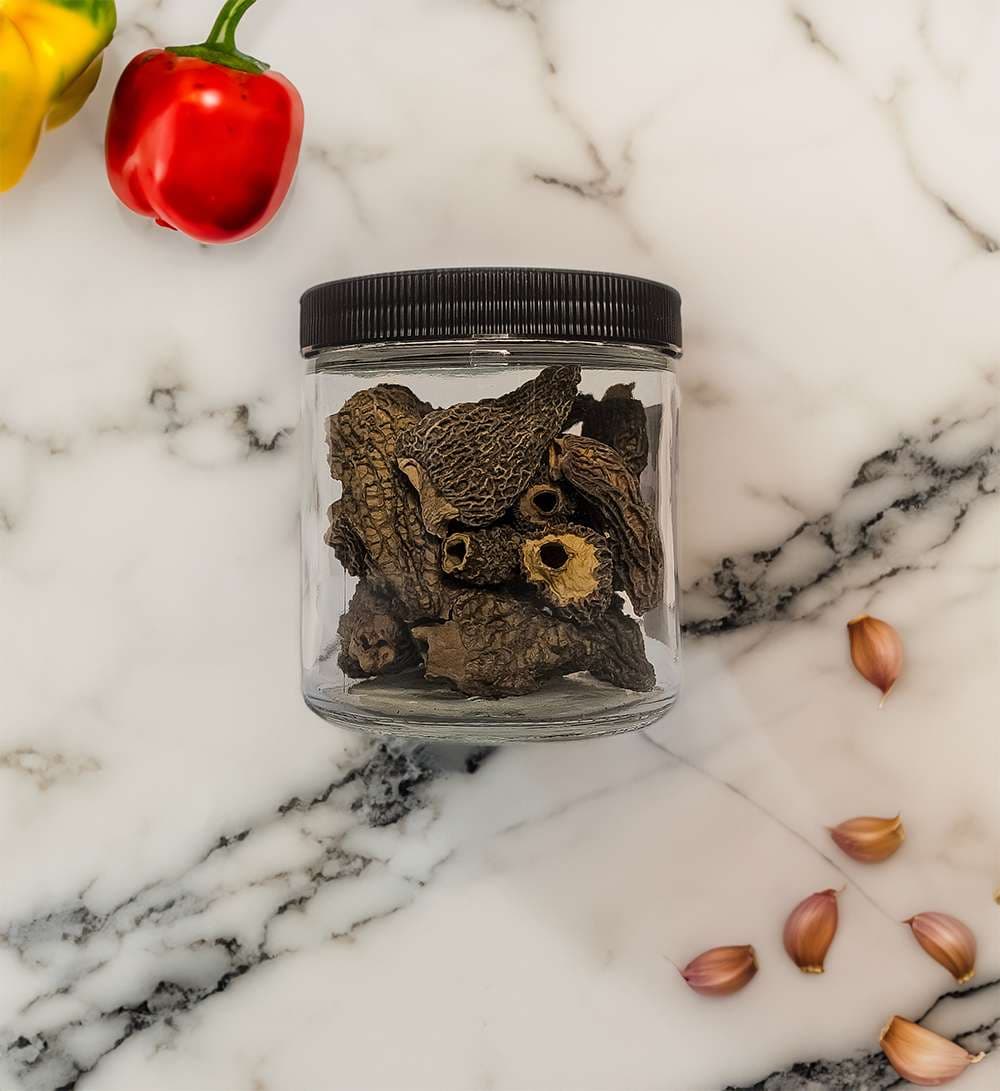
Forest fires create unique ecological conditions that trigger spectacular fruitings of several prized mushroom species. The most famous post-fire mushroom is the colmenilla, which can fruit in extraordinary abundance the spring following a wildfire.\n\nPost-fire species and their timing:\n\n- colmenillas (Morchella spp.): The primary target for post-fire foragers. colmenillas negras and burn-site colmenillas (Morchella tomentosa) can carpet burned forests the first spring after a fire. Yields can be 10-100 times normal levels\n- Pyronema (fire fungus): A bright orange cup fungus that appears on burned soil within weeks of a fire. Not typically eaten but indicates the fire recovery process is underway\n- Pholiota highlandensis (charcoal pholiota): A small brown mushroom that colonizes burned wood and soil. Edibility is debated\n- Geopyxis carbonaria: A tiny cup fungus found on charred ground, often preceding colmenilla emergence\n\nTiming is critical for post-colmenilla de fuego hunting. The best harvest is almost always in the first spring after the fire — yields decline dramatically in subsequent years. Focus on areas with moderate-severity burns rather than areas that were completely incinerated, as the surviving micelio in partially burned soil drives the fruiting.\n\nCheck land access regulations — many post-fire areas require permits for commercial mushroom harvesting.
While most mushroom species have defined seasonal windows, several reliable species can be found throughout the year in temperate climates, making them excellent targets for foragers who want to stay active in every season. The most consistent year-round producers are saprophytic species that decompose dead wood.\n\nYear-round species in temperate climates:\n\n- setas ostra (Pleurotus ostreatus): Fruit on dead frondosa from early spring through late fall, and even during mild winter spells. One of the most cold-tolerant gilled mushrooms\n- cola de pavo (Trametes versicolor): Present on dead logs in every season. Used medicinally rather than culinarily, but always available for harvest\n- oreja de Judas (Auricularia auricula-judae): Found on elder and other frondosa year-round, especially in mild or humid climates\n- yesquero del artista (Ganoderma applanatum): A perennial polypore that grows year-round on dead frondosa trunks\n- políporo del abedul (Fomitopsis betulina): Present on dead abedul trees in all seasons, used for teas and tinctures\n\nThe key to year-round foraging is diversifying your targets. While the choice edibles like rebozuelos and colmenillas are strictly seasonal, wood-decomposing species operate on their own schedule, driven more by moisture than by temperature. Check your favorite dead logs after every significant rain event, regardless of the time of year.
Climate change is measurably altering mushroom fruiting patterns worldwide, and experienced foragers are already noticing the shifts. Research from long-term datasets in Europe shows that autumn fruiting is starting later, spring fruiting is starting earlier, and the overall season is lengthening by 2-4 weeks compared to the 1970s.\n\nObserved and predicted changes:\n\n- Extended fall seasons: Warmer autumn temperatures are pushing the mushroom season later into noviembre and diciembre in regions where it traditionally ended in octubre\n- Earlier spring emergence: colmenillas and other spring species are appearing 1-2 weeks earlier in many regions compared to historical records\n- Range shifts northward and uphill: Species like rebozuelos and porcini are being found at higher latitudes and elevations as their preferred temperature zones migrate\n- Increased drought stress: Hotter summers with less rainfall are creating mid-season gaps where mushrooms stop fruiting for weeks, disrupting traditional foraging calendars\n- New species appearing: Foragers in the UK and northern Europe are reporting species previously found only in southern Europe\n\nPractical advice for adapting: Maintain detailed foraging records to track changes in your area. Be prepared for more variable and less predictable seasons. Flexibility is key — the old rules about specific dates and months are becoming less reliable. Focus instead on weather triggers (rain, temperature drops) rather than calendar dates.
¿Necesitas más ayuda? Dr. Myco puede responder preguntas adicionales sobre especies de recolección por temporada basándose en miles de experiencias reales de cultivo.
Pregunta al Dr. MycoMás en Recolección e Identificación Silvestre
Fundamentos y Seguridad en la Recolección
10 consejos
Especies Comestibles Selectas
12 consejos
Especies Mortales y Tóxicas
14 consejos
Guías Regionales de Recolección
9 consejos
Guía de Identificación Visual
17 consejos
Identificación y Recolección de Chaga
10 consejos
Guía de Recolección de Colmenillas
10 consejos
Variedades de Colmenillas y Rebozuelos
10 consejos
Recolección en Norteamérica por Región
14 consejos
Guía de Recolección en Europa
12 consejos
Recolección en el Hemisferio Sur y Trópicos
10 consejos
Dónde Encontrar Setas Silvestres
15 consejos
Hábitats de Setas y Asociaciones con Árboles
12 consejos
Especies de Rebozuelo por Región
12 consejos
Especies de Colmenilla por Región
12 consejos
Pollo del Bosque y Cola de Pavo por Región
10 consejos
Setas Mortales — Dónde Crecen Realmente
10 consejos
Melena de León, Erizo y Langosta Silvestres
10 consejos
Boletus Edulis, Trompeta Negra y Otras Selectas
10 consejos