Guías Regionales de Recolección
9 consejos en Recolección e Identificación Silvestre
Por Andrew Langevin · Fundador, Nature Lion Inc · Autor colaborador, Mushroomology (Brill, 2026)
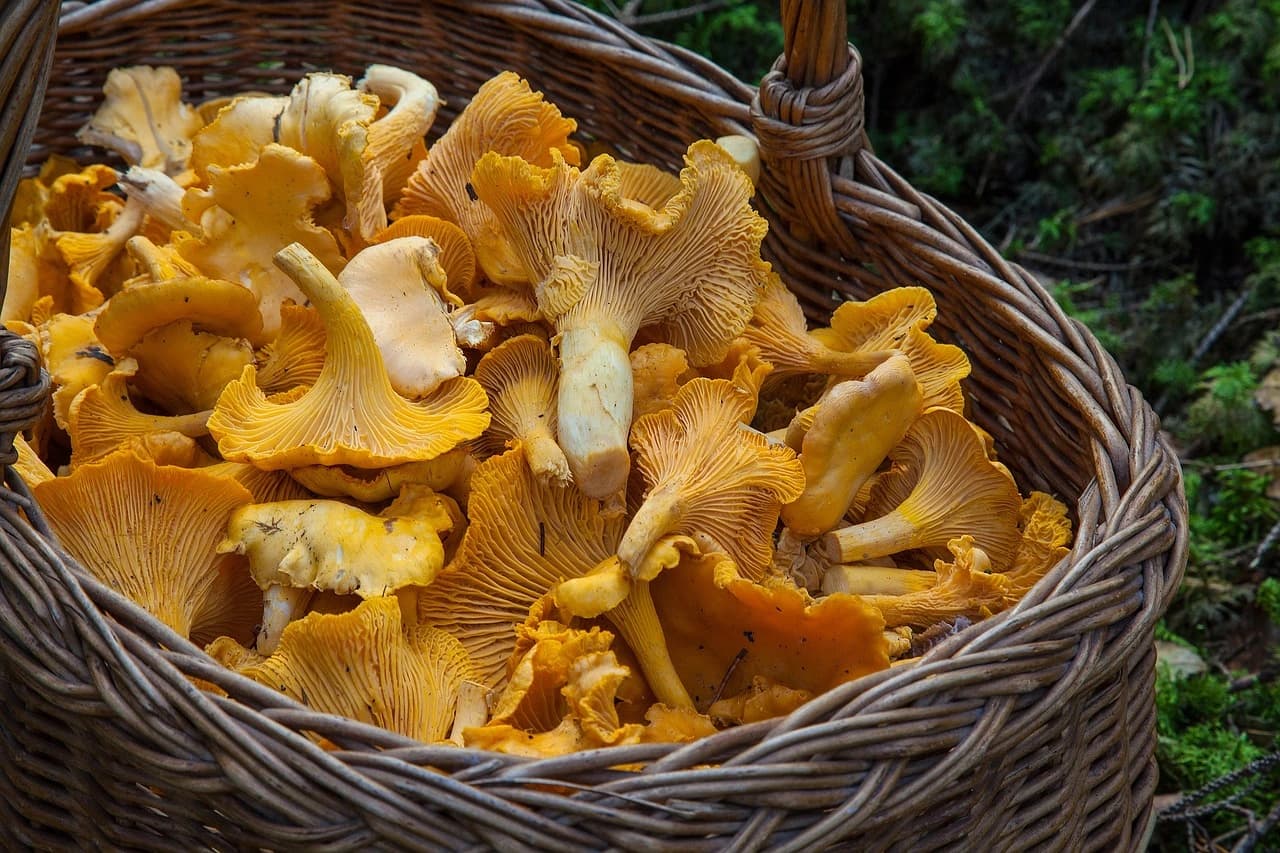
British Columbia is one of the world's premier mushroom foraging destinations, thanks to its vast old-growth forests, temperate rainforest climate, and extraordinary species diversity. The province's varied ecosystems — from coastal rainforest to interior dry forest to alpine — support hundreds of edible species.\n\nTop species by season:\n\n- Spring: colmenillas (especially in wildfire burn areas from the previous year), spring boletus edulis\n- Summer: rebozuelos (beginning in julio), setas langosta, pollo del bosque\n- Fall: pino mushrooms (matsutake), rebozuelos (peak), boletus edulis, setas erizo, seta coliflor\n- Winter: rebozuelos de invierno, setas ostra, pie aterciopelado\n\nBC's commercial mushroom harvest is significant — seta de pino harvesting is a major seasonal industry, particularly in the interior. The Vancouver sociedad micológica and South Vancouver Island sociedad micológica run excellent forays throughout the season. Foraging for personal use is generally permitted on Crown land but restricted in provincial and national parks.
Ontario's diverse forests — from the Carolinian zone in the south to the boreal north — offer excellent foraging opportunities. Southern Ontario's frondosa forests are particularly productive, with roble, arce, and haya supporting a wide variety of edible micorrícico and saprófito species.\n\nTop species by season:\n\n- Spring (abril-junio): colmenillas (colmenillas negras first, then yellow), escudo del druida, setas ostra\n- Summer (junio-agosto): rebozuelos, pollo del bosque, trompeta negra, boletes\n- Fall (septiembre-noviembre): gallina del bosque (maitake), bejín gigante, setas de miel, setas erizo, seta langosta\n- Winter: setas ostra and pie aterciopelado during mild spells\n\nThe sociedad micológica of Toronto is one of Canada's most active, offering regular forays, workshops, and expert identification assistance. Foraging is permitted on most Crown land in Ontario for personal use. Provincial parks generally prohibit collection, and some conservation areas have specific rules — always check before you go.
Quebec's boreal and mixed forests provide outstanding foraging, with a particularly strong tradition of rebozuelo and bolete harvesting influenced by the province's French culinary heritage. The Laurentian forests north of Montreal and Quebec City are prime territory.\n\nTop species by season:\n\n- Spring: colmenillas (especially in the Eastern Townships and Outaouais), setas ostra\n- Summer: rebozuelos (beginning in julio in the Laurentians), setas langosta, trompetas negras, boletes\n- Fall: rebozuelos (peak), gallina del bosque, bejín gigante, setas de miel, setas erizo\n- Winter: Limited — pie aterciopelado and setas ostra in mild periods\n\nQuebec has a more developed wild mushroom market than most of Norteamérica — rebozuelos, boletes, and setas langosta appear at farmers' markets and in restaurants throughout the season. The Cercle des mycologues de Montréal is the province's premier sociedad micológica, offering forays, courses, and an annual mushroom fair. Commercial harvesting on Crown land requires permits from the Ministère des Ressources naturelles.
colmenilla season in Canada generally runs from late abril through junio, progressing from south to north and from low to high elevation as temperatures warm. The season is triggered when soil temperatures reach approximately 10-15°C, typically following spring rains.\n\nRegional timing:\n\n- Southern Ontario and BC coast: Late abril to mid-mayo\n- Quebec and Maritime provinces: Mid-mayo to early junio\n- Prairies: Mid-mayo to junio\n- Northern BC and interior burn areas: junio to mid-julio (colmenillas de fuego can fruit later at elevation)\n\nWhere to focus your search:\n\n- Dead and dying olmo, ash, and álamo trees\n- Old apple orchards\n- Wildfire burn areas from the previous year (BC interior is famous for massive colmenilla de fuego frushes)\n- South-facing slopes and river bottoms\n- Disturbed ground near logging roads\n\nBC's colmenilla de fuego harvest is unique in Canada — commercial pickers travel to previous year's burn areas and can harvest hundreds of pounds. Recreational foragers can also access these areas on Crown land, though competition can be intense in known burn zones.
The Pacific Northwest (Washington, Oregon, and coastal BC) is arguably the best mushroom foraging region in Norteamérica, thanks to its mild, wet climate and vast old-growth conífera forests. The region supports an extraordinary diversity of edible species and has a deep foraging culture.\n\nTop species by season:\n\n- Spring: colmenillas (natural and burn), spring boletus edulis, setas ostra\n- Summer: rebozuelos (beginning late junio), pollo del bosque, setas langosta\n- Fall: rebozuelos (peak), matsutake (pino mushrooms), boletus edulis, hedgehog, seta coliflor, trompetas negras, pie amarillo rebozuelos\n- Winter: pie amarillo rebozuelos, rebozuelos de invierno, setas ostra, pie aterciopelado, setas caramelo\n\nThe PNW matsutake harvest is culturally and economically significant — pickers camp in national forests for weeks during the fall season. The Puget Sound sociedad micológica, Oregon sociedad micológica, and numerous local clubs offer excellent programming. Commercial harvesting permits are available from the USFS, and personal-use foraging is generally permitted in national forests.
The Midwest and Great Lakes region offers excellent foraging, particularly for colmenillas, gallina del bosque, and pollo del bosque. The extensive roble-hickory and haya-arce forests from Minnesota to Ohio support diverse fungal communities, and the region has a strong colmenilla hunting tradition.\n\nTop species by season:\n\n- Spring: colmenillas (the Midwest's signature forage — Michigan, Wisconsin, and Minnesota are hotspots), escudo del druida, setas ostra\n- Summer: pollo del bosque, rebozuelos (scattered), trompetas negras, boletes\n- Fall: gallina del bosque (maitake), bejín gigante, setas de miel, setas erizo, entoloma abortado, pies azules\n- Winter: setas ostra during mild periods, pie aterciopelado\n\nThe Midwest colmenilla culture is intense — state colmenilla festivals, competitive hunting, and closely guarded secret spots are part of the tradition. Michigan, Minnesota, and Wisconsin all claim to be the colmenilla capital of the US. The Minnesota sociedad micológica, Michigan Mushroom Hunters Club, and Illinois micológico Association are active organizations that host forays and workshops throughout the season.
The Northeastern US (New England through the Mid-Atlantic) has productive foraging thanks to its diverse frondosa forests, adequate rainfall, and distinct four-season climate. The region's roble, haya, abedul, and arce forests support excellent micorrícico and saprófito species diversity.\n\nTop species by season:\n\n- Spring: colmenillas (especially in river bottoms and old orchards), escudo del druida, setas ostra\n- Summer: rebozuelos, trompetas negras (the Northeast is particularly good for these), pollo del bosque, boletes, viejo del bosque\n- Fall: gallina del bosque, melena de león (wild), setas de miel, bejín gigante, pies azules, setas erizo\n- Winter: setas ostra, pie aterciopelado, chaga (on abedul)\n\nThe Northeast has some of the oldest sociedades micológicas in Norteamérica — the Boston micológico Club (founded 1895) and the New York sociedad micológica are excellent resources. The Connecticut-Westchester micológico Association, New Jersey micológico Association, and numerous local clubs offer forays. oronjas mortales are increasingly found in the region near imported European robles, so awareness of Amanita phalloides is essential.
European foraging culture is generally more established, legally formalized, and commercially integrated than in Norteamérica. Many European countries have centuries-old traditions of mushroom harvesting, and wild mushrooms are routinely sold in markets and served in restaurants.\n\nKey differences:\n\n- Legal frameworks: Many European countries have specific foraging laws — some (like Norway and Sweden) enshrine a \"right to roam\" that includes mushroom picking, while others (like Germany and Switzerland) set quantity limits or require permits\n- Pharmacies as ID services: In France, Switzerland, and some other countries, pharmacists are trained to identify common edible and toxic mushrooms\n- Species differences: While many genera overlap, specific species differ — the European porcini (Boletus edulis) is the same species, but many Amanita species are different\n- Cultural integration: Wild mushrooms appear routinely in European supermarkets, markets, and restaurant menus\n\nIf you're an experienced Norteamérican forager visiting Europe (or vice versa), don't assume your knowledge transfers completely. Field guides, dangerous species, and even regulations differ significantly. Always use region-specific guides and connect with local sociedades micológicas.
Finding a local sociedad micológica or foraging club is the best investment you can make in your foraging education. The Norteamérican micológico Association (NAMA) maintains a directory of affiliated clubs at namyco.org — this is the best starting point.\n\nHow to find a club:\n\n- Visit namyco.org/clubs for the NAMA club directory\n- Search Facebook for \"sociedad micológica\" or \"mushroom club\" plus your city or state/province\n- Check Meetup.com for local mushroom foraging groups\n- Ask at natural history museums, botanical gardens, or university biology departments\n- Look for postings at outdoor recreation stores and farmers' markets\n\nWhat to expect from membership:\n\n- Guided forays led by experienced identifiers (the core benefit)\n- Workshops on identification, cooking, cultivation, and microscopy\n- Annual mushroom fairs and festivals\n- Access to expert identification help (many clubs have online ID forums)\n- A welcoming community — most clubs actively encourage beginners\n\nAnnual membership fees are typically $20-40 for individuals, with family rates available. Most clubs welcome guests on one or two forays before requiring membership. NAMA also hosts annual and regional forays that draw expert micólogos from across the continent.
¿Necesitas más ayuda? Dr. Myco puede responder preguntas adicionales sobre guías regionales de recolección basándose en miles de experiencias reales de cultivo.
Pregunta al Dr. MycoMás en Recolección e Identificación Silvestre
Fundamentos y Seguridad en la Recolección
10 consejos
Especies Comestibles Selectas
12 consejos
Especies Mortales y Tóxicas
14 consejos
Guía de Identificación Visual
17 consejos
Identificación y Recolección de Chaga
10 consejos
Guía de Recolección de Colmenillas
10 consejos
Variedades de Colmenillas y Rebozuelos
10 consejos
Recolección en Norteamérica por Región
14 consejos
Guía de Recolección en Europa
12 consejos
Recolección en el Hemisferio Sur y Trópicos
10 consejos
Especies de Recolección por Temporada
12 consejos
Dónde Encontrar Setas Silvestres
15 consejos
Hábitats de Setas y Asociaciones con Árboles
12 consejos
Especies de Rebozuelo por Región
12 consejos
Especies de Colmenilla por Región
12 consejos
Pollo del Bosque y Cola de Pavo por Región
10 consejos
Setas Mortales — Dónde Crecen Realmente
10 consejos
Melena de León, Erizo y Langosta Silvestres
10 consejos
Boletus Edulis, Trompeta Negra y Otras Selectas
10 consejos