Fundamentos y Seguridad en la Recolección
10 consejos en Recolección e Identificación Silvestre
Por Andrew Langevin · Fundador, Nature Lion Inc · Autor colaborador, Mushroomology (Brill, 2026)
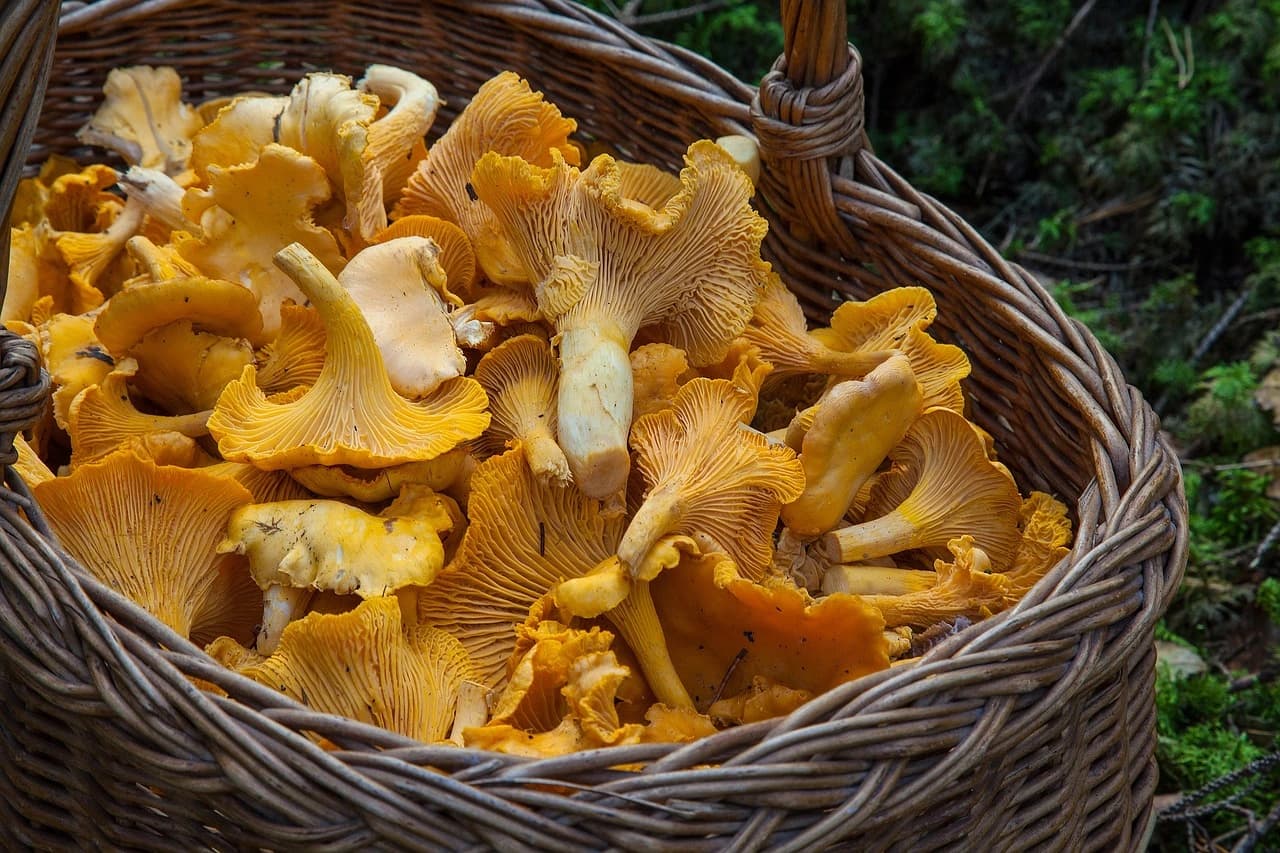
The most important rule is simple: never eat a mushroom you cannot identify with 100% certainty. There is no antidote for many mushroom poisonings, and even experienced foragers have been fatally poisoned by misidentified species.\n\nThe golden rules every forager must follow:\n\n- Never eat a mushroom based on a single identifying feature\n- Always cross-reference with multiple field guides specific to your region\n- Learn the deadly species in your area before learning the edibles\n- When in doubt, throw it out — no meal is worth the risk\n- Start with species that have no dangerous look-alikes (like pollo del bosque or bejín gigante)\n\nCarry a basket (not a plastic bag) to allow spores to spread and prevent mushrooms from sweating. Take notes, photos from multiple angles, and collect the entire specimen including the base for proper identification.
A esporada reveals the color of a mushroom's spores, which is one of the most reliable identification features. Spore color can definitively separate edible species from deadly look-alikes — for example, edible Agaricus species have brown esporadas while the deadly ángel destructor has a white esporada.\n\nTo make a esporada:\n\n- Remove the stem and place the cap gill-side down on a piece of paper (use half white, half black paper to see any color)\n- Cover with a bowl or cup to prevent air currents\n- Wait 4-12 hours (overnight is ideal)\n- Carefully lift the cap to reveal the spore deposit pattern\n\nCommon esporada colors include white, cream, pink, brown, purple-brown, and black. Always note the spore color alongside other features like cap shape, gill attachment, habitat, and smell when building your identification case.
A well-prepared foraging kit makes the difference between a productive outing and a frustrating one. At minimum, bring a basket, a knife, a regional field guide, and your phone for photos.\n\nThe complete foraging kit:\n\n- Wicker basket or mesh bag (allows spores to drop and air to circulate)\n- Sharp folding knife for clean cuts\n- Wax paper bags or sheets to separate species (never use plastic)\n- Regional field guide (Peterson's, Audubon, or a local sociedad micológica publication)\n- Phone or camera for photos from multiple angles\n- Small notebook and pen for recording habitat, substrate, and association trees\n- GPS or trail map\n- Bug spray, rain gear, and sturdy boots\n\nPhotograph every specimen in situ before picking — capture the cap top, gills/pores, stem, base (dig it up carefully), and surrounding habitat. These details are essential if you need expert confirmation later.
Mushroom season varies dramatically by region and species, but the peak foraging windows are spring (colmenillas) and fall (most other species). Mushrooms fruit in response to moisture and temperature changes, so the best times follow rain events during mild weather.\n\nGeneral seasonal guide for temperate Norteamérica:\n\n- Spring (abril-junio): colmenillas, escudo del druida, oysters\n- Summer (junio-agosto): rebozuelos, pollo del bosque, boletes (in some regions)\n- Fall (septiembre-noviembre): The peak season — gallina del bosque, rebozuelos, porcini, trompetas negras, setas de miel, bejines gigantes\n- Winter (diciembre-marzo): pie aterciopelado, setas ostra (mild winters), cola de pavo\n\nThe key trigger for most species is a soaking rain followed by 2-5 days of mild temperatures. Experienced foragers watch the weather forecast and plan trips for 3-7 days after significant rainfall.
Different mushroom species are associated with specific habitats, trees, and substrates. Learning habitat associations is one of the most reliable identification tools — a mushroom growing on a dead roble log narrows your options dramatically compared to one growing in grass.\n\nKey habitats and what you'll find:\n\n- frondosa forests (roble, haya, arce): rebozuelos, gallina del bosque, pollo del bosque, boletes, oysters\n- conífera forests (pino, picea, fir): boletus edulis, matsutake, rebozuelos, setas erizo\n- Dead and dying trees: setas ostra, melena de león, pollo del bosque, setas de miel\n- Grasslands and meadows: bejines gigantes, setas de corro de hadas, champiñones silvestres\n- River bottoms and flood plains: colmenillas (especially near álamo, olmo, and ash)\n\nAlways note what trees are nearby — many mushrooms form micorrícico partnerships with specific tree species, meaning they only grow near those trees.
Responsible foraging ensures that wild mushroom populations remain healthy for future generations. The core ethic is: take only what you will use, leave the rest for wildlife and reproduction.\n\nBest practices for ethical foraging:\n\n- Harvest no more than half of what you find in any given patch\n- Cut mushrooms at the base rather than pulling them up (preserves the micelio and soil structure)\n- Carry your harvest in a mesh bag or basket to allow spores to drop as you walk\n- Stay on trails when possible to minimize habitat disturbance\n- Never rake leaf litter or dig extensively to find mushrooms\n- Share your knowledge and encourage sustainable practices in others\n\nRespect other foragers and their spots. The foraging community generally operates on an honor system — if you find someone's patch, leave it alone. Don't post exact GPS coordinates of productive spots on social media, as this can lead to overharvesting.
Foraging legality varies widely by jurisdiction, land type, and quantity. In many places, personal-quantity foraging is allowed on public land but prohibited in national and provincial/state parks. Always check local regulations before foraging.\n\nGeneral guidelines for Norteamérica:\n\n- National forests (US/Canada): Usually permitted for personal use without a permit\n- National parks: Generally prohibited in both the US and Canada\n- Provincial/state parks: Varies — some allow it, many don't. Check park-specific rules\n- Crown land (Canada): Typically permitted for personal use\n- Private land: Always get written permission from the landowner\n- Municipal parks: Usually prohibited\n\nCommercial harvesting almost always requires a permit and may be restricted to certain areas and seasons. Fines for illegal foraging can be substantial, especially in protected areas. When in doubt, contact the land management agency before your trip.
Joining a sociedad micológica is the single fastest way to become a competent forager. Learning from experienced members in the field teaches you more in one outing than months of book study. Books can show you photos, but experienced foragers teach you smell, texture, habitat context, and the subtle differences that photos can't capture.\n\nBenefits of membership:\n\n- Guided forays with expert identifiers who can confirm your finds on the spot\n- Access to regional species lists and seasonal guides\n- Workshops on spore printing, microscopy, and advanced identification\n- A community of people who share your passion\n- Many societies maintain curated libraries and herbarium collections\n\nMajor organizations include the Norteamérican micológico Association (NAMA), the sociedad micológica of America, and dozens of regional clubs. Most have annual memberships of $20-40 and host regular forays from spring through fall. Search for your nearest club at namyco.org.
Several deadly mushrooms closely resemble popular edible species. These look-alike pairs are responsible for the majority of fatal mushroom poisonings worldwide. Learning these pairs is arguably more important than learning the edibles themselves.\n\nThe most dangerous look-alike pairs:\n\n- oronja mortal (Amanita phalloides) confused with seta de arroz or young bejines\n- ángel destructor (Amanita bisporigera/ocreata) confused with champiñones de botón, bejines, or edible Agaricus\n- galerina mortal (Galerina marginata) confused with setas de miel or magic mushrooms\n- falsa colmenilla (Gyromitra esculenta) confused with colmenillas verdaderas\n- seta de olivo (Omphalotus olearius) confused with rebozuelos\n- lepiota de esporas verdes (Chlorophyllum molybdites) confused with parasol lanudo\n\nThe oronja mortal alone accounts for over 90% of fatal mushroom poisonings globally. Know it, its habitat, and its season in your area before you eat anything you've foraged.
No. Never eat a wild mushroom based solely on an app or AI identification. Current mushroom identification apps have dangerously high error rates, particularly with the most deadly species. Multiple studies have shown that popular apps misidentify deadly species as edible at alarming rates.\n\nWhy apps fail:\n\n- They cannot assess smell, texture, spore color, or chemical reactions — all critical for safe identification\n- Photos can be misleading — lighting, angle, and specimen age dramatically affect appearance\n- Apps lack context about your region, season, habitat, and associated trees\n- They often provide a confidence percentage that gives users a false sense of certainty\n- The most dangerous species (oronja mortal, ángel destructor) are frequently misidentified by apps\n\nApps can be useful as a starting point for generating a list of possibilities, but every identification must be confirmed through multiple traditional methods: field guides, esporadas, chemical tests, and ideally confirmation by an experienced human identifier. The consequences of a wrong ID can be fatal — no app disclaimer will save your life.
¿Necesitas más ayuda? Dr. Myco puede responder preguntas adicionales sobre fundamentos y seguridad en la recolección basándose en miles de experiencias reales de cultivo.
Pregunta al Dr. MycoMás en Recolección e Identificación Silvestre
Especies Comestibles Selectas
12 consejos
Especies Mortales y Tóxicas
14 consejos
Guías Regionales de Recolección
9 consejos
Guía de Identificación Visual
17 consejos
Identificación y Recolección de Chaga
10 consejos
Guía de Recolección de Colmenillas
10 consejos
Variedades de Colmenillas y Rebozuelos
10 consejos
Recolección en Norteamérica por Región
14 consejos
Guía de Recolección en Europa
12 consejos
Recolección en el Hemisferio Sur y Trópicos
10 consejos
Especies de Recolección por Temporada
12 consejos
Dónde Encontrar Setas Silvestres
15 consejos
Hábitats de Setas y Asociaciones con Árboles
12 consejos
Especies de Rebozuelo por Región
12 consejos
Especies de Colmenilla por Región
12 consejos
Pollo del Bosque y Cola de Pavo por Región
10 consejos
Setas Mortales — Dónde Crecen Realmente
10 consejos
Melena de León, Erizo y Langosta Silvestres
10 consejos
Boletus Edulis, Trompeta Negra y Otras Selectas
10 consejos