Mushroom Growing & Foraging in Canada — Your Complete Guide
By Andrew Langevin · Founder, Nature Lion Inc · Contributing author, Mushroomology (Brill, 2026)
Updated May 2026 · 25 min read
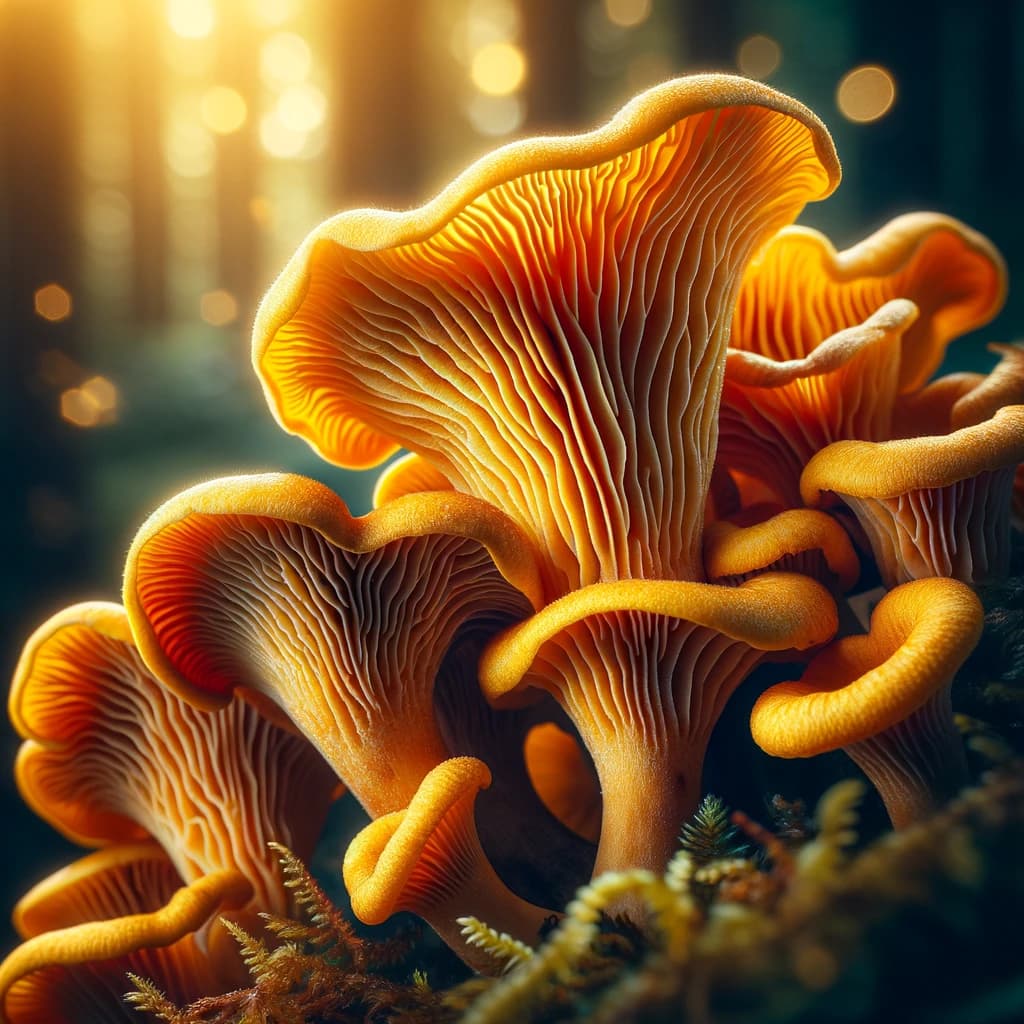
Canada is one of the great mushroom countries on Earth. From the ancient temperate rainforests of British Columbia — where Pacific chanterelles fruit by the tonne — to the vast boreal belt that stretches from Newfoundland to the Yukon, this country harbours an extraordinary diversity of wild fungi. Its hardwood forests, alpine meadows, coastal old growth, and endless birch stands create habitats for thousands of species, many of them choice edibles prized by foragers worldwide.
Canada's cold climate, far from being a limitation, is a genuine advantage for mushroom cultivation. Cool basements, abundant hardwood, and long autumns create ideal conditions for growing gourmet species year-round. As the founder of Nature Lion Inc, a CFIA-licensed mushroom cultivation facility that has served over 50,000 customers, I can speak from direct experience: Canada offers exceptional conditions for both wild foraging and controlled indoor cultivation.
This guide covers everything a Canadian mushroom enthusiast needs: a coast-to-coast foraging calendar, the best wild edible species in each region, dangerous look-alikes to avoid, provincial regulations, cultivation methods optimised for Canadian climates, and an overview of the Canadian mushroom industry. Whether you are a first-time forager on a BC trail or an experienced grower running a basement operation in Montreal, this guide is for you.
The Canadian Foraging Calendar
Canada's foraging season varies dramatically by region. Southern British Columbia and southwestern Ontario enjoy the longest seasons, while the boreal north and prairies have a compressed but often prolific window. The key drivers are moisture and temperature: sustained rain followed by warm days (12–22°C) triggers mass fruitings in forests from coast to coast.
Regional variation is enormous in a country spanning six time zones. The BC coast sees fungi nearly year-round thanks to its mild, wet winters. The prairies have a narrow summer window dominated by morels and puffballs. Ontario and Quebec track a classic temperate pattern with spring morels, summer chanterelles, and a massive autumn flush. The Maritimes and Newfoundland see peak foraging from August through October in their spruce-fir forests. Use our species-by-season guide alongside this calendar for a global perspective.
| Season | Months | Key Species & Regions |
|---|---|---|
| Spring | Apr–Jun | Morels dominate spring foraging. Natural morels (Morchella americana, M. punctipes) fruit under dying elm, ash, and tulip trees in Ontario and Quebec (late Apr–May). Fire morels erupt in BC and Alberta burn areas (May–Jul). Dryad's saddle (Cerioporus squamosus) appears on dead hardwoods. Oyster mushrooms on spring-felled logs. Verpa and early cup fungi in southern regions. |
| Summer | Jun–Aug | Chanterelles begin in Ontario and Quebec (Jul). Chicken of the woods (Laetiporus sulphureus and L. cincinnatus) on hardwoods. Lobster mushroom (Hypomyces lactifluorum) in eastern conifer-hardwood forests. Boletes appear under conifers. Giant puffball (Calvatia gigantea) in meadows and urban lawns. Hen of the woods (Grifola frondosa) begins in late August in southern Ontario. |
| Autumn | Sep–Nov | PEAK SEASON. Pacific chanterelles (Cantharellus formosus) in BC rainforests peak Sep–Nov. Matsutake (Tricholoma murrillianum) in BC and northern Ontario. King bolete (Boletus edulis) under spruce and pine. Hen of the woods and honey mushrooms (Armillaria spp.). Black trumpet (Craterellus fallax) in eastern hardwoods. Hedgehog mushroom (Hydnum repandum). Puffballs, shaggy mane, blewits, and late-season oysters. |
| Winter | Dec–Mar | Chaga (Inonotus obliquus) is best harvested in winter when birch trees are dormant and medicinal compound concentrations peak. Velvet shank (Flammulina velutipes) fruits through freeze-thaw cycles. Late oyster mushrooms on BC coast. Turkey tail (Trametes versicolor) persists year-round. BC's mild coast sees winter chanterelles and hedgehog mushrooms into December. |
Climate change is affecting Canadian foraging patterns. Warmer autumns are extending the season in eastern Canada, while increasingly severe fire seasons in BC and Alberta create new fire morel opportunities — though at a devastating ecological cost. Keep a foraging journal to track local patterns, and consult our foraging basics guide for foundational skills.
Best Edible Wild Mushrooms in Canada
Canada harbours an outstanding diversity of choice edible mushrooms. The following species are the most rewarding and most commonly sought by Canadian foragers. Species marked “beginner” have distinctive features and few dangerous look-alikes. Always cross-reference with our identification guide and a reliable field guide before consuming any wild mushroom.
| Species | Season | Habitat & Region | Difficulty |
|---|---|---|---|
| Morel Morchella spp. | Apr–Jun | Dying elm/ash (east), burn areas (west), cottonwood bottoms (prairies) | Intermediate |
| Pacific chanterelle Cantharellus formosus | Sep–Nov | BC coastal rainforests under Douglas fir, hemlock, spruce | Intermediate |
| Golden chanterelle Cantharellus cibarius | Jul–Sep | Eastern hardwood and mixed forests; beech, oak, birch | Intermediate |
| King bolete / Porcini Boletus edulis | Aug–Oct | Under spruce, pine, and birch across boreal and montane forests | Intermediate |
| Matsutake Tricholoma murrillianum | Sep–Nov | BC interior and coast under jack pine, lodgepole pine, Douglas fir | Advanced |
| Lobster mushroom Hypomyces lactifluorum | Jul–Sep | Eastern conifer-hardwood forests; parasitises Russula and Lactarius | Beginner |
| Chaga Inonotus obliquus | Year-round (best winter) | On living birch trees across the entire boreal zone | Beginner |
| Lion's mane Hericium erinaceus | Aug–Nov | Dead and dying hardwoods — beech, maple, oak — in eastern forests | Beginner |
| Hen of the woods / Maitake Grifola frondosa | Aug–Oct | Base of oak trees in southern Ontario and Quebec | Beginner |
| Hedgehog mushroom Hydnum repandum | Aug–Nov | Mixed and coniferous forests; widespread across southern Canada | Beginner |
| Oyster mushroom Pleurotus ostreatus | Apr–Nov | Dead hardwoods — poplar, birch, maple, beech — coast to coast | Beginner |
| Black trumpet Craterellus fallax | Jul–Sep | Eastern hardwood forests; beech and oak leaf litter on slopes | Intermediate |
| Chicken of the woods Laetiporus sulphureus | Jun–Sep | Living and dead oak, maple, and other hardwoods in eastern Canada | Beginner |
| Giant puffball Calvatia gigantea | Jul–Oct | Meadows, pastures, urban lawns, woodland edges across southern Canada | Beginner |
| Honey mushroom Armillaria spp. | Sep–Nov | Base of living and dead trees in forests nationwide | Advanced |
| Shaggy mane Coprinus comatus | May–Nov | Disturbed ground, lawns, gravel roadsides, parks across Canada | Beginner |
Beginner-friendly speciesare those with highly distinctive features and minimal risk of dangerous confusion: lobster mushroom (bright orange coating, unmistakable), chaga (black conk on birch), lion's mane (cascading white spines), hen of the woods (overlapping grey-brown fans at oak base), hedgehog mushroom (spines instead of gills), oyster mushroom (growing from wood), chicken of the woods (bright orange-yellow brackets), giant puffball (unmistakable size), and shaggy mane (distinctive ink-dissolving cap).
For detailed profiles of each species, explore our choice edible species guide and our species growing guides. For regional chanterelle and morel information, see our chanterelle regional guide and morel regional guide.
Dangerous Mushrooms in Canada — Know Before You Go
Before you learn what to eat, learn what will kill you. Canada hosts several species capable of causing fatal or severe poisoning. Every serious forager must be able to recognise these on sight. Our complete deadly mushrooms guide covers global species in detail; here we focus on the Canadian threats.
Death Cap — Amanita phalloides
The world's deadliest mushroom has established populations in Canada, primarily in British Columbia. Death caps are now found in the Greater Vancouver area, Victoria, and parts of Vancouver Island, growing under imported European trees — particularly hornbeam, English oak, and European beech — in urban parks, boulevards, garden beds, and university campuses. They have also been confirmed near imported trees in Ontario. The olive-green to yellowish-green cap, white gills, sac-like volva at the base, and pendant ring are key identification features. Symptoms of amatoxin poisoning (severe gastrointestinal distress) are delayed 6–12 hours, by which time irreversible liver damage has begun. BC's Centre for Disease Control issues regular public warnings during autumn. Learn more from our deadly species location guide.
Destroying Angel — Amanita bisporigera & Amanita virosa
Pure white, elegant, and equally lethal as the death cap. Unlike the death cap, destroying angels are native to Canada and widespread across both deciduous and mixed forests from the Maritimes to British Columbia. Amanita bisporigera is the primary eastern species, while A. virosa occurs across the country. Contains identical amatoxins. Often mistaken for edible meadow mushrooms, button mushrooms, or puffballs when young and still enclosed in their universal veil. Found in hardwood and mixed forests from July through October.
Deadly Galerina — Galerina marginata
A small, nondescript brown mushroom growing on rotting wood across all of Canada's forested regions. Contains the same amatoxins as death caps and destroying angels. Extremely dangerous because it is frequently mistaken for edible wood-growing species including honey mushrooms and velvet shank. The small ring on the stem and rusty-brown spore print distinguish it from look-alikes. This species is responsible for poisonings among foragers who assume any mushroom on a log is safe.
False Morel — Gyromitra esculenta
Fruits in spring alongside true morels in Canadian conifer and mixed forests, making it a significant risk for morel hunters. The brain-like, irregularly lobed cap (rather than the true morel's honeycomb pits) and chambered rather than hollow interior are the key distinguishing features. Contains gyromitrin, which the body converts to monomethylhydrazine — a rocket fuel component. Causes liver failure and can be fatal. Despite being eaten in some Scandinavian traditions after repeated boiling, false morels should be considered poisonous in Canada and never consumed.
Smith's Amanita — Amanita smithiana
A Pacific Northwest species found in BC's coastal forests that causes severe kidney failure. Particularly dangerous because it has been mistaken for matsutake (Tricholoma murrillianum) — one of the most prized wild mushrooms in BC. Both species grow under conifers in similar habitats, but A. smithianahas a distinct volva, white spore print, and lacks the matsutake's characteristic spicy aroma. Matsutake pickers in BC must learn to distinguish this species or risk kidney dialysis.
Jack O'Lantern — Omphalotus olearius
A bright orange mushroom that grows in clusters at the base of hardwood trees and stumps in eastern Canada. Frequently confused with chanterelles by inexperienced foragers, though jack o'lanterns have true gills (chanterelles have ridges), grow in dense clusters on wood (chanterelles grow singly from soil), and have orange flesh (chanterelles have white flesh). Causes severe gastrointestinal distress but is not typically fatal. The gills glow faintly in the dark — a memorable identification feature.
If you suspect mushroom poisoning: call 911 or your provincial Poison Control Centre immediately. In BC, call 604-682-5050 or 1-800-567-8911. In Ontario, call 1-800-268-9017. Save all remaining mushroom material, including cooking scraps, for identification. Do not wait for symptoms to worsen.
Where to Forage in Canada
Canada's vast and varied landscapes create distinct foraging ecosystems from coast to coast. The best foraging happens in mature forests with established mycorrhizal partnerships between trees and fungi — old-growth and mature second-growth forests far outperform young plantations.
British Columbia — Coastal Rainforests
BC's coastal temperate rainforests are among the most productive mushroom habitats on Earth. The combination of mild temperatures, abundant rainfall, and ancient conifer forests creates extraordinary fruiting conditions from September through December. The Pacific chanterelle harvest alone is worth millions of dollars annually, with commercial pickers supplying markets in Vancouver, across Canada, and overseas. Vancouver Island, the Sunshine Coast, and the Haida Gwaii archipelagoare legendary chanterelle territories. Matsutake, hedgehog mushrooms, lobster mushrooms, and pine mushrooms all thrive in BC's diverse forest ecosystems.
Rocky Mountain Burn Areas — Fire Morels
The spring following a major forest fire in BC, Alberta, or the Northwest Territories can produce astonishing quantities of fire morels. These morels fruit prolifically in burned conifer forests, often carpeting the forest floor. Commercial pickers travel from across North America to harvest fire morels in the BC interior, creating a transient industry worth millions in good years. Fire morel season runs from May through July depending on elevation and snowmelt. Access can be challenging — check with the BC Wildfire Service for area closures and road conditions.
Ontario — Hardwood Forests
Southern Ontario's Carolinian forests and the Canadian Shield's mixed hardwood-conifer forests offer excellent foraging. The Haliburton Highlands, Algonquin Park region (outside the park itself), and Bruce Peninsula are popular destinations. Morels fruit near dying elm and ash trees in spring. Summer brings chanterelles, lobster mushrooms, and chicken of the woods. Autumn delivers hen of the woods at the base of old oaks, honey mushrooms, and boletes. Crown land in northern Ontario offers vast, unpressured foraging territory.
Quebec — Sugar Bush and Boreal Forest
Quebec's sugar maple forests — the same woodlands tapped for maple syrup — are outstanding mushroom habitat. The Laurentians, Eastern Townships, and Charlevoix region produce chanterelles, boletes, lobster mushrooms, and hedgehog mushrooms in abundance. Quebec has a strong foraging culture, with several commercial operations and guided foraging tours. The boreal zone north of the St. Lawrence produces chaga, chanterelles, and boletes under spruce and birch.
Maritime Provinces — Spruce-Fir Forests
Nova Scotia, New Brunswick, and Prince Edward Island offer productive foraging in their Acadian forests. Chanterelles and hedgehog mushrooms fruit in mixed forests from August through October. The Maritimes are particularly good for lobster mushrooms, which thrive in the spruce-fir-birch forests common to the region. Chaga is abundant on birch trees across all three provinces. Newfoundland's boreal forests produce boletes, chanterelles, and excellent chaga harvesting.
Prairies — River Bottoms and Aspen Parkland
While the open prairies offer less forest foraging, Manitoba, Saskatchewan, and Alberta have productive pockets. Morels fruit in cottonwood and aspen groves along river bottoms. Giant puffballs appear in meadows and pastures. Shaggy mane is common on disturbed ground near towns. The aspen parkland zone produces oyster mushrooms on poplar, and the boreal fringe to the north offers the same species found across the shield. The Rocky Mountain foothills in Alberta are excellent for boletes, chanterelles, and pine mushrooms.
Boreal Zone — Coast to Coast
Canada's boreal forest is the largest intact forest ecosystem on Earth, spanning from Newfoundland to the Yukon. While access is challenging, the boreal zone produces exceptional quantities of chaga, chanterelles (under birch and spruce), boletes, and hedgehog mushrooms. The short but intense growing season — typically July through September — can produce massive fruitings when conditions align. Northern foragers benefit from minimal competition and vast, unpicked territory.
Important: always respect Indigenous rights and title. Many foraging areas are on traditional territories of First Nations, Metis, and Inuit peoples. Obtain appropriate permissions, respect cultural protocols, and never harvest culturally significant species without consultation. See our North American foraging guide for a continental perspective.
Provincial Foraging Regulations
Foraging regulations in Canada are set at the provincial and territorial level, with federal rules applying to national parks. Understanding the legal framework is essential for responsible foraging.
National Parks — Canada National Parks Act
All foraging is prohibitedin Canada's national parks under the Canada National Parks Act. This includes picking mushrooms, berries, and any other natural materials. Violation can result in fines of up to $25,000. This applies to all 48 national parks, from Pacific Rim to Gros Morne. Foraging near — but outside — park boundaries is permitted where provincial rules allow.
British Columbia
Personal-use foraging on Crown land is generally permitted without a permit. Commercial harvesting of non-timber forest products (including mushrooms) requires a licence from the Ministry of Forests. BC provincial parks generally allow personal foraging. The commercial chanterelle and matsutake harvests are significant industries, but commercial pickers need appropriate tenures. Some areas have voluntary harvesting guidelines developed in collaboration with First Nations.
Ontario
Personal foraging is permitted on Crown land (which covers 87% of the province, mostly in the north). Ontario provincial parks generally prohibit foraging unless specifically permitted by the park superintendent. Conservation areas have their own rules — check with the local conservation authority. Commercial harvesting on Crown land may require a forest resource licence.
Quebec
Personal foraging is permitted on public land (terres publiques). Foraging in Quebec national parks (SEPAQ) is generally prohibited unless specifically allowed. Commercial mushroom harvesting is regulated under the Forest Act and may require permits from the Ministry of Forests, Wildlife and Parks (Ministere des Forets, de la Faune et des Parcs). Quebec has a growing commercial foraging industry with organized harvesting cooperatives.
Alberta, Manitoba & Saskatchewan
Personal-use foraging is generally permitted on Crown land across the prairie provinces. Alberta's provincial parks allow personal-quantity mushroom picking in most cases. Commercial harvesting on Crown land typically requires a permit or disposition. In Alberta, the fire morel harvest in burn areas can be regulated through area closures — check with Alberta Forestry and Parks.
Maritime Provinces & Newfoundland
Nova Scotia, New Brunswick, Prince Edward Island, and Newfoundland and Labrador generally permit personal-use foraging on Crown land. Provincial parks have varying rules — some allow personal picking, others restrict it. Commercial harvesting, particularly of chaga, is increasingly subject to regulation as demand grows. Always check with provincial departments of natural resources for current rules.
Indigenous & Treaty Lands
First Nations, Metis, and Inuit peoples hold constitutionally protected harvesting rights under Section 35 of the Constitution Act, 1982. These rights take priority. Foraging on reserve land requires permission from the band council. Many treaty areas include specific harvesting provisions. Respect traditional ecological knowledge and cultural protocols. When foraging in traditional territories, consider reaching out to local First Nations communities for guidance and permission.
Growing Mushrooms in Canada
Canada's climate is far better for mushroom cultivation than most people realise. While the long winters might seem like a disadvantage, they actually create ideal conditions for indoor growing — and the cool, moist autumns and springs are perfect for outdoor cultivation. As someone who operates a CFIA-licensed facility here in Canada, I can confirm that our climate's natural temperature range aligns remarkably well with what most gourmet mushroom species prefer.
Why Canada's climate is excellent for cultivation:
- Cool basements are natural fruiting chambers.Canadian basements typically sit at 12–18°C year-round — precisely the ideal fruiting temperature for oyster mushrooms, shiitake, and lion's mane. No air conditioning needed in summer, minimal heating in winter.
- Abundant hardwood supply. Canada's forests provide excellent log cultivation substrates. Sugar maple, red oak, ironwood, and yellow birch are all outstanding species for shiitake and oyster log cultivation. Eastern Canada's hardwood forests are among the best in North America for this purpose.
- Cold winters benefit log growers.The freeze-thaw cycles that Canadian logs endure actually improve fruiting performance. Cold-shocking — exposing colonised logs to cold temperatures — triggers robust fruiting flushes. Canadian winters provide this naturally.
- Long growing season for indoor cultivation. Because indoor temperatures in Canadian homes remain stable year-round, you can grow mushrooms twelve months a year with a simple monotub, Martha tent, or small-space setup. No seasonal limitations.
- Straw and wood pellets are cheap and abundant. Agricultural straw from prairie farms and hardwood pellets (sold as heating fuel and animal bedding) are inexpensive and widely available, making substrate preparation affordable. A bale of wheat straw costs $5–$10 and produces several kilograms of oyster mushrooms.
Best Species for Canadian Growers
- Blue oyster mushroom (Pleurotus ostreatus var. columbinus) — Exceptionally cold-tolerant, fruits at 10–18°C. The ideal beginner species for Canadian cultivation. Grows on straw, hardwood pellets, coffee grounds, or logs. See our oyster growing guide.
- Shiitake (Lentinula edodes) — Thrives on Canadian hardwood logs. Sugar maple + shiitake is the classic Canadian combination, producing reliably for 4–8 years per log. Cold-shocking by immersing colonised logs in cold water (or simply letting winter do the work) triggers excellent flushes. Our shiitake guide covers the full process.
- Lion's mane (Hericium erinaceus) — Fruits at 15–20°C on supplemented hardwood sawdust blocks. Grows well indoors in Canadian basements. A native Canadian species found wild on beech and maple, so locally sourced cultures are well-adapted to our conditions.
- Wine cap (Stropharia rugosoannulata) — The ultimate outdoor garden mushroom for Canada. Hardy to zone 3, thrives in hardwood chip beds from May through October. Inoculate in spring, harvest huge burgundy-capped mushrooms by midsummer. Produces for 3–5 years with an annual top-dressing of fresh chips.
- Pink oyster (Pleurotus djamor) — A warm-season option that fruits at 18–30°C, perfect for summer indoor growing when Canadian homes are warmer. Strikingly beautiful with vibrant pink colour and a meaty texture. Fast-growing — harvest in 5–7 days from pinning.
For a complete introduction to mushroom cultivation, visit our getting started guide or explore our comprehensive growing guide.
Best Growing Methods for Canadian Climates
These cultivation methods are particularly well-suited to Canadian homes, garages, basements, and backyards. Each has been proven in our climate and can be started with minimal investment.
Bucket Tek — The Canadian Favourite
The simplest and cheapest method to start growing mushrooms in Canada. Chop wheat or barley straw, pasteurise it with hot water in a 20-litre bucket, drain, mix with oyster mushroom grain spawn, and pack the inoculated straw back into the bucket with holes drilled for fruiting. Place in a garage, basement, or sheltered outdoor spot. One bucket produces 1–2 kg of oyster mushrooms over 2–3 flushes. Straw from prairie farms costs almost nothing, and grain spawn is available from several Canadian suppliers. Full instructions in our complete bucket tek guide.
Monotub — Basement Powerhouse
A monotub is a modified plastic storage tote that creates a self-regulating fruiting chamber. Fill with colonised substrate (hardwood pellets + soy hull mix is a popular Canadian formulation), set in your basement, and harvest. Canadian basements are ideal — the naturally cool, stable temperatures eliminate the overheating problems that plague growers in warmer climates. A single monotub can produce 1–3 kg per flush, with 3–5 flushes per substrate load.
Log Inoculation — Eastern Canadian Specialty
Log cultivation is a natural fit for eastern Canada, where sugar maple, red oak, yellow birch, and ironwood are abundant. The ideal timing for log inoculation is April through May, after the ground thaws but before leaves fully emerge. Cut fresh logs 10–15 cm in diameter and 90–120 cm long, drill holes every 15 cm, insert dowel or sawdust spawn, seal with food-grade wax, and stack in a shaded, moist location. Logs typically take 12–18 months to colonise before the first fruiting. Once producing, a log fruits 2–3 times per year for 4–8 years. The Canadian winter cold-shock cycle naturally stimulates fruiting in spring. See our log growing guide for detailed instructions.
Outdoor Wine Cap Beds
Stropharia rugosoannulatais the perfect no-fuss outdoor mushroom for Canadian gardens. Spread 10–15 cm of fresh hardwood chips (maple, birch, poplar) in a shaded garden bed, mix in grain spawn at 10% by volume, water thoroughly, and leave. The mycelium colonises through summer, and enormous burgundy-capped mushrooms appear from June through October. Wine caps survive Canadian winters (down to zone 3) and return year after year. Top-dress with fresh chips annually to keep the bed productive. This is the lowest-maintenance method of growing gourmet mushrooms in Canada. Learn more in our common varieties guide.
Martha Tent — Year-Round Indoor Fruiting
A Martha tent (a wire shelving unit enclosed in a clear plastic tent with a small ultrasonic humidifier) is the step up from a monotub. It provides higher capacity and better control for serious home growers. Set up in a basement corner, a Martha tent can hold 8–12 fruiting blocks at a time, producing 3–8 kg per week of oyster, lion's mane, or shiitake. The total setup cost is approximately $150–$250 CAD. Canadian basement temperatures keep the tent naturally cool, and a small exhaust fan manages fresh air exchange.
Garage Growing — Winter Advantage
An attached or insulated garage in Canada typically maintains temperatures of 5–15°C in winter — cold enough to keep contamination rates very low, but warm enough for cold-tolerant species like blue oyster and enoki to fruit. Many Canadian growers use their garages as a seasonal growing space from October through April, when the cool, stable conditions create nearly sterile conditions naturally. Good contamination prevention is still important, but the cold gives you a significant advantage.
Whichever method you choose, our essential equipment list covers everything you need to get started, and our growing calculators help with substrate ratios, yield estimates, and hydration calculations.
The Canadian Mushroom Industry
Canada has a thriving and growing mushroom industry, spanning large-scale commercial cultivation, wild harvesting, and a rapidly expanding artisan/craft grower sector. Understanding the industry landscape helps aspiring commercial growers position themselves effectively.
Commercial Cultivation
Canada produces over 120,000 tonnes of cultivated mushrooms annually, with the majority being white button mushrooms (Agaricus bisporus) grown in large facilities in Ontario, BC, and Alberta. However, the gourmet and specialty mushroom sector is growing rapidly. Small-scale operations producing oyster, shiitake, lion's mane, and other gourmet species are emerging across the country, supplying restaurants, farmers markets, and health food stores. The demand for locally grown gourmet mushrooms far exceeds supply in most Canadian cities, creating genuine opportunity for new growers.
CFIA Licensing & Food Safety
The Canadian Food Inspection Agency (CFIA) regulates mushroom production under the Safe Food for Canadians Act (SFCA) and its regulations. If you plan to sell mushrooms interprovincially or internationally, you need a Safe Food for Canadians licence. For sales within your province only, provincial food safety regulations apply. Farmers market sales have simplified requirements in most provinces, but you must still comply with labelling, traceability, and food safety controls. As a CFIA-licensed facility operator, I can attest that the licensing process, while thorough, is navigable for serious growers committed to food safety.
Spawn Suppliers
Several Canadian companies produce high-quality spawn for home and commercial growers. Look for suppliers who culture their own strains rather than importing — locally adapted cultures perform better in Canadian conditions. Spawn is available as grain spawn, dowel spawn, sawdust spawn, and ready-to-fruit blocks. Most Canadian suppliers ship nationwide. Support Canadian spawn producers to build domestic mycological capacity and ensure cultures suited to our climate.
Farmers Markets & Direct Sales
Farmers markets are the primary sales channel for small-scale Canadian mushroom growers. Gourmet mushrooms command premium prices: oyster mushrooms typically sell for $18–$28/kg, lion's mane for $30–$45/kg, and shiitake for $25–$40/kg at Canadian markets. The key to success is consistency of supply — market customers return weekly for products they can rely on. Many successful growers also supply local restaurants, independent grocers, and community-supported agriculture (CSA) programmes.
Wild Harvest Industry
British Columbia's wild mushroom harvest is a multi-million dollar industry. Pacific chanterelles, matsutake (pine mushrooms), and morels are harvested commercially and exported to Europe, Japan, and across North America. The industry employs thousands of seasonal pickers, many of them from immigrant communities with deep foraging traditions. Commercial wild-harvesting requires appropriate licences and must comply with provincial regulations and, increasingly, with First Nations resource-sharing agreements.
Mycological Societies & Resources
Canada has active mycological societies in every major region. The Vancouver Mycological Society, the Mycological Society of Toronto, the Cercle des Mycologues de Montreal, and dozens of other groups organise forays, workshops, and identification sessions. These societies are invaluable for learning identification skills from experienced mentors. Many universities, including UBC, University of Toronto, and Universite Laval, have active mycological research programmes.
Frequently Asked Questions
Is mushroom foraging legal in Canada?
Mushroom foraging for personal use is generally legal on Crown land across most Canadian provinces, though specific regulations vary by province and territory. In British Columbia, personal-use foraging is permitted on most Crown land without a permit, but commercial harvesting of non-timber forest products requires a licence from the Ministry of Forests. In Ontario, foraging is allowed in provincial Crown forests but prohibited in most provincial parks without a permit. Quebec permits personal foraging on public land but regulates commercial harvesting. Always check provincial regulations and respect Indigenous rights and title, especially in unceded territories. National parks prohibit all foraging under the Canada National Parks Act.
When is the best time to find morels in Canada?
Morel season in Canada typically runs from late April through June, depending on your region and elevation. In British Columbia, fire morels (Morchella species that fruit prolifically after forest fires) appear from May through July in previous-year burn areas, often at higher elevations. In Ontario and Quebec, natural morels fruit beneath dying elm, ash, and tulip trees from late April through May, with peak season around mid-May when soil temperatures reach 10-15 degrees Celsius. On the prairies, morels appear along river bottoms and in cottonwood groves from mid-May to early June. The Maritime provinces see morels from late May into June. Track soil temperature rather than calendar dates — morels fruit when the ground reaches approximately 12 degrees Celsius at a depth of 10 cm.
Can you grow mushrooms in a Canadian basement?
Canadian basements are outstanding mushroom growing environments. The naturally cool, stable temperatures of an underground space — typically 12-18 degrees Celsius year-round — are ideal for most gourmet species including oyster mushrooms, shiitake, and lion's mane. The consistent temperature eliminates the need for expensive cooling equipment in summer and reduces heating costs in winter. Humidity can be maintained with a simple ultrasonic humidifier or by misting. Many successful Canadian growers run productive operations in a 3-by-3-metre corner of their basement, producing 2-5 kilograms of gourmet mushrooms per week. Good ventilation is essential — install a small exhaust fan to manage carbon dioxide levels and prevent stale air. See our monotub and Martha tent guides for detailed setup instructions.
What is the most dangerous mushroom in Canada?
The death cap (Amanita phalloides) is the most dangerous mushroom found in Canada and is responsible for over 90 per cent of fatal mushroom poisonings worldwide. Originally a European species, death caps have become established in British Columbia — particularly in the Greater Vancouver area and southern Vancouver Island — where they grow under imported European oak, hornbeam, and beech trees in urban parks, boulevards, and gardens. They have also been found in Ontario near imported trees. Death caps contain amatoxins that cause irreversible liver and kidney failure, with symptoms delayed 6-12 hours after ingestion. The destroying angel (Amanita virosa and Amanita bisporigera) is equally lethal and more widespread across Canadian forests, growing in both coniferous and deciduous woodland from coast to coast.
Where can I forage chanterelles in Canada?
Canada offers world-class chanterelle foraging, particularly in British Columbia. The Pacific chanterelle (Cantharellus formosus) fruits abundantly in BC's coastal rainforests from September through November, often in massive quantities under Douglas fir, western hemlock, and Sitka spruce. BC is one of the largest wild chanterelle exporters in the world. In Ontario and Quebec, the golden chanterelle (Cantharellus cibarius) appears in hardwood and mixed forests from July through September, favouring beech, oak, and birch associations. The Maritime provinces produce chanterelles in spruce-fir forests from August through October. Look for mossy, well-drained slopes with mature trees and consistent moisture. Chanterelles are mycorrhizal — they only grow in partnership with living trees, so old-growth and mature second-growth forests are the most productive sites.
Do I need a licence to sell cultivated mushrooms in Canada?
Selling cultivated mushrooms in Canada requires compliance with both federal and provincial food safety regulations. At the federal level, the Canadian Food Inspection Agency (CFIA) regulates mushroom production under the Safe Food for Canadians Regulations. You need a Safe Food for Canadians licence if you are trading interprovincially or internationally. For sales within your province, provincial food safety regulations apply — requirements vary but typically include a food premises licence or registration from your provincial health authority. Farmers market sales may have simplified requirements depending on the province. In Ontario, for example, you need to register with the local public health unit. British Columbia requires a food processing licence for value-added products. If you are growing and selling fresh whole mushrooms at a local farmers market, requirements are generally less stringent than for processed or packaged products.
Is chaga sustainable to harvest in Canada?
Chaga (Inonotus obliquus) sustainability depends entirely on harvesting practices. Chaga grows on living birch trees across the Canadian boreal forest — a vast range spanning from Newfoundland to the Yukon. However, chaga takes 5-20 years to form a harvestable conk, and overharvesting has depleted populations in accessible areas near roads and trails, particularly in Ontario and Quebec. Sustainable harvesting means never taking more than one-third of the visible conk, leaving the base attached to the tree so the fungus can regenerate. Never harvest chaga from dead trees — the medicinal compounds are only produced while the birch host is alive. Avoid harvesting from trees smaller than 25 cm in diameter. Some provinces are considering commercial harvesting regulations. For reliable supply, consider purchasing from sustainable wild-harvesters or exploring chaga cultivation research, which is advancing rapidly.
What mushrooms can I grow outdoors in Canada?
Several species thrive outdoors in the Canadian climate. Wine cap mushrooms (Stropharia rugosoannulata) are exceptionally cold-hardy and grow vigorously in hardwood chip beds from late spring through autumn across zones 3-8 — covering most of populated Canada. Oyster mushrooms grow readily on hardwood logs, stumps, and straw bales outdoors from spring through fall. Shiitake on sugar maple, oak, or ironwood logs is a proven technique in eastern Canada, with logs producing for 4-8 years after inoculation in spring. Nameko (Pholiota nameko) tolerates cold well and fruits on hardwood logs. Lion's mane can be grown on logs in sheltered locations. For the least effort, wine cap beds and log cultivation are the best choices — once established, they produce year after year with minimal maintenance. Inoculate logs in spring (April-May) when temperatures are consistently above 10 degrees Celsius.
Got a Question About Canadian Mushrooms?
Whether you have found something unusual on a forest trail or need help troubleshooting your grow, Dr. Myco is our AI mycology assistant trained on decades of identification knowledge and verified Mushroom Observer data. Describe what you have found — habitat, cap shape, gill structure, spore print colour — and get expert guidance in seconds. Remember: never eat a wild mushroom based solely on an AI identification. Use Dr. Myco as a starting point, then confirm with field guides and experienced foragers.
Ask Dr. MycoAbout the Author
Andrew Langevin is the founder of Nature Lion Inc, a CFIA-licensed mushroom cultivation facility based in Canada that has served over 50,000 customers. He is a contributing author of Mushroomology (Brill, 2026), one of the most comprehensive academic references on applied mycology. His content draws on verified Mushroom Observer data covering 5,700+ species and a knowledge base of 32,000+ community knowledge chunks spanning decades of field experience. As a Canadian mushroom grower and CFIA licence holder, Andrew brings first-hand expertise to every aspect of Canadian mushroom cultivation and foraging covered in this guide.
Read full bio →Continue Learning
Regional Foraging Guide
Foraging tips for every region worldwide
North American Foraging
US and Canada foraging overview
Morel Hunting Guide
Finding morels across North America
Chanterelle Guide
Chanterelle species and regional tips
Deadly & Toxic Mushrooms
Species that can kill or harm you
Choice Edible Species
Detailed profiles of the best wild edibles
How to Grow Mushrooms
Complete growing guide for beginners
Log Cultivation
Growing shiitake and oyster on logs
Oyster Mushroom Guide
The ideal beginner species for Canadian growers