Mushroom Growing in Southeast Asia — Tropical Cultivation Guide
By Andrew Langevin · Founder, Nature Lion Inc · Contributing author, Mushroomology (Brill, 2026)
Updated May 2026 · 25 min read
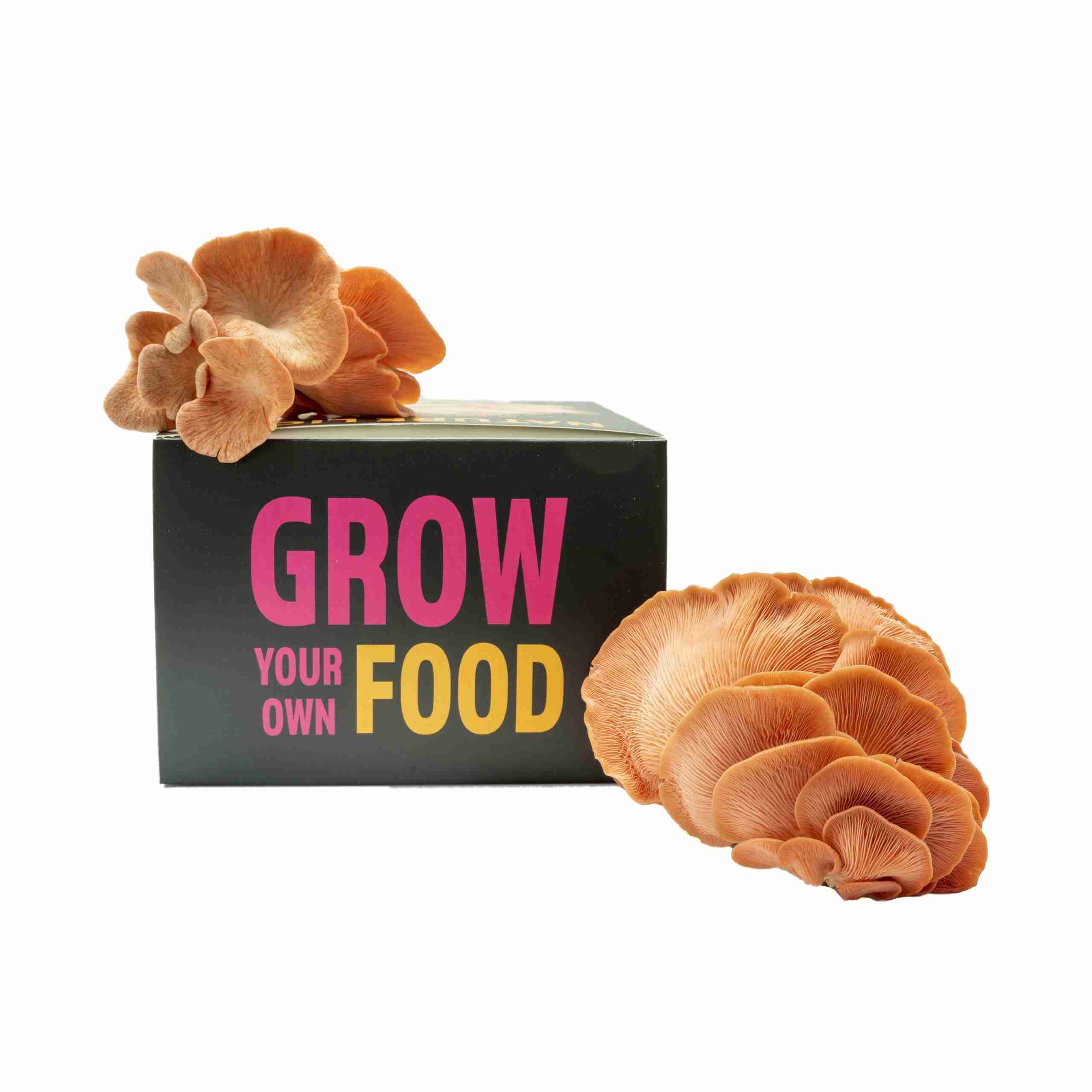
Southeast Asia is one of the world's most important mushroom-producing regions, and for good reason. The tropical climate that stretches across the Philippines, Thailand, Indonesia, Vietnam, Malaysia, and Myanmar offers something most Western growers can only dream of: year-round growing conditions with no winter dormancy, no heating bills, and an almost unlimited supply of cheap agricultural waste substrates.
The region produces millions of tonnes of mushrooms annually, from the paddy straw mushrooms that have been cultivated in Vietnamese rice paddies for centuries to the enormous commercial oyster mushroom operations in Thailand that supply global markets. Yet most English-language mushroom growing guides are written for temperate climates — they assume indoor temperatures of 15–21°C, recommend species that fail in tropical heat, and overlook the extraordinary substrates available across the region.
This guide is different. It addresses the specific challenges and opportunities of growing mushrooms in a tropical climate: managing heat above 30°C, dealing with monsoon humidity, selecting species that thrive rather than struggle in the tropics, and building low-cost growing setups from locally available materials.
Whether you are a smallholder farmer in the Philippines looking to diversify your income, an expat in Thailand wanting to grow your own gourmet mushrooms, or a commercial grower planning operations in the region, this guide covers everything you need to know about tropical mushroom cultivation in Southeast Asia.
Best Mushroom Species for Tropical Cultivation
Species selection is the single most important decision in tropical mushroom farming. The species that dominate Western growing guides — blue oyster, shiitake, button mushroom — are adapted to temperate climates and either fail outright or produce poorly in Southeast Asian lowland heat. The good news is that the tropics have their own superb lineup of species, many of which grow faster and on cheaper substrates than their temperate cousins.
| Species | Fruiting Temp | Substrate | Difficulty |
|---|---|---|---|
| Pink Oyster Pleurotus djamor | 24-35°C | Rice straw, coconut coir, sawdust, banana leaves | Beginner |
| Indian Oyster Pleurotus pulmonarius | 20-30°C | Rice straw, sawdust, cotton waste | Beginner |
| Paddy Straw Mushroom Volvariella volvacea | 32-38°C | Rice straw, oil palm waste, cotton waste | Intermediate |
| Wood Ear Auricularia auricula-judae | 23-32°C | Sawdust (rubber, sengon), rice bran supplement | Beginner |
| King Oyster (tropical strain) Pleurotus eryngii | 18-25°C | Supplemented sawdust blocks | Intermediate |
| Reishi Ganoderma lucidum | 25-35°C | Hardwood sawdust, rubber wood | Intermediate |
| Shiitake (highland only) Lentinula edodes | 10-21°C | Hardwood sawdust blocks, logs | Intermediate |
| Straw Mushroom Volvariella volvacea | 30-38°C | Rice straw beds, banana leaves, oil palm bunches | Intermediate |
| Split Gill Schizophyllum commune | 25-35°C | Almost any lignocellulose; very aggressive coloniser | Beginner |
| King Tuber Oyster Pleurotus tuber-regium | 25-33°C | Sawdust, cassava peel, rice straw | Intermediate |
Pink Oyster — The Tropical Champion
Pleurotus djamoris the undisputed king of tropical mushroom cultivation. Native to Southeast Asia, it thrives in the heat that kills most temperate species, fruiting vigorously at 24–35°C with flushes appearing just 3–5 days after pinning. Pink oysters grow on virtually any lignocellulosic waste — rice straw, coconut coir, banana leaves, sawdust, corn cobs, even coffee grounds. They colonise substrate aggressively, often outcompeting contaminants, making them exceptionally forgiving for beginners. The striking flamingo-pink colour fades to cream when cooked, and the flavour is meaty with a slight seafood note. A single fruiting bag can produce 200–400 grams per flush across 3–4 flushes. Learn more in our complete oyster mushroom guide.
Paddy Straw Mushroom — Southeast Asia's Heritage Species
Volvariella volvaceahas been cultivated in Southeast Asia for over 200 years, making it one of the oldest cultivated mushroom species in the world. It prefers temperatures of 32–38°C — conditions that are naturally met across lowland Southeast Asia for most of the year. Traditional cultivation on outdoor rice straw beds requires no building, no bags, and minimal equipment. The mushrooms are harvested at the egg stage (before the cap opens) and are prized in Vietnamese, Thai, and Chinese cuisine. Yield is lower than oyster mushrooms (about 10–15% biological efficiency versus 75–100% for oysters), but the minimal input cost and high market value compensate.
Wood Ear — The Dried Export Staple
Auriculariaspecies (wood ear, cloud ear, and jelly ear) are among the most commercially important mushrooms in Southeast Asia. Thailand and Vietnam are major producers, growing them on supplemented sawdust bags. Wood ears tolerate a wide temperature range (23–32°C) and produce multiple flushes over 2–3 months. The dried product is lightweight, shelf-stable, and commands strong export prices. Wood ears rehydrate to 10–15 times their dried weight and are essential in Chinese and Southeast Asian soups, stir-fries, and salads.
Reishi — Medicinal Mushroom in Tropical Heat
Ganoderma lucidumand related tropical species thrive at 25–35°C, making Southeast Asia an excellent production region. Reishi is grown on supplemented hardwood sawdust blocks and produces its distinctive shelf-like fruiting bodies over 2–3 months. The dried product is used in traditional medicine throughout Asia and commands premium prices. Thailand and Vietnam have growing reishi industries focused on both domestic consumption and export. Our substrate preparation guide covers the sawdust block technique used for reishi.
Key principle: match the species to your elevation and climate. Lowland areas (0–500 m, 28–35°C daily) should focus on pink oyster, paddy straw, wood ear, reishi, and split gill. Highland areas (800–2,000 m, 15–25°C) can grow shiitake, king oyster, lion's mane, and blue oyster alongside tropical species. Trying to grow shiitake at sea level in Manila or Bangkok is a recipe for frustration and wasted money.
Tropical Growing Challenges — Managing Heat, Humidity, and Pests
Southeast Asia's tropical climate brings extraordinary advantages for mushroom cultivation, but it also presents challenges that temperate growers never face. Understanding these challenges — and the proven solutions that regional growers have developed — is essential for success. Our getting started guide covers universal principles, but tropical growers need additional strategies.
Heat Above 30°C — The Primary Challenge
Most mushroom species stop fruiting above 30°C, and substrate temperatures above 35°C can kill mycelium outright. Lowland Southeast Asian daytime temperatures routinely reach 32–38°C, making temperature management the single biggest challenge for tropical growers.
Solutions:
- Choose heat-tolerant species (pink oyster, paddy straw, wood ear) rather than forcing temperate species
- Build growing houses with thick thatch or double-layer roofing to insulate against direct sun
- Use evaporative cooling: wet burlap walls or misting systems can reduce interior temperatures by 5–8°C
- Orient growing houses east-west with the long axis to minimise sun exposure on the widest walls
- Plant shade trees (banana, coconut palm) around the growing house for natural cooling
- Time harvests for early morning when temperatures are lowest
- At commercial scale, pad-and-fan cooling systems bring temperatures down to 22–25°C for higher-value species
Monsoon Humidity — Too Much of a Good Thing
Mushrooms need humidity, but the monsoon season can push relative humidity to 95–100% for weeks at a time. This creates conditions where bacterial blotch, green mold (Trichoderma), and other contaminants thrive. Fruiting bodies become waterlogged and rot before harvest.
Solutions:
- Maintain airflow with fans or natural ventilation — stagnant air is the enemy during monsoon season
- Raise growing shelves 30–50 cm off the ground to improve air circulation beneath bags
- Reduce misting frequency during high-humidity periods — the ambient moisture is often sufficient
- Use open-sided growing houses with adjustable curtains rather than sealed structures
- During dry season, increase watering of floors and walls to maintain 80–90% humidity
Pest Management in the Tropics
Tropical climates support year-round pest populations that temperate growers deal with only in summer. Flies, mites, termites, slugs, and even rats are constant threats.
Key pests and controls:
- Fungus gnats and phorid flies: the most common pest. Use fine mesh screens (0.5 mm or smaller) on all openings. Yellow sticky traps monitor and reduce adult populations. Remove spent substrate immediately after final harvest
- Mites: barely visible to the naked eye, mites feed on mycelium and developing pins. Maintain strict hygiene, sterilise shelving between batches, and avoid reusing substrate bags
- Termites: can destroy bamboo growing structures and invade substrate bags from below. Use concrete or treated-wood posts for structural elements. Apply termite barriers around the growing house perimeter
- Slugs and snails: active during monsoon season. Raised growing shelves and copper tape barriers help. Manual removal at dawn when they are active is the simplest method
Seasonal Considerations
Southeast Asia has two main seasons: wet (monsoon) and dry. Both affect mushroom production differently. The wet season (roughly May–October in most of the region) brings natural humidity and cooler temperatures, making it the easiest time to grow — but contamination risk peaks. The dry season (November–April) requires more active humidification but brings lower contamination pressure. Many commercial growers in Thailand and the Philippines time their production cycles to peak during the dry season when competition from wild mushrooms is lower and market prices are higher. Paddy straw mushroom cultivation traditionally follows the rice harvest cycle, using freshly harvested straw.
Low-Cost Growing Methods for Southeast Asia
One of the greatest advantages of mushroom farming in Southeast Asia is the low barrier to entry. Unlike temperate cultivation that often requires expensive climate control, sterilisation equipment, and imported substrates, tropical growing can start with materials available in any village. These methods have been refined by generations of Filipino, Vietnamese, and Thai growers.
Bamboo and Nipa Growing Houses
The traditional Southeast Asian growing house is built from bamboo poles with nipa palm (or cogon grass) thatch walls and roof. This design is not primitive — it is brilliantly adapted to tropical conditions. The thatch provides natural insulation and maintains humidity without trapping excessive heat. Open-sided designs with roll-down curtains allow ventilation control. A typical 3 m × 6 m bamboo growing house holds 500–1,000 fruiting bags on bamboo shelving and costs as little as $100–300 USD to build using locally sourced materials. Concrete block posts prevent termite damage to the bamboo structure. Replace nipa thatch every 2–3 years for optimal insulation.
Rice Straw Substrate — Free After Harvest
Rice straw is the most abundant agricultural waste in Southeast Asia. After the rice harvest, millions of tonnes of straw are burned in fields across the Philippines, Thailand, Vietnam, and Indonesia — a waste that mushroom growers can use as free or nearly free substrate. Rice straw is excellent for oyster mushrooms (70–100% biological efficiency) and is the traditional substrate for paddy straw mushrooms. Chop straw to 5–10 cm lengths, soak in water for 12–24 hours, pasteurise at 60–80°C for 1–2 hours (or use cold fermentation over 5–7 days), drain to 65–70% moisture content, mix with spawn, and pack into bags or outdoor beds.
Coconut Coir — The Tropical Powerhouse Substrate
Coconut coir (the fibrous husk of coconuts) is abundant throughout the Philippines, Indonesia, and southern Thailand. Millions of tonnes of coconut husk are discarded annually, yet coir is an outstanding mushroom substrate — it holds moisture exceptionally well, has a naturally near-neutral pH, resists compaction, and is slow to decompose. Coir is particularly good for oyster mushrooms and can be mixed 50/50 with rice straw for improved structure and nutrition. Soak compressed coir blocks in water (they expand 5–7 times), pasteurise, and use as you would any other substrate.
Banana Leaf and Pseudostem Substrate
Banana plants are ubiquitous across Southeast Asia, and their leaves and pseudostems (the trunk-like structure) make effective mushroom substrates. Chopped banana pseudostem can be used alone or mixed with sawdust and rice bran for oyster mushroom cultivation. Banana leaves serve as natural liners for outdoor straw mushroom beds, maintaining humidity and protecting developing mushrooms. The high cellulose content provides good nutrition for saprophytic species.
No-Autoclave Pasteurisation Methods
Commercial autoclaves are expensive and often unavailable in rural Southeast Asia. Fortunately, effective pasteurisation can be achieved with simple equipment. The drum steamer methoduses a 200-litre steel drum over a wood or gas fire, with substrate bags stacked inside and steam generated from water in the bottom — 2–3 hours at 80–100°C is sufficient. The hot water immersionmethod submerges chopped straw in 60–80°C water for 1–2 hours, then drains — effective for oyster mushrooms and requires only a large pot and a thermometer. The cold fermentation (lime bath) method soaks substrate in water with 1–2% hydrated lime (calcium hydroxide) for 18–24 hours, raising pH to 11–12 and killing contaminants without heat — the cheapest method of all.
Hanging Bag Method
The hanging bag method is the most common small-scale technique in Southeast Asia. Pasteurised substrate is packed into clear plastic bags (typically 6 × 12 inch polypropylene bags), inoculated with grain or sawdust spawn, sealed with a cotton or foam plug for gas exchange, and hung from bamboo poles or wire in the growing house. The bags are incubated for 2–4 weeks until fully colonised, then the plug is removed or holes are cut to initiate fruiting. This method maximises space in small growing houses and provides good air circulation around each bag. A single growing house can hold 500–2,000 hanging bags depending on size.
Country-Specific Mushroom Growing Guides
While Southeast Asian countries share a tropical climate, each has distinct substrates, market conditions, government support programs, and growing traditions. Here is what you need to know about mushroom farming in each major producing country.
Philippines
The Philippines has the most developed small-scale mushroom farming support system in Southeast Asia. The Department of Science and Technology (DOST) runs a nationwide mushroom technology program that provides free training, starter spawn, and technical assistance to aspiring growers. Regional DOST offices maintain spawn laboratories and offer hands-on workshops in bag cultivation.
Key details:
- Primary species: oyster mushroom (most common), paddy straw, wood ear, shiitake (Cordillera highlands only)
- Main substrate: rice straw (abundant after two annual harvests), coconut coir, banana leaves
- Market: oyster mushrooms sell for PHP 200–350/kg in wet markets, up to PHP 500/kg in Metro Manila supermarkets and restaurants
- Government support: DOST mushroom program, Department of Agriculture (DA) training, DTI (trade) support for cooperative formation
- Highland areas: Benguet, Mountain Province, and Bukidnon support temperate species including shiitake and button mushroom at elevations above 1,000 m
Thailand
Thailand has the most commercially developed mushroom industry in Southeast Asia, producing over 100,000 tonnes annually. The country's rubber plantations provide an enormous supply of rubber wood sawdust — the dominant commercial substrate.
Key details:
- Primary species: oyster mushroom, straw mushroom, wood ear (huge industry), shiitake (northern highlands), lingzhi/reishi
- Main substrate: rubber wood (Hevea brasiliensis) sawdust supplemented with rice bran and calcium carbonate. Rubber sawdust is Thailand's competitive advantage — cheap, abundant, and excellent for most species
- Market: well-developed domestic market plus significant exports of dried wood ear and straw mushrooms to China, Japan, and Europe
- Northern Thailand: Chiang Mai and Chiang Rai provinces (700–1,200 m elevation) support shiitake, king oyster, and even button mushroom cultivation during the cool season (November–February)
- Spawn suppliers: numerous commercial spawn laboratories, including university-affiliated labs at Kasetsart University and Chiang Mai University
Indonesia
Indonesia is one of the largest mushroom producers in Southeast Asia, with cultivation concentrated on Java and Sumatra. The country's vast plantation forests provide abundant substrate materials.
Key details:
- Primary species: oyster mushroom (jamur tiram), wood ear (jamur kuping), straw mushroom (jamur merang), shiitake (highland Java)
- Main substrate: sengon wood (Albizia falcataria, also called Paraserianthes falcataria) sawdust is the preferred substrate — sengon is a fast-growing plantation timber tree cultivated extensively on Java. Mixed with rice bran (10–15%) and calcium carbonate (1–2%)
- Market: strong domestic demand, particularly in Java's major cities. Oyster mushrooms sell for IDR 25,000–40,000/kg (approximately $1.50–2.50 USD)
- Scale: ranges from backyard operations with 200–500 bags to industrial facilities with 100,000+ bags. Java's dense population creates excellent market access even for small producers
Vietnam
Vietnam has perhaps the longest mushroom cultivation tradition in Southeast Asia. Paddy straw mushroom cultivation in the Mekong Delta dates back centuries, and the country remains one of the world's largest producers of Volvariella volvacea.
Key details:
- Primary species: paddy straw mushroom (dominant in the Mekong Delta), oyster mushroom (growing rapidly), wood ear, shiitake (Dalat highlands), lingzhi/reishi
- Main substrate: rice straw (the Mekong Delta produces enormous quantities), rubber wood sawdust (southern regions), cotton waste
- Traditional method: outdoor rice straw beds for Volvariella— straw is stacked into beds 30–50 cm high, spawn is layered between straw layers, and mushrooms fruit in 10–14 days during the hot season
- Dalat highlands: at 1,500 m elevation, Dalat (Lam Dong province) supports shiitake, king oyster, enoki, and even button mushroom cultivation year-round due to cooler temperatures (18–25°C)
Malaysia
Malaysia's mushroom industry is growing rapidly, driven by the unique advantage of abundant oil palm waste — the country is one of the world's largest palm oil producers.
Key details:
- Primary species: oyster mushroom (most common), wood ear, paddy straw, shiitake (Cameron Highlands)
- Main substrate: oil palm empty fruit bunches (EFB) and oil palm trunk sawdust are increasingly used as substrates — turning a waste disposal problem into a mushroom growing resource. Rubber wood sawdust is also widely used
- Cameron Highlands: at 1,500 m elevation, the Cameron Highlands support temperate species including shiitake, king oyster, and enoki. Several large commercial farms operate here, supplying Kuala Lumpur and Singapore
- Research: Malaysian universities (UPM, UKM) have strong mushroom research programs, particularly on using oil palm waste as substrate and on tropical medicinal mushroom species
Myanmar
Myanmar's mushroom industry is less developed than its neighbours but has significant potential. The country's abundant rice straw, bamboo, and hardwood resources provide excellent substrate materials. Small-scale oyster mushroom cultivation is growing in peri-urban areas around Yangon and Mandalay. Paddy straw mushroom cultivation follows the traditional Vietnamese model in the Ayeyarwady Delta rice-growing region. Myanmar's extensive teak and hardwood forests also support wild mushroom foraging traditions, particularly for termite mushrooms (Termitomyces) during the monsoon season. Government and NGO-supported training programs are helping smallholders adopt mushroom farming as an income diversification strategy.
Starting a Mushroom Farm in Southeast Asia
Mushroom farming is one of the most accessible agricultural enterprises in Southeast Asia. Low startup costs, rapid production cycles (harvest within 3–6 weeks of inoculation), and strong market demand make it an excellent livelihood option for smallholders, returning overseas workers, and agricultural entrepreneurs.
Small-Scale Economics
The economics of small-scale mushroom farming in Southeast Asia are remarkably favourable. Here is a representative breakdown for a 500-bag oyster mushroom operation in the Philippines:
| Item | Cost (USD) |
|---|---|
| Bamboo/nipa growing house (3 × 6 m) | $150–300 |
| Steaming drum (200 L) | $20–40 |
| Spawn (500 bags worth) | $20–40 |
| Plastic bags, cotton plugs | $15–25 |
| Rice straw substrate | $0–10 (often free) |
| Total startup | $200–415 |
| Monthly revenue (500 bags) | $200–400 |
At 200–300 grams per bag across 3 flushes, 500 bags produce 100–150 kg of fresh oyster mushrooms per cycle. Production cycles run 6–8 weeks, allowing 5–6 cycles per year with staggered inoculation. Breakeven is typically achieved within 2–3 months.
Finding Local Spawn Suppliers
Reliable spawn is the foundation of successful mushroom farming. In the Philippines, DOST regional offices maintain spawn production laboratories. In Thailand, Kasetsart University and numerous private labs supply commercial-quality spawn. Indonesia has a network of spawn producers concentrated on Java. In Vietnam, research institutes in Hanoi, Ho Chi Minh City, and Dalat produce spawn. Always buy from reputable suppliers — poor-quality spawn with low vigour or contamination is the most common cause of crop failure. Ask for spawn that is no more than 2–3 weeks old, fully colonised with no visible contaminants, and stored at appropriate temperatures (not left in the sun).
Market Channels
Wet markets are the primary sales channel for small producers across Southeast Asia, offering daily cash sales with no minimum volumes. Restaurants and hotelspay premium prices (30–50% above wet market rates) and provide more predictable demand, but require consistent supply and quality. Supermarkets offer the highest visibility but demand consistent packaging, food safety documentation, and volume commitments. Direct online sales via platforms like Shopee, Lazada, or Facebook Marketplace are growing rapidly, particularly for value-added products like dried mushrooms, mushroom chips, and mushroom powder. Processing and drying extends shelf life from days to months and is essential for wood ear exports.
Government Support Programs
Several Southeast Asian governments actively promote mushroom farming as a poverty reduction and livelihood strategy. The Philippine DOST offers the most comprehensive program: free training, starter spawn, technology transfer, and follow-up technical assistance. Thailand's DOAE (Department of Agricultural Extension)provides training programs and connects growers with markets. Indonesia's Ministry of Agricultureincludes mushroom cultivation in its smallholder support programs. Vietnam's national agricultural research institutes offer training and spawn production. Contact your local agricultural extension office to learn what programs are available in your area — many offer free or subsidised training and materials.
Wild Mushrooms of Southeast Asia
Southeast Asia's tropical forests harbour extraordinary fungal diversity, much of it poorly documented by Western mycology. The monsoon season triggers massive fruitings that local communities have harvested for centuries. While this guide focuses on cultivation, understanding the region's wild mushroom traditions provides valuable context. For more on foraging in tropical regions, see our southern hemisphere foraging guide.
Termite Mushrooms — Termitomyces
The termite mushrooms are among the most prized wild edibles in Southeast Asia, Africa, and South Asia. These remarkable fungi grow exclusively from the fungus gardens maintained by termites inside their mounds — a symbiotic relationship that has existed for 30 million years. Termitomyces species cannot be cultivated because they depend on the termite colony to create and maintain their growing conditions. In Thailand, Termitomyces fuliginosus (het khon in Thai) is highly prized and sells for premium prices during the monsoon season. In Myanmar and Laos, Termitomycesspecies are among the most commercially valuable wild-harvested forest products. The fruiting bodies appear during the monsoon rains (June–September), often emerging in clusters from termite mounds or from underground termite galleries.
Wild Wood Ear and Jelly Fungi
Auricularia species grow abundantly on dead and decaying wood throughout Southeast Asian forests, particularly after monsoon rains. Wild wood ears are collected and dried by rural communities across the region, supplementing the cultivated supply. The translucent, ear-shaped fruiting bodies appear on fallen branches and logs of a wide range of hardwood species. Other jelly fungi, including Tremella fuciformis (silver ear, snow fungus) and Dacryopinax spathularia, are also collected and sold in local markets.
Tropical Chanterelles and Boletes
While the iconic golden chanterelle (Cantharellus cibarius) is a temperate species, Southeast Asia has its own chanterelle relatives. Cantharellus minor and several undescribed Cantharellus species fruit in dipterocarp and tropical hardwood forests during the monsoon season. Tropical boletes, including species of Boletus, Tylopilus, and Strobilomyces, appear in mycorrhizal association with dipterocarps and other tropical trees. The mycology of Southeast Asian fungi is still being actively researched, and many species remain undescribed by science.
Monsoon Fruiting Patterns
The monsoon season (roughly May–October across most of the region, with local variations) is the primary wild mushroom fruiting season. The combination of heavy rainfall and warm temperatures triggers explosive fruitings that can produce enormous quantities of wild mushrooms within days of the first major rains. In Thailand, the early monsoon (June–July) brings termite mushrooms, while the peak monsoon (August–September) produces the widest variety of species. The transition between wet and dry seasons often produces a brief but intense secondary fruiting. Unlike temperate regions where autumn is the peak season, tropical mushroom foraging is driven almost entirely by rainfall patterns rather than temperature changes.
Mushroom Safety in Southeast Asia
Wild mushroom poisoning is a significant public health concern in Southeast Asia, particularly during the monsoon season when large quantities of wild mushrooms appear and are collected by rural communities. However, the most deadly risk associated with Southeast Asian mushroom culture occurs far from the region itself.
CRITICAL: Paddy Straw vs Death Cap Confusion
This is the most important safety message for Southeast Asian mushroom foragers who travel or emigrate abroad. The paddy straw mushroom (Volvariella volvacea) and the death cap (Amanita phalloides) look dangerously similar at the young “button” or “egg” stage — both emerge from a universal veil that forms a cup-like structure at the base.
Multiple fatalities have occurred among Southeast Asian immigrants in Australia, Europe, and North America who collected young death caps under oak trees, believing them to be the familiar straw mushrooms of their homeland. Death caps do not grow in tropical Southeast Asia — they are a temperate species associated with oak and beech trees — so foragers from the region have no experience recognising them.
How to tell them apart:
- Habitat: paddy straw mushrooms grow on decomposing organic matter (rice straw, compost) in tropical heat. Death caps grow under oak trees in cool temperate forests
- Gills: paddy straw mushrooms have pink-to-brown free gills. Death caps have white gills that remain white
- Ring: paddy straw mushrooms have no ring on the stem. Death caps have a distinct pendant ring (skirt)
- Spore print: paddy straw — pink to pinkish-brown. Death cap — white
- Smell: death caps have a faintly sweet, honey-like odour, especially when older
Rule: never forage for straw mushroom look-alikes outside of tropical Southeast Asia.If you have emigrated to a temperate country, buy straw mushrooms from a store or grow them — do not collect wild mushrooms that resemble them.
Wild Mushroom Poisoning Risks in the Region
Within Southeast Asia, the main poisoning risks come from toxic species collected during monsoon season foraging. Key dangerous species include:
- Amanita species: while the death cap is rare in tropical lowlands, other toxic Amanita species occur in highland areas and cooler zones. Amanita exitialis (found in southern China and northern Vietnam) contains lethal amatoxins
- Russula subnigricans: causes rhabdomyolysis (skeletal muscle breakdown) and has been responsible for fatalities in East and Southeast Asia
- Small brown mushrooms: numerous toxic species in genera like Galerina, Lepiota, and Inocybeare easily confused with edible species. The “little brown mushroom” problem is universal — avoid collecting any small, nondescript brown mushrooms unless you have expert-level identification skills
- Bioluminescent species: some glowing mushrooms found in tropical forests (e.g., Omphalotus) are toxic and should not be eaten despite their fascinating appearance
Food Safety for Cultivated Mushrooms
In tropical climates, harvested mushrooms spoil much faster than in temperate environments. Fresh oyster mushrooms have a shelf life of just 1–2 days at tropical ambient temperatures versus 5–7 days when refrigerated. Harvest in the early morning when temperatures are coolest, transport to market immediately or refrigerate, and consider drying surplus production for longer shelf life. Never sell or consume mushrooms that show signs of bacterial discoloration, sliminess, or off-odours. For substrate safety, always complete pasteurisation fully — cutting corners in tropical heat invites contamination that can produce harmful metabolites.
Frequently Asked Questions
Can you grow mushrooms in 30°C heat?
Yes, several mushroom species thrive at 30°C and above. Pink oyster mushrooms (Pleurotus djamor) fruit vigorously at 24-35°C and are the top choice for hot climates. Paddy straw mushrooms (Volvariella volvacea) prefer 32-38°C and are one of the most widely cultivated species in Southeast Asia. Indian oyster (Pleurotus pulmonarius) tolerates heat better than blue oyster, fruiting well at 20-30°C. The key is choosing heat-adapted species rather than forcing temperate varieties to grow in tropical conditions. Avoid blue oyster and shiitake in lowland tropical areas — they require temperatures below 24°C to fruit properly.
What is the cheapest way to start mushroom farming in Southeast Asia?
The cheapest entry point is growing oyster mushrooms on rice straw or coconut coir using the hanging bag method. Total startup costs can be as low as $50-100 USD. You need: spawn bags from a local supplier ($10-20 for enough to inoculate 50 bags), rice straw or coconut coir (often free or very cheap locally), plastic bags, and a simple steaming drum for pasteurization. A basic bamboo or nipa growing house costs $100-300 to build using local materials. Many Filipino and Vietnamese growers start with just 100 bags and scale up from profits. Government programs like the Philippine DOST mushroom program provide free training and starter spawn.
What substrates are best for tropical mushroom growing?
The best tropical substrates are those locally abundant and cheap in Southeast Asia. Rice straw is the traditional choice — available after every harvest, excellent for oyster and straw mushrooms. Coconut coir (from coconut husks) is widely available in the Philippines, Indonesia, and Thailand and works well for oyster mushrooms. Sawdust from rubber trees (Hevea brasiliensis) is the dominant commercial substrate in Thailand and Malaysia. Oil palm empty fruit bunches are abundant in Malaysia and Indonesia. Banana leaves and pseudostems work as supplementary substrates. Sengon (Albizia) wood sawdust is preferred in Indonesia. All these substrates require pasteurization or sterilization before use.
How do you prevent contamination in tropical climates?
Tropical heat and humidity make contamination the biggest challenge in Southeast Asian mushroom farming. Key prevention strategies include: thorough pasteurization at 60-80°C for 1-2 hours (never skip this step in tropical climates), maintaining clean inoculation areas with alcohol wipes and minimal air movement, using high spawn rates (7-10% of substrate weight) so mycelium colonizes before contaminants establish, ensuring good airflow in growing houses to prevent stagnant humid pockets where Trichoderma thrives, harvesting promptly before overripe mushrooms attract flies and mites, and removing contaminated bags immediately. The monsoon season is especially challenging — increase ventilation and reduce watering during periods of extreme humidity above 95%.
Is the paddy straw mushroom the same as the death cap?
No, but this confusion has caused fatal poisonings worldwide. The paddy straw mushroom (Volvariella volvacea) and the death cap (Amanita phalloides) both emerge from egg-like structures called universal veils, making them look similar at the button stage. Southeast Asian immigrants in temperate countries (Australia, Europe, North America) have died after mistaking young death caps for the familiar straw mushrooms of their home countries. Critical differences: paddy straw mushrooms have pink-to-brown free gills and no ring on the stem, while death caps have white gills, a pendant ring, and a sac-like volva at the base. Paddy straw mushrooms grow on compost and straw in tropical heat, while death caps grow under oak trees in cool temperate forests. Never forage for straw mushroom look-alikes outside tropical Southeast Asia.
Can you grow shiitake in Southeast Asia?
Yes, but only in highland areas above 800-1,000 metres elevation where temperatures drop below 25°C. Shiitake (Lentinula edodes) requires fruiting temperatures of 10-21°C and will not produce mushrooms in lowland tropical heat. Highland areas of the Philippines (Cordillera, Benguet province), northern Thailand (Chiang Mai, Chiang Rai), Vietnamese highlands (Dalat), and the Cameron Highlands in Malaysia all support shiitake cultivation. At lower elevations, substitute with tropical species like pink oyster, king tuber oyster (Pleurotus tuber-regium), or paddy straw mushrooms, which actually prefer the heat.
How profitable is mushroom farming in the Philippines?
Mushroom farming in the Philippines can be highly profitable relative to investment. A small-scale operation with 500 fruiting bags can generate PHP 15,000-25,000 (approximately $270-450 USD) per month in net profit after expenses. Oyster mushrooms sell for PHP 200-350 per kilogram in wet markets and up to PHP 500/kg in supermarkets and restaurants. Startup costs for 500 bags are approximately PHP 15,000-25,000 including spawn, substrate, and a basic bamboo growing house. The DOST (Department of Science and Technology) offers free mushroom farming training and technology transfer programs in many provinces. Key success factors include reliable spawn supply, good substrate pasteurization, and consistent market access — selling directly to restaurants typically yields 30-50% higher prices than wet market sales.
What pests and diseases affect mushrooms in tropical climates?
Tropical mushroom farms face more intense pest pressure than temperate operations. The main threats are: sciarid flies (fungus gnats) and phorid flies, which lay eggs in substrate and whose larvae eat mycelium — use fine mesh screens (0.5mm) on all growing house openings. Mites (Tyrophagus and Tarsonemus species) feed on mycelium and developing pins, thriving in hot, humid conditions. Trichoderma green mold is the most common fungal contaminant, spreading rapidly at temperatures above 27°C. Termites can destroy bamboo growing structures and even invade substrate bags. Rats and cockroaches are attracted to grain spawn. Prevention is far more effective than treatment: screen all openings, maintain hygiene, remove spent substrate promptly, and consider raising growing shelves off the ground on concrete blocks to deter termites.
Got a Question About Tropical Mushroom Growing?
Whether you are troubleshooting contamination in your growing house, choosing the right species for your climate zone, or trying to identify a wild mushroom from the monsoon forest, Dr. Myco is our AI mycology assistant trained on decades of cultivation knowledge and verified Mushroom Observer data. Describe your growing conditions — temperature, humidity, substrate, symptoms — and get expert guidance in seconds. Remember: never eat a wild mushroom based solely on an AI identification. Use Dr. Myco as a starting point, then confirm with local experts and field guides.
Ask Dr. MycoAbout the Author
Andrew Langevin is the founder of Nature Lion Inc, a CFIA-licensed mushroom cultivation facility that has served over 50,000 customers. He is a contributing author of Mushroomology (Brill, 2026), one of the most comprehensive academic references on applied mycology. His content draws on verified Mushroom Observer data covering 5,700+ species and a knowledge base of 32,000+ community knowledge chunks spanning decades of field experience.
Read full bio →Continue Learning
Oyster Mushroom Guide
Complete guide to growing oyster mushrooms
Substrate Preparation
Substrates, pasteurisation, and supplementation
Getting Started
Everything beginners need to know
How to Grow Mushrooms
Step-by-step growing guide
Contamination Prevention
Keep your grows clean and healthy
Southern Hemisphere Foraging
Tropical and subtropical foraging guide
Mushroom Growing in India
Subtropical and tropical cultivation in India
Mushroom Growing in Australia
Australian climate and species guide
Deadly & Toxic Mushrooms
Critical safety information for foragers