Advanced Substrate Techniques
20 tips in Substrate Preparation
By Andrew Langevin · Founder, Nature Lion Inc · Contributing author, Mushroomology (Brill, 2026)
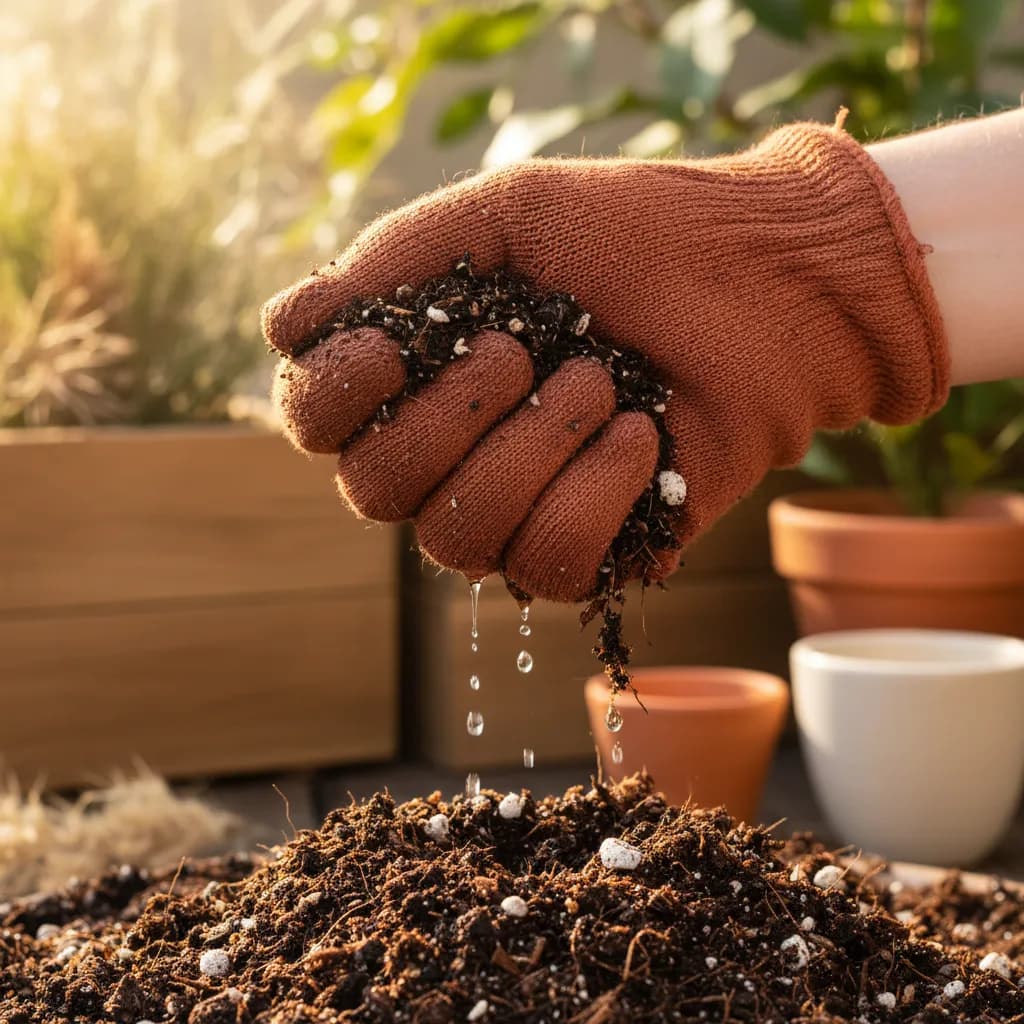
The optimal carbon-to-nitrogen (C:N) ratio for most gourmet mushroom substrates falls between 30:1 and 80:1. This range provides enough nitrogen for mycelial growth while keeping the substrate inhospitable to fast-growing bacterial competitors that thrive on nitrogen-rich materials.
C:N ratios of common substrate materials:
- Straw: 80-100:1 (very low nitrogen, very safe from contamination)
- Hardwood sawdust: 350-500:1 (extremely low nitrogen, needs supplementation for good yields)
- Coco coir: 75-100:1 (low nitrogen, contamination-resistant)
- Wheat bran: 15-20:1 (high nitrogen supplement)
- Soy hull pellets: 30-40:1 (moderate nitrogen supplement)
- Coffee grounds: 20-25:1 (high nitrogen, contamination-prone)
- Horse manure (composted): 15-25:1 (high nitrogen)
How to use this information:
- Blend high-carbon base materials (sawdust, straw) with nitrogen-rich supplements (bran, soy hulls) to reach your target C:N ratio
- Lower C:N ratios (30-40:1) produce higher yields but require perfect sterilization because the nitrogen attracts contaminants
- Higher C:N ratios (60-80:1) are safer and can be pasteurized, but produce lower yields
- Masters Mix (50/50 hardwood pellets and soy hull pellets) achieves approximately 40-50:1, which is an excellent balance of yield and manageable contamination risk
Precise moisture content measurement eliminates the guesswork of the squeeze test and ensures repeatable results across batches. The standard target for most mushroom substrates is 60-65% moisture by weight.
Measuring moisture content:
- Weigh a sample of your prepared substrate on a kitchen scale — record this as the wet weight (e.g., 100g)
- Place the sample in an oven at 220°F (105°C) for 4-6 hours until completely dry (no further weight loss between checks)
- Weigh the dried sample — record this as the dry weight (e.g., 38g)
- Calculate: Moisture % = ((Wet weight - Dry weight) / Wet weight) x 100
- Example: ((100 - 38) / 100) x 100 = 62% moisture — perfect field capacity
Quick reference targets:
- CVG and coir-based substrates: 60-65%
- Straw: 65-70%
- Supplemented sawdust (Masters Mix): 60-65%
- Grain spawn: 45-50% (lower than bulk substrates)
Adjusting moisture:
- If moisture is too high (above 68%), spread the substrate and let it air-dry, mixing periodically
- If moisture is too low (below 58%), add small amounts of water and mix thoroughly, then recheck
Once you calibrate your recipes using this method, you can return to the squeeze test for daily work — but perform a measurement check whenever you change grain sources, substrate brands, or preparation methods.
Coffee grounds can be added to mushroom substrate, but only in limited quantities and only with proper sterilization. Fresh spent coffee grounds have a C:N ratio of approximately 20:1, making them nitrogen-rich and therefore a contamination risk when used in excess.
Guidelines for using coffee grounds:
- Maximum ratio: Do not exceed 20-25% coffee grounds by volume in any substrate mix
- Freshness matters: Use coffee grounds within 24 hours of brewing — older grounds develop mold rapidly
- Always sterilize the final mix when adding coffee grounds, even to substrates that would normally only need pasteurization. The high nitrogen content demands it.
- Best base substrates to pair with coffee: Straw, coco coir, or hardwood sawdust — all high-carbon materials that offset the coffee's nitrogen
Species compatibility:
- Oyster mushrooms: Excellent — aggressive colonizers that handle high nitrogen
- King oyster: Acceptable in small amounts (10-15%)
- Shiitake: Not recommended — too slow to outcompete contaminants in nitrogen-rich substrate
- Lion's mane: Not recommended — same reason as shiitake
A practical recipe: 75% pasteurized straw + 20% fresh coffee grounds + 5% gypsum, inoculated with a generous 20% spawn rate of oyster mushroom grain spawn. The high spawn rate helps the mycelium colonize before contaminants can establish in the coffee-enriched mix.
Cold water lime pasteurization uses high-pH water to kill contaminants without any heat, making it ideal for large-volume substrate preparation and situations where heating is impractical. The technique submerges substrate in water treated with hydrated lime (calcium hydroxide) for 18-24 hours.
The process:
- Fill a large container (trash can, barrel, or tote) with cold water
- Add hydrated lime (Ca(OH)2) at a rate of 10 grams per liter of water
- Stir thoroughly — the water should appear milky white
- Submerge chopped straw or other substrate, using weights to keep it fully submerged
- Soak for 18-24 hours at ambient temperature
- Drain thoroughly and let excess water drip off for 2-4 hours before spawning
When to use cold water lime:
- Processing large volumes of straw (50+ pounds) where hot water is impractical
- Tropical climates where maintaining hot water temperatures is difficult
- When fuel or electricity for heating is expensive or unavailable
- Outdoor grows where precision temperature control is impossible
Important safety notes:
- Wear rubber gloves and eye protection when handling lime solutions — pH 12-13 causes skin irritation and eye damage
- Use hydrated lime only (calcium hydroxide), never quicklime (calcium oxide), which generates dangerous heat when mixed with water
- The residual lime on the substrate neutralizes naturally through CO2 absorption within 24-48 hours and does not harm mushroom mycelium
Phase I and Phase II composting are the two sequential stages of preparing commercial mushroom compost, primarily used for Agaricus (button, cremini, portobello) cultivation. Together they transform raw agricultural waste into a highly selective growing medium.
Phase I — Outdoor Composting (12-21 days):
- Raw ingredients (horse manure, straw, gypsum, nitrogen supplements) are mixed and formed into large outdoor windrows
- The pile is watered and turned every 2-3 days using a windrow turner or tractor
- Microbial activity raises internal temperatures to 160-180°F (71-82°C)
- This thermophilic phase breaks down raw organic matter, kills weed seeds and pathogens, and begins converting nutrients into forms accessible to mushroom mycelium
- Ammonia levels are high during this phase — the compost is not ready until ammonia drops below detectable levels
Phase II — Controlled Pasteurization and Conditioning (5-10 days):
- Compost is moved into an enclosed room or tunnel with climate control
- Temperature is raised to 140°F (60°C) for 6-8 hours (pasteurization peak) to kill remaining pests and pathogens
- Temperature is then lowered to 120-130°F (49-54°C) and held for 5-7 days (conditioning)
- During conditioning, beneficial thermophilic organisms convert remaining ammonia into protein and consume free sugars, making the compost selective — only mushroom mycelium can thrive in it
The result is a substrate that actively resists contamination because the beneficial microbial community occupies all ecological niches that competing molds would need.
Adding wheat bran or soy hull pellets to hardwood sawdust boosts nitrogen content, which significantly increases mushroom yields. The tradeoff is that supplemented substrates must be sterilized rather than pasteurized.
Wheat bran supplementation:
- Add 5-15% wheat bran by dry weight to your hardwood sawdust or pellets
- Example: 850g hardwood pellets + 150g wheat bran + 1.4L water for a 2.5 lb grow bag
- Mix dry ingredients first, then add water gradually until field capacity
- Sterilize at 15 PSI for 150 minutes
Soy hull pellet supplementation:
- Add 10-50% soy hull pellets by dry weight
- At 50%, you have Masters Mix — the highest-yielding commercial substrate
- Example: 500g hardwood pellets + 500g soy hull pellets + 1.4-1.6L water
- Sterilize at 15 PSI for 150 minutes
Species-specific recommendations:
- Oyster mushrooms: 10-20% wheat bran or soy hull is sufficient
- Lion's mane: 30-50% soy hull (Masters Mix range) for maximum yields
- King oyster: 20-40% soy hull
- Shiitake: 10-20% wheat bran — shiitake is sensitive to over-supplementation
Start with lower supplementation rates (5-10%) while you dial in your sterilization and inoculation technique. Higher supplementation demands perfect sterile procedure — any surviving contaminant will explode on the nitrogen-rich substrate.
The practical maximum supplementation rate is approximately 40-50% nitrogen-rich additive by dry weight, beyond which contamination risk escalates sharply and yields plateau or decline. Masters Mix at 50% soy hull represents the upper boundary of what most growers can manage reliably.
Supplementation rate and contamination risk:
- 0-5%: Very low contamination risk. Can sometimes be pasteurized instead of sterilized. Moderate yields.
- 5-15%: Low risk with proper sterilization. Good yield boost. Recommended starting range for intermediate growers.
- 15-30%: Moderate risk. Requires perfect sterilization and clean inoculation. Significant yield improvement.
- 30-50%: High risk. Demands flow hood, precise sterilization, and fast colonization. Maximum yield territory.
- Above 50%: Diminishing returns. Contamination becomes very difficult to manage. Yields may actually decrease as excess nitrogen promotes bacterial growth.
Why yields plateau above 50%:
- Excess nitrogen shifts the substrate C:N ratio below 30:1, favoring bacterial competition
- Mycelium struggles to colonize before fast-growing contaminants establish
- The substrate becomes too dense and moisture-retentive, creating anaerobic zones
Practical advice: Match your supplementation rate to your skill level and equipment. Beginners should stay at 5-10%. Intermediate growers with a SAB can push to 15-25%. Only growers with a flow hood and proven sterile technique should attempt 30-50%.
Corrugated cardboard is a free, widely available substrate that works well for aggressive colonizers like oyster mushrooms. It consists primarily of cellulose — the same compound found in wood and straw — making it a natural food source for wood-loving fungi.
Preparation:
- Collect plain corrugated cardboard (brown, uncoated, no glossy printing). Remove any tape, labels, and staples.
- Tear or cut the cardboard into small pieces (2-4 inch squares) or strips
- Soak in hot water (160-180°F) for 60-90 minutes for pasteurization
- Alternatively, pour boiling water over the cardboard in a bucket, seal, and wait 8-12 hours
- Drain thoroughly and squeeze out excess water — the cardboard should be saturated but not dripping
Inoculation methods:
- Layering: Alternate layers of wet cardboard and grain spawn in a bucket or container (similar to bucket tek with straw)
- Stem butt cloning: Place fresh oyster mushroom stem butts between layers of wet cardboard — the mycelium from the stem bases will colonize the cardboard without any spawn
Limitations:
- Very low nutrition (C:N ratio over 300:1) — yields are lower than straw or sawdust
- Only aggressive species like oyster mushrooms colonize reliably
- Best used as a starter substrate for beginners or as a way to expand mycelium cheaply before transferring to a richer substrate
Yes, mixing substrate types is common practice and often produces better results than using a single substrate alone. Blending allows you to combine the structural, nutritional, and moisture-retention properties of different materials.
Popular substrate blends:
- CVG (coco coir + vermiculite + gypsum): The most popular blend — coir provides bulk carbon, vermiculite retains moisture, gypsum adds minerals and prevents clumping
- Masters Mix (hardwood sawdust + soy hulls): High-yield commercial blend combining carbon-rich wood with nitrogen-rich soy
- Straw + coffee grounds (80/20): Boosts nitrogen content of straw for improved yields
- Sawdust + straw (50/50): Combines the density of sawdust with the airflow properties of straw
- Coir + straw (50/50): Budget-friendly blend with good structure and moisture balance
- Manure + coir + vermiculite: Nutrient-rich blend for Agaricus species
Rules for mixing substrates:
- Match treatment methods to the most demanding component — if any ingredient requires sterilization, sterilize the entire mix
- Calculate C:N ratio of the final blend, not individual components
- Test moisture after mixing — different materials absorb water at different rates, and the blend may need adjustment
- Start with established recipes before experimenting with custom blends
Custom blends shine when you have access to free or cheap local materials — sawmill waste, agricultural byproducts, or brewery spent grain can all be incorporated into effective substrate mixes.
Most mushroom species prefer slightly acidic to neutral substrate with a pH of 5.5-7.0. Testing and adjusting pH is straightforward and can resolve mysterious colonization problems.
Testing pH:
- pH meter ($15-$30): The most accurate method. Mix a small amount of substrate with an equal volume of distilled water, stir, let settle for 10 minutes, then measure the liquid. Calibrate the meter with buffer solutions before each use.
- pH test strips ($5-$8): Less precise but adequate for mushroom work. Dip a strip into the substrate water mixture and compare the color to the reference chart. Accuracy of ±0.5 pH units.
Common substrate pH values:
- Coco coir: 5.5-6.5 (ideal range)
- Straw: 6.0-7.5 (slightly alkaline)
- Hardwood sawdust: 4.5-5.5 (slightly acidic)
- Composted manure: 6.5-7.5
- Peat moss: 3.5-4.5 (too acidic for most mushrooms)
Adjusting pH:
- To raise pH (too acidic): Add hydrated lime (calcium hydroxide) at 1-2 grams per kilogram of substrate, or add gypsum (calcium sulfate) which mildly buffers upward
- To lower pH (too alkaline): Add a small amount of sulfur, or simply let the mycelium acidify the substrate naturally during colonization — most mushroom species produce organic acids that lower pH over time
In practice, pH adjustment is rarely necessary for standard substrates like CVG, straw, or sawdust. It becomes relevant when using unusual materials, recycled substrates, or heavily lime-treated water.
Each mushroom species has evolved to digest specific materials, so matching species to substrate is critical for success. Here is a comparison of optimal substrates for the most commonly cultivated gourmet species.
Species and their best substrates:
- Blue oyster: Straw, hardwood sawdust, CVG, cardboard, coffee grounds — extremely versatile, grows on almost anything
- Pink oyster: Straw or supplemented sawdust — prefers warm conditions and fast-colonizing substrates
- King oyster: Masters Mix or supplemented hardwood sawdust — needs higher nutrition than other oysters
- Shiitake: Supplemented hardwood sawdust (oak preferred) or hardwood logs — requires wood-based substrate
- Lion's mane: Masters Mix or hardwood sawdust with 20-40% soy hull — performs best on high-nutrition substrates
- Maitake (hen of the woods): Supplemented oak sawdust — slow colonizer, requires patience
- Reishi: Supplemented hardwood sawdust — tolerates a wide range of wood types
- Chestnut mushroom: Masters Mix — similar requirements to lion's mane
- Wine cap: Wood chips, straw, or garden beds — best grown outdoors
- Button/cremini/portobello: Composted horse manure — the only common species requiring compost
For beginners: Start with oyster mushrooms on straw or CVG — they are the most forgiving combination. Graduate to supplemented sawdust (Masters Mix) for lion's mane and king oyster once you have reliable sterilization skills.
Outdoor mushroom beds using fresh hardwood chips are one of the simplest and most rewarding cultivation methods, requiring minimal equipment and maintenance. Wine cap (Stropharia rugosoannulata) and oyster mushrooms are the best species for this technique.
Preparing the wood chips:
- Source fresh hardwood chips from a local arborist, tree service, or chipper rental. Oak, maple, beech, and poplar are all excellent. Avoid softwood (pine, cedar, spruce) and treated wood.
- Chips should be 1-3 inches in size — a mix of chips and small branches is ideal
- Freshness matters — chips less than 2 weeks old are best because they have fewer competing organisms established
- Soak chips in water for 24-48 hours to fully hydrate them, then drain
Building the bed:
- Choose a shady, sheltered location — north side of a building, under trees, or along a fence line
- Lay down a 4-6 inch layer of soaked wood chips in a bed at least 3x3 feet
- Scatter grain spawn across the surface at a 10-15% rate by volume
- Add another 2-3 inch layer of chips on top
- Water thoroughly and cover with cardboard or burlap to retain moisture
Outdoor beds do not require sterilization or pasteurization — the large volume and biological diversity of an outdoor environment allow mushroom mycelium to establish naturally. Water during dry periods and expect first fruits in 3-6 months depending on season and climate.
A casing layer is a thin layer of non-nutritive material applied on top of colonized substrate to create a humid microclimate that triggers pinning. It acts as a moisture reservoir and provides the surface conditions mushroom primordia need to form.
When you need a casing layer:
- Button/cremini/portobello (Agaricus): Absolutely required — these species will not fruit without a casing layer
- Cubensis and related species: Beneficial but not strictly required — improves pin set uniformity
- Reishi (antler form): A casing layer helps initiate antler growth
When you do NOT need a casing layer:
- Oyster mushrooms: Fruit directly from substrate surface and holes in bags
- Lion's mane: Fruits from exposed substrate surfaces
- Shiitake: Fruits from blocks without casing
- Monotubs with CVG: The substrate surface itself acts as the fruiting surface
Common casing layer materials:
- Peat moss + vermiculite (50/50): The traditional recipe, pH-adjusted with hydrated lime to 7.0-7.5
- Coco coir + vermiculite: pH-neutral alternative that requires no adjustment
- Plain coco coir: Simplest option, works well for most applications
The casing layer should be 1/4 to 1/2 inch thick, hydrated to field capacity, and applied after the substrate is fully colonized. It should NOT be mixed into the substrate — it sits on top as a distinct layer.
A vermiculite-based casing layer is one of the simplest and most effective options, providing excellent moisture retention and a hospitable surface for primordia formation. It requires no pH adjustment and is naturally contamination-resistant due to its inert mineral composition.
Basic recipe:
- Vermiculite (coarse grade): 2 parts by volume
- Coco coir (hydrated): 1 part by volume
- Water: Enough to reach field capacity
Preparation:
- Mix dry vermiculite with hydrated coco coir in a clean bucket
- Add water gradually and mix until the squeeze test yields 2-3 drops
- Pasteurize by pouring boiling water over the mix in a sealed bucket for 4-8 hours
- Cool to below 77°F (25°C) before applying
Application:
- Wait until your substrate is 100% colonized on the surface
- Apply a uniform layer 1/4 to 1/2 inch thick across the entire colonized surface
- Do not pack it down — gentle, even distribution is key
- Mist the casing layer lightly after application
- Introduce fruiting conditions immediately (FAE, humidity, light)
Why vermiculite works so well:
- Holds 3-4 times its weight in water, slowly releasing it to maintain surface humidity
- Creates millions of tiny air pockets that provide an ideal microclimate for pin formation
- Contains no nutrition, so it does not support contaminant growth
- Bright color makes it easy to spot primordia formation and contamination
Substrate must cool to room temperature after pasteurization before adding spawn — but the resting period serves additional purposes beyond simple cooling. Understanding why helps you optimize your timing and improve results.
Reasons for resting:
- Temperature safety: Mycelium dies above 104°F (40°C). Adding spawn to hot substrate kills it instantly. The substrate must reach below 80°F (27°C) throughout — not just on the surface, but at the core.
- Moisture equilibration: During pasteurization, moisture distributes unevenly — the outer layers may be drier while the center retains more water. Resting allows moisture to equalize throughout the substrate.
- Beneficial bacteria recovery: In pasteurized (not sterilized) substrates, the surviving beneficial thermophilic bacteria need time to reactivate and establish colonies. These bacteria occupy ecological niches that would otherwise be claimed by contaminants.
- Off-gassing: Some substrates release volatile compounds during heating that can inhibit mycelial growth. Resting with the lid slightly cracked (for sterilized substrates in a clean environment) allows these compounds to dissipate.
Recommended rest times:
- Bucket tek (CVG): 8-12 hours (overnight is ideal)
- Hot water bath (straw): 2-4 hours of draining and cooling
- Steam pasteurization: 4-8 hours in the covered vessel
- Pressure cooker sterilization: 8-12 hours of natural depressurization and cooling
There is no penalty for waiting longer — properly pasteurized substrate in a sealed container remains clean for 24-48 hours.
Spent mushroom substrate can be reused in limited ways, but it will never perform as well as fresh substrate. The mycelium has already consumed most of the available nutrition during the first grow, leaving behind a depleted material.
What you can do with spent substrate:
- Outdoor mushroom beds: Mix spent substrate into outdoor wood chip beds at a 25-50% ratio. The remaining mycelium may produce additional outdoor flushes, and the depleted substrate improves soil structure.
- Compost: Spent mushroom substrate is excellent compost material. It breaks down quickly and adds organic matter and beneficial microbes to garden soil.
- Re-pasteurize and reuse at 25-50% blend: Mix spent substrate with an equal volume of fresh substrate, pasteurize the blend, and spawn with a higher-than-normal spawn rate (20-25%). Yields will be 30-50% lower than fresh substrate.
- Worm food: Vermicomposting worms love spent mushroom substrate.
What you should NOT do:
- Reuse spent substrate at 100% without adding fresh material — yields will be very poor
- Reuse substrate that showed signs of contamination (green mold, bacterial blotch) — the contaminants persist even after re-pasteurization
- Expect the same yields from reused substrate — nutrition is depleted
The most practical approach for home growers is to compost spent substrate in the garden and prepare fresh substrate for each grow. The marginal savings from reuse rarely justify the reduced yields.
Properly pasteurized or sterilized substrate can be stored for limited periods before inoculation, but freshness matters. The longer substrate sits before spawning, the greater the chance that contaminants establish themselves.
Storage guidelines by substrate type:
Sterilized substrate (pressure cooked):
- Store in the sealed, unopened original container (bags or jars)
- Keeps clean for 1-2 weeks at room temperature if the seal is intact
- Refrigeration extends this to 3-4 weeks
- Once opened, use immediately — sterilized substrate has no microbial defense
Pasteurized substrate (bucket tek, hot water bath):
- Best used within 24-48 hours of preparation
- Store in the sealed pasteurization vessel (keep the bucket lid on)
- Room temperature only — refrigeration slows the beneficial bacteria that protect pasteurized substrate
- After 48 hours, smell-test before using — any sour or fermented odor means contamination has begun
Dry substrate components (pre-hydration):
- Dry coco coir bricks, hardwood pellets, vermiculite, and grain store indefinitely in a cool, dry location in sealed bags
- Protect from moisture, which initiates mold growth on dry materials
Best practice: Prepare substrate on the same day you plan to inoculate. The spawn-to-substrate workflow should be: prepare substrate, cool or rest, then spawn — all within 24 hours for pasteurized substrates, or within a few days for sterilized substrates in sealed containers.
Hardwood is the standard for mushroom cultivation, while softwood is generally avoided. The distinction is critical because it affects both mycelial colonization and mushroom yields.
Hardwood (recommended):
- Comes from deciduous trees: oak, maple, beech, birch, poplar, alder, ash
- Contains complex lignin structures that many gourmet mushrooms have evolved to digest
- Provides appropriate nutrition for shiitake, oyster, lion's mane, maitake, and most cultivated species
- Available as sawdust, fuel pellets, chips, or logs
Softwood (generally avoid):
- Comes from coniferous trees: pine, spruce, cedar, fir, hemlock
- Contains natural antifungal compounds — terpenes, phenols, and resins — that inhibit mycelial growth
- Cedar is the worst offender due to its thujaplicin content, which is specifically antifungal
- Fresh softwood is much more inhibitory than aged softwood
Exceptions and nuances:
- Some oyster mushroom strains can colonize aged softwood sawdust, though yields are lower than on hardwood
- Aged softwood (weathered outdoors for 6-12 months) loses much of its antifungal terpene content and becomes more suitable
- Turkey tail and some other medicinal polypores can grow on softwood
- Never mix softwood into hardwood substrate — even 10-20% softwood contamination can significantly slow colonization
When purchasing hardwood fuel pellets, always verify the label says 100% hardwood with no softwood blended in and no chemical additives or accelerants.
Scaling substrate recipes requires maintaining consistent ratios by weight (not volume) as you increase or decrease batch size. Weight-based scaling is more accurate because substrate materials vary in density — a cup of sawdust weighs much less than a cup of grain.
Scaling by weight:
- Determine the dry weight of substrate your container holds
- Apply the same percentage ratios from the original recipe
- Adjust water to achieve field capacity using the squeeze test
Example — scaling Masters Mix:
Original recipe for one 5 lb (2.3 kg) grow bag: - 500g hardwood pellets + 500g soy hull pellets + 1.4L water
Scaled for a 10 lb (4.5 kg) bag: - 1000g hardwood pellets + 1000g soy hull pellets + 2.8L water
Scaled for a quart jar: - 150g hardwood pellets + 150g soy hull pellets + 420ml water
Common container capacities (dry substrate weight):
- Half-pint jar: 110-130g
- Pint jar: 225-275g
- Quart jar: 450-550g
- 5 lb grow bag: 2,000-2,300g
- 54-66 quart monotub: 3,000-5,000g (bulk substrate from 1-2 coir bricks)
- 5-gallon bucket: 2,500-4,000g
Always recheck moisture after scaling — larger batches may need proportionally slightly less water because there is less surface area relative to volume for evaporation. Smaller batches may need slightly more water for the same reason. The squeeze test remains your final quality check regardless of batch size.
Need more help? Dr. Myco can answer follow-up questions about advanced substrate techniques based on thousands of real growing experiences.
Ask Dr. Myco