Mushroom Cultivation in Japan — The Birthplace of Modern Mycology
By Andrew Langevin · Founder, Nature Lion Inc · Contributing author, Mushroomology (Brill, 2026)
Updated May 2026 · 25 min read
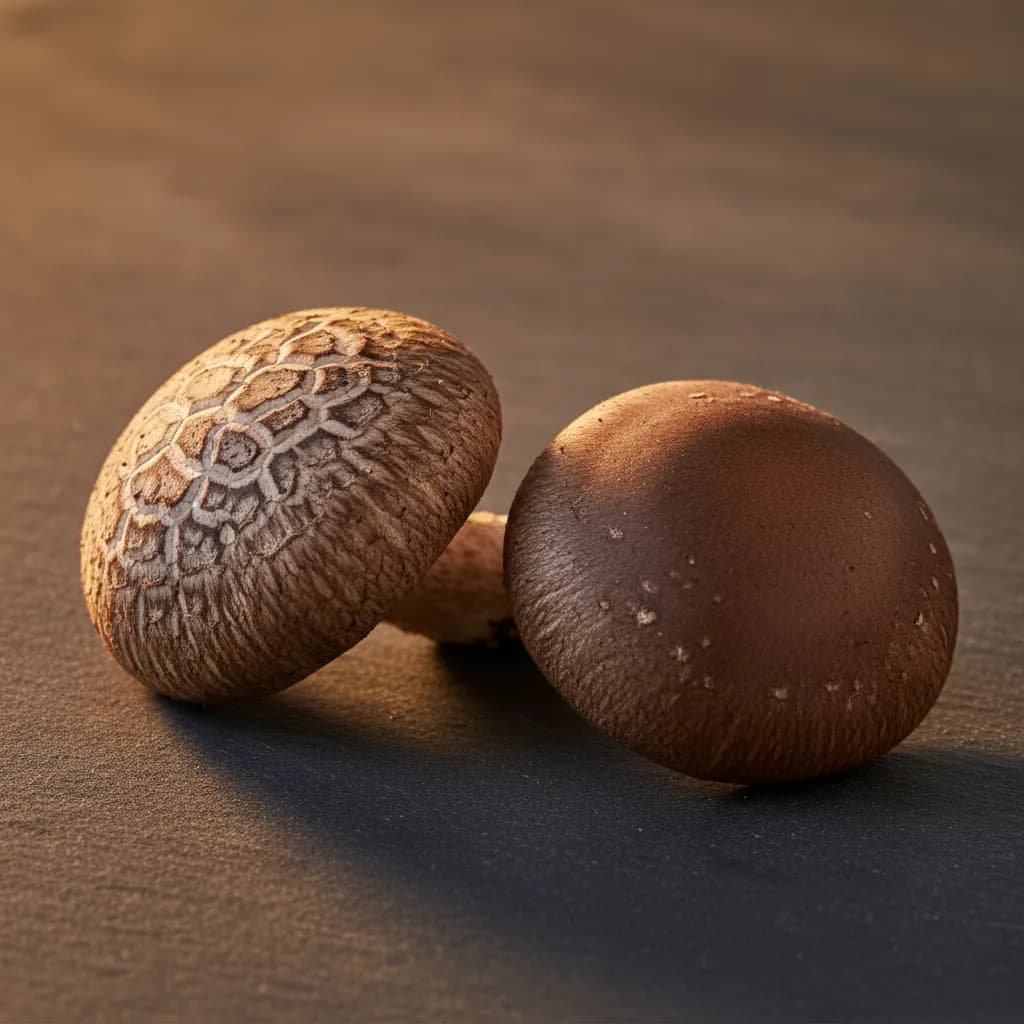
If you want to understand where modern mushroom cultivation began, you must look to Japan. Long before Western science turned its attention to fungi, Japanese farmers were perfecting the art of growing shiitake on hardwood logs in mountain forests — a tradition stretching back centuries. Japan did not merely pioneer mushroom growing; it invented the fundamental techniques that the entire global industry still relies upon today.
No other country has domesticated as many mushroom species for commercial production. Shiitake, enoki, maitake, nameko, bunashimeji, eringi (king trumpet), and dozens of others were first brought under cultivation by Japanese mycologists and farmers. The sawdust block method now used worldwide for shiitake, lion's mane, and other gourmet species? Developed in Japan. Automated bottle cultivation for enoki and shimeji? Japanese engineering. The concept of supplementing sawdust with rice bran to boost yields? Japanese research.
This guide explores Japan's extraordinary contribution to mycology — from the ancient hoda-gi log cultivation tradition to cutting-edge automated facilities, from the uncultivable matsutake to species that Western growers can adopt today. The goal is not to appropriate Japanese knowledge but to learn from it with the respect it deserves. For growers anywhere in the world, understanding Japanese mushroom cultivation is understanding the roots of the craft itself. See our complete growing guide for foundational techniques.
Species Originated or Perfected in Japan
Japan cultivates more mushroom species commercially than any other country on Earth. While Western cultivation has historically centred on a handful of species — button mushrooms, oyster mushrooms, and shiitake — Japanese growers have brought dozens of species to market, many of which remain little-known outside East Asia. The word kinoko(literally “child of the tree”) is the Japanese term for mushroom, and the depth of the culture surrounding these fungi is reflected in the diversity of species the Japanese have learned to grow.
| Species | Japanese Name | Method | Significance |
|---|---|---|---|
| Shiitake Lentinula edodes | Shiitake | Log, sawdust block | Most iconic; log cultivation pioneered in Japan in the 1600s |
| Enoki Flammulina velutipes | Enokitake | Bottle (cold room) | Commercial white form invented in Japan in the 1960s |
| Maitake Grifola frondosa | Maitake | Sawdust block | Extensively cultivated; name means 'dancing mushroom' |
| Nameko Pholiota nameko | Nameko | Sawdust block, log | Hugely popular in miso soup; rarely seen outside Japan |
| Bunashimeji Hypsizygus tessellatus | Bunashimeji | Bottle cultivation | Automated bottle method developed specifically for this species |
| King Trumpet Pleurotus eryngii | Eringi | Sawdust block, bottle | Commercial cultivation perfected in Japan from the 1990s |
| Matsutake Tricholoma matsutake | Matsutake | Wild harvest only | Most expensive; cannot be cultivated ($200-2,000/kg) |
Shiitakeremains the most globally significant Japanese contribution to mushroom cultivation. Japan produces approximately 70,000 tonnes of shiitake annually, and the species accounts for roughly 25% of the world's total mushroom production by value. Japanese growers distinguish between genki-ko (log-grown shiitake, prized for superior flavour and texture) and kinshi-ko (sawdust block-grown, higher yielding but considered less flavourful). Our shiitake growing guide covers both methods in detail.
Enokiis perhaps the most dramatic example of Japanese cultivation innovation. The wild form — brown-capped, short-stemmed, growing on dead trees in autumn — bears almost no resemblance to the long, white, noodle-like clusters sold commercially. In the 1960s, Japanese growers discovered that cultivating Flammulina velutipesin tall bottles inside dark, cold rooms (3–8°C) with elevated CO2 forced the mushrooms to produce elongated stems and tiny caps. This technique remains essentially unchanged today and produces over 140,000 tonnes annually in Japan alone.
Maitake (Grifola frondosa), whose name translates as “dancing mushroom” — reportedly because foragers danced with joy upon finding it — was first cultivated commercially in Japan in the 1980s. It grows in dense, overlapping clusters that can weigh several kilograms and is prized both for its rich flavour and its research interest in immune-supporting compounds. Learn more about maitake in our enoki, maitake, and specialty species guide.
Traditional Japanese Log Cultivation (Hoda-gi)
The hoda-gi method is the original mushroom cultivation technique — the foundation upon which the entire modern industry was built. Developed in the mountainous regions of Kyushu and Shikoku, this method of growing shiitake on hardwood logs has been practised continuously for over four centuries. The term hoda-gi (or hotagi) refers to the inoculated log itself, and the craft of managing these logs is known as kinoko saibai (mushroom cultivation).
The earliest documented shiitake cultivation involved simply cutting gashes into fallen logs in forests where shiitake grew wild and waiting for natural spore dispersal. By the 17th century, farmers had refined this into a deliberate practice of selecting specific tree species, managing forest stands, and placing cut logs near known shiitake-producing trees. The modern plug spawn method — drilling holes and inserting wooden dowels pre-colonised with shiitake mycelium — emerged in the early 20th century and remains the standard for log growers worldwide.
The Hoda-gi Process
Step 1: Tree Selection and Felling
Japanese growers traditionally use two oak species: konara oak (Quercus serrata) and kunugi oak (Quercus acutissima). These are coppiced hardwoods — cut at the base every 15–20 years, allowing them to regrow from the stump. Trees are felled during the dormant season (November to February) when sap content is lowest and bark adheres tightly, which helps prevent contamination. Logs are cut to 90–100 cm lengths and 8–15 cm diameter.
Step 2: Inoculation (Koma-uchi)
Holes are drilled at 15–20 cm intervals in a diamond pattern around the log. Wooden plug spawn (koma-kin) — short hardwood dowels pre-colonised with shiitake mycelium — are tapped into each hole and sealed with hot wax or styrofoam caps to prevent desiccation and competitor entry. A 90 cm log typically receives 30–40 plugs. This process takes place in late winter or early spring, giving the mycelium the entire warm season to colonise.
Step 3: Incubation and Log Management
Inoculated logs are stacked in a shaded forest setting using traditional patterns — yosekake (lean-to stacking against a support frame) or igeta-gumi(log-cabin stacking) — that promote air circulation while maintaining shade and humidity. Logs incubate for 12–18 months. During this period, the mycelium colonises the sapwood, consuming nutrients and preparing for fruiting. Japanese growers carefully monitor moisture content, aiming for 35–45% of the log's dry weight.
Step 4: Fruiting and Harvest
After full colonisation, fruiting is triggered naturally by autumn rains and temperature drops, or artificially by soaking logs in cold water for 12–24 hours (a technique called shinsui). Shiitake typically fruit in spring and autumn when temperatures range from 10–20°C. Logs are moved to an upright or leaning position for fruiting. A single well-managed log produces 2–4 harvests per year for 4–6 years. The finest log-grown shiitake — thick-capped donkowith deep cracks on the surface — command premium prices in Japanese markets.
Forest integration is a defining feature of hoda-gi cultivation. Unlike Western commercial mushroom growing, which typically occurs in controlled indoor environments, the Japanese log method is deeply embedded in forest management. The coppicing cycle produces logs for shiitake while maintaining a diverse, productive woodland ecosystem. The shaded, humid forest understorey provides the ideal microclimate for log incubation and fruiting with no energy inputs for heating, cooling, or humidification.
Western growers can adopt this method using local hardwood species. English oak, American red oak, sugar maple, and beech all produce excellent results. Our getting started guide includes instructions for adapting the hoda-gi method to North American and European climates.
Modern Japanese Cultivation Methods
While the hoda-gi tradition continues in rural Japan, the vast majority of Japanese mushroom production has moved to high-tech indoor facilities that represent the cutting edge of fungal agriculture. Japanese companies have invested heavily in automation, climate control, and genetics research, creating production systems that achieve extraordinary yields with minimal labour.
Automated Sawdust Block Production
Modern Japanese shiitake production uses supplemented sawdust blocks (kinshi-ko) rather than logs. Hardwood sawdust is mixed with rice bran, wheat bran, or corn cob at ratios of 80:20 to 85:15, hydrated to 60–65% moisture, packed into heat-resistant bags, and sterilised at 121°C for 90–120 minutes in large autoclaves. After cooling, blocks are inoculated with grain spawn in clean rooms, then incubated at 20–25°C for 60–90 days. Automated handling systems move thousands of blocks through the process with minimal human contact, dramatically reducing contamination rates. A single facility may produce 50,000–100,000 blocks simultaneously.
Climate-Controlled Fruiting Rooms
Japanese fruiting rooms use precise computer-controlled environments that manage temperature (±0.5°C), humidity (±2% RH), CO2 concentration, air velocity, and lighting schedules simultaneously. Different species receive customised fruiting programs: shiitake gets a cold shock (from 25°C to 12–15°C) to initiate pinning; enoki requires near-freezing temperatures (3–8°C) and darkness for its characteristic elongated form; maitake needs a gradual temperature drop and high humidity (90–95%) for proper cluster development. These systems can produce year-round harvests regardless of outdoor conditions.
LED Fruiting Technology
Japanese research has been at the forefront of understanding how light wavelengths affect mushroom development. Blue light (450–470 nm) promotes cap pigmentation and compact growth in shiitake. Red light (620–660 nm) influences primordium formation in certain species. Modern Japanese facilities use programmable LED panels that deliver precise light recipes for each growth stage, replacing the fluorescent lighting used in older facilities. This work has informed growing practices worldwide — see our cultivation guide for practical lighting advice.
Bottle Cultivation (Bin-Saibai)
Japan pioneered the bottle cultivation system now used globally for enoki, bunashimeji, and eringi. Polypropylene bottles (typically 850 ml or 1,100 ml capacity) are filled with supplemented sawdust substrate, sterilised, cooled, inoculated with liquid spawn, capped, and incubated on automated conveyor systems. After colonisation, caps are removed and bottles enter fruiting rooms. The entire process — from filling to harvest — takes 60–90 days and is almost fully automated. A single facility may run 100,000–500,000 bottles simultaneously. The system produces remarkably consistent mushrooms with minimal labour, though the capital investment is substantial.
Spawn Production and Genetics
Japanese spawn laboratories maintain extensive culture collections developed over decades. The Forestry and Forest Products Research Institute (FFPRI) in Tsukuba holds one of the world's largest collections of mushroom strains, including hundreds of shiitake varieties selected for specific climate conditions, fruiting temperatures, log types, and flavour profiles. Commercial spawn producers develop proprietary strains using selective breeding and, increasingly, marker-assisted selection. The genetic diversity of Japanese shiitake strains far exceeds what is available in Western spawn catalogues.
Japanese Species Western Growers Can Adopt
Several species perfected by Japanese growers are accessible to home and small-scale cultivators in North America, Europe, and Australasia. These species offer distinct culinary qualities, often filling niches not served by the usual oyster-shiitake-lion's mane rotation. Growing them at home gives access to fresh mushrooms that are difficult or impossible to find in Western markets.
Nameko — Pholiota nameko
A cold-loving species hugely popular in Japan but rarely available fresh outside East Asia. Nameko's defining feature is its thick gelatinous coating (namerako, meaning “slippery”), which gives miso soup its characteristic silky texture. Grow on supplemented hardwood sawdust (oak or beech, 10–15% rice bran) at fruiting temperatures of 10–15°C with very high humidity (90–95%). The challenge is maintaining humidity without promoting bacterial contamination — excellent air exchange is essential. Log cultivation on beech or oak is also possible, following a similar method to shiitake with a longer colonisation period.
Bunashimeji — Hypsizygus tessellatus
Sold as “white beech mushroom” or “brown beech mushroom” in Western markets, bunashimeji is Japan's second most popular cultivated species. It grows in dense clusters of small, firm mushrooms with a slightly bitter raw taste that becomes nutty and sweet when cooked. Best suited to bottle or bag cultivation on supplemented sawdust. Incubate at 20–24°C for 30–40 days, then fruit at 12–16°C with moderate humidity (80–85%). More forgiving than nameko and a rewarding species for intermediate growers looking to expand beyond the basics.
Maitake — Grifola frondosa
An advanced cultivation project but deeply rewarding. In Japan, maitake is grown on large sawdust blocks (3–5 kg) supplemented with rice bran and wheat bran. Incubation takes 60–90 days at 20–24°C. Fruiting requires a temperature drop to 15–18°C, high humidity (85–95%), and indirect light. The key challenge is the long production cycle and the species' sensitivity to contamination during incubation. A single successful block can produce a spectacular 500 g–1 kg cluster. Learn more in our maitake growing guide.
Enoki — Flammulina velutipes
The wild form of enoki can be grown on supplemented sawdust or logs, fruiting in autumn and winter at 5–15°C. Replicating the commercial elongated white form requires growing in tall containers (jars or bottles) in a dark, cold environment (3–8°C) with restricted air flow to elevate CO2 and force stem elongation. A basement, garage, or refrigerator set to the right temperature can serve as a fruiting space. Even without the commercial setup, home-grown enoki in its natural brown form is an excellent cold-weather crop with delicate flavour and firm texture.
King Trumpet (Eringi) — Pleurotus eryngii
While king trumpet originated in the Mediterranean region, its commercial cultivation was perfected in Japan from the 1990s onwards. It grows on supplemented hardwood sawdust (sawdust with 10–20% wheat bran or soy hull), incubated at 20–25°C for 25–35 days, and fruited at 15–18°C. Eringi is more forgiving than most Japanese species and produces thick, meaty stems prized for grilling, stir-frying, and slicing as a scallop alternative. An excellent choice for intermediate growers. See our king trumpet growing guide.
For all these species, sourcing quality spawn is essential. Look for spawn suppliers who carry Japanese-origin strains adapted to your climate. Many Western spawn companies now offer nameko, bunashimeji, and maitake cultures. Our getting started section covers substrate preparation, sterilisation, and inoculation techniques applicable to all these species.
The Matsutake Economy
Matsutake (Tricholoma matsutake) occupies a unique position in the mushroom world — it is perhaps the most prized culinary mushroom on Earth, commands prices of $200–2,000 per kilogram (with exceptional first-of-season specimens reaching $10,000+), and it cannot be commercially cultivated. This combination makes matsutake one of the most studied and economically significant wild fungi in history.
Why matsutake cannot be farmed: Matsutake is an obligate ectomycorrhizal fungus that forms intimate symbiotic relationships with the root systems of specific pine species, primarily Japanese red pine (Pinus densiflora). The fungus provides the tree with enhanced nutrient and water uptake; the tree provides the fungus with photosynthetically fixed carbon. This relationship cannot be replicated on dead substrates (sawdust, logs, straw) because the fungus requires a living host. Over 70 years of Japanese research — including attempts to inoculate pine seedlings, recreate soil microbiome conditions in the laboratory, and manipulate forest environments — have failed to produce a commercially viable cultivation method.
Declining Japanese harvests:Japan's domestic matsutake harvest has collapsed from approximately 12,000 tonnes per year in the 1940s to fewer than 30 tonnes in recent years. The primary cause is the spread of pine wilt disease (caused by the pine wood nematode Bursaphelenchus xylophilus), which has devastated Japanese red pine forests since the 1970s. The loss of mature pine forests has destroyed the mycorrhizal networks that matsutake depends upon. Secondary factors include reduced forest management (less undergrowth clearing), which allows competing fungi and vegetation to suppress matsutake colonies, and the ageing of rural communities that traditionally maintained matsutake forests.
The import market: To meet domestic demand, Japan imports matsutake from China, South Korea, North America (Pacific Northwest), Bhutan, Turkey, Morocco, and Scandinavia. North American matsutake (Tricholoma murrillianum, previously classified as T. magnivelare) is harvested in the Pacific Northwest, primarily in Oregon and British Columbia, with significant harvests also from Washington state. While closely related, North American and European matsutake are now considered separate species from the Japanese T. matsutake.
Cultural significance:Matsutake holds a place in Japanese culture comparable to truffles in French and Italian cuisine. The first matsutake of the autumn season is a celebrated event. The mushroom's distinctive spicy-cinnamon aroma (matsutake-ko) is considered one of the defining scents of autumn. Matsutake is traditionally prepared simply — grilled over charcoal (yaki-matsutake), steamed with rice (matsutake-gohan), or served in a clear broth (dobinmushi) — methods that showcase its unique aroma rather than masking it with heavy sauces.
Wild Mushrooms in Japan
Japan's extraordinary fungal diversity is a product of its dramatic geographic range. The Japanese archipelago stretches from subarctic Hokkaido in the north (43°N — comparable to southern France or Oregon) to subtropical Okinawa in the south (26°N — comparable to southern Florida). Between these extremes lie temperate forests, alpine zones, and warm-temperate evergreen forests, each supporting distinct fungal communities. Japan hosts an estimated 5,000–6,000 species of macrofungi, of which approximately 200 are considered edible and 40–50 are commonly collected.
Climate Zones and Fungal Diversity
Hokkaido (subarctic to cool temperate) hosts species familiar to European and North American foragers: ceps/porcini (Boletus edulis), chanterelles, and various Russula and Lactarius species beneath birch and Sakhalin spruce. Honshu's mountain forests (cool to warm temperate) are the heartland of matsutake, producing the finest specimens under Japanese red pine. The beech forests (buna-bayashi) of northern Honshu yield maitake, nameko, and hiratake (oyster mushroom). Southern Kyushu and Shikoku (warm temperate) support year-round fruiting of saprotrophic species, and Okinawa (subtropical) harbours tropical species including various polypores and coral fungi rarely seen on the mainland.
Foraging Culture (Kinoko-gari)
Mushroom foraging — kinoko-gari(literally “mushroom hunting”) — is a beloved autumn tradition in Japan. Families and friends organize foraging trips to forests, mountain slopes, and rural woodlands during September and October, when the greatest variety of species fruits simultaneously. Many rural communities maintain detailed knowledge of local mushroom spots, passed down through generations and often closely guarded. Matsutake forests, in particular, may be informally “owned” by specific families or communities who tend and harvest them year after year.
Mushroom Festivals (Kinoko Matsuri)
Mushroom festivals take place across Japan during autumn, celebrating the season's harvest. These events feature wild mushroom displays with dozens of identified species, matsutake tastings, forest walks with expert guides, and cooking demonstrations. Notable festivals occur in Nagano Prefecture (one of Japan's top matsutake regions), the Tottori Kinoko Kingdom (a mushroom-themed park), and numerous smaller rural communities throughout Honshu. For visitors interested in Japanese mycology, these festivals offer an accessible introduction to the culture.
Forest Bathing and Foraging
Japan's concept of shinrin-yoku(forest bathing) — spending contemplative time in forest environments for health and well-being — naturally intersects with mushroom foraging. Many forest bathing trails pass through prime mushroom habitat, and combining the two activities is increasingly popular. The slow, attentive observation required for mushroom hunting aligns perfectly with the mindful presence that forest bathing encourages. Several Japanese municipalities now promote combined shinrin-yoku and kinoko-gari experiences as nature tourism. See our foraging basics guide for techniques applicable to foraging anywhere in the world.
Mushroom Safety in Japan
Despite Japan's deep mushroom culture, poisonings remain a persistent problem. Japan's Ministry of Health, Labour and Welfare records 200–400 mushroom poisoning cases annually, with occasional fatalities. The autumn foraging season brings a predictable spike in incidents as amateur collectors venture into the forests. Understanding Japan's most dangerous species offers valuable lessons for foragers everywhere.
Tsukiyotake — Omphalotus japonicus
Japan's most common cause of mushroom poisoning. Tsukiyotake (literally “moon-night mushroom,” named for its bioluminescent gills) is a large, bracket-like fungus growing on dead beech and oak. It is frequently mistaken for shiitake, hiratake (oyster mushroom), or mukitake (Sarcomyxa edulis). The key distinguishing feature is a dark olive-black zone at the base of the stem visible when the mushroom is cut in cross-section. Symptoms appear within 30 minutes of ingestion: severe nausea, vomiting, and diarrhoea lasting 1–2 days. While rarely fatal, the intensity of symptoms frequently requires hospitalisation.
Kaentake — Podostroma cornu-damae
One of the world's most dangerous fungi. Kaentake (literally “flame mushroom”) is a bright red to orange-red, finger-like or coral-shaped fungus that grows on dead hardwood stumps and roots. It contains satratoxin H and other trichothecene mycotoxins that attack virtually every organ system. Ingestion causes hair loss, peeling skin, leukopenia (dangerously low white blood cell count), liver and kidney failure, and brain damage. Multiple fatalities have been recorded in Japan. Even handling kaentake can cause skin inflammation. There is no specific antidote. Our deadly mushrooms guide covers this and other lethal species worldwide.
Dokutsurutake — Amanita virosa
The Japanese name means “poison crane mushroom,” referring to its tall, elegant white form. This is the same destroying angel found in Europe and North America, containing lethal amatoxins that cause irreversible liver destruction. Found throughout Japan's broadleaf and mixed forests, particularly under oak and beech. Symptoms are delayed 6–12 hours after ingestion, by which time organ damage is already underway. Confusion with edible white mushrooms is the most common cause of fatal poisoning in Japan. The closely related Amanita subjunquillea (kusahatsumodoki) is also found in Japan and is equally deadly.
Kakishimeji — Tricholoma ustale
A brown-capped Tricholoma species common in Japanese broadleaf forests that causes gastrointestinal poisoning. It is frequently confused with edible Tricholomaspecies, including the prized matsutake. Symptoms include severe stomach cramps, vomiting, and diarrhoea beginning 1–3 hours after ingestion. While not typically fatal, the similarity to edible species makes it a frequent cause of misidentification-related illness.
Japanese safety practices:Japan's public health authorities run annual education campaigns before the autumn foraging season, distributing identification posters and guides. Many municipalities operate free mushroom identification services where foragers can bring their finds for expert confirmation before eating. This institutional infrastructure reflects both the popularity of foraging and the seriousness of the poisoning risk. Wherever you forage, the universal rule applies: never eat a mushroom you cannot identify with 100% certainty.
Japanese Mushroom Culture
Mushrooms are woven into the fabric of Japanese culture more deeply than in perhaps any other society. From haute cuisine to folk medicine, from art to language, kinoko permeate Japanese life in ways that go far beyond simple food.
Washoku — Japanese Cuisine
Mushrooms are a pillar of washoku (traditional Japanese cuisine, UNESCO Intangible Cultural Heritage since 2013). Shiitake is the most versatile: fresh shiitake is grilled, simmered, and added to hot pots; dried shiitake (hoshi-shiitake) provides the base for dashistock alongside kombu seaweed and katsuobushi (dried bonito). Nameko's silky texture makes it the traditional mushroom for nameko-jiru (miso soup with nameko). Matsutake is served with exquisite simplicity to honour its irreplaceable aroma. Enoki adds texture to hot pots and wrapped-in-bacon appetisers. Maitake is tempura-fried or simmered in soy-based sauces. King trumpet (eringi) is a modern addition, valued for its firm, scallop-like texture when grilled.
Umami — The Fifth Taste
Japan's mushroom culture is inseparable from the concept of umami— the fifth basic taste (alongside sweet, sour, salty, and bitter), first identified by Japanese chemist Kikunae Ikeda in 1908. Dried shiitake are one of the richest natural sources of guanylate, a nucleotide that synergises with glutamate to amplify umami flavour. When shiitake dashi is combined with kombu dashi (rich in glutamate), the result is a flavour intensity far greater than either alone. This synergistic umami effect is a foundational principle of Japanese cooking and one of the reasons mushrooms are so central to the cuisine.
Kampo — Traditional Medicine
Japanese traditional medicine (kampo) has used mushrooms therapeutically for centuries. Shiitake was documented as a health-promoting food in Japanese and Chinese medical texts from the Ming Dynasty. Maitake has been the subject of extensive Japanese research into immune-modulating beta-glucan compounds, particularly the D-fraction and MD-fraction polysaccharides. Reishi (mannentakein Japanese, meaning “10,000-year mushroom”) has been used in kampo formulations for centuries. It is important to note that while Japanese research into medicinal mushrooms is extensive and scientifically rigorous, health claims should always be qualified — research suggests potential benefits, but mushrooms are not medicines in the regulatory sense.
Mushroom Tourism
Japan has developed a thriving mushroom tourism sector. The Tottori Kinoko Kingdom in Tottori Prefecture is a mushroom-themed park with cultivation displays, mushroom gardens, restaurants, and a museum. Nagano Prefecture promotes matsutake tourism in autumn, offering guided forest walks and matsutake-focused kaiseki (multi-course) meals. The Forestry and Forest Products Research Institute in Tsukuba, Ibaraki Prefecture, offers educational tours covering mushroom research and cultivation technology. Many rural communities in Oita, Miyazaki, and Kumamoto prefectures — historical centres of shiitake log cultivation — welcome visitors to observe and participate in traditional hoda-gi methods.
Japanese Mushroom Research Institutions
Japan's mycological research infrastructure is among the most extensive in the world. The Forestry and Forest Products Research Institute (FFPRI) in Tsukuba conducts foundational research on shiitake genetics, cultivation optimisation, and forest mushroom ecology. The Mycological Society of Japan (founded 1956) publishes the journal Mycoscienceand organises annual conferences. University mycology departments at Tottori, Hokkaido, Tokyo, and Kyoto universities produce globally significant research on mushroom biology, cultivation, and medicinal properties. For cultivators worldwide, Japanese research papers — many now available in English — remain essential reading for understanding species biology and optimising growing conditions.
Frequently Asked Questions
Why is Japan considered the birthplace of modern mushroom cultivation?
Japan pioneered commercial mushroom cultivation centuries before any other country. The earliest documented shiitake cultivation using the hoda-gi (log) method dates to the 1600s in the mountainous regions of Kyushu and Shikoku. Japanese scientists later developed sawdust block cultivation, automated climate-controlled growing facilities, and spawn production techniques that became the foundation of the modern global mushroom industry. Japan also domesticated more mushroom species for commercial production than any other nation, including enoki, nameko, bunashimeji, eringi (king trumpet), and maitake.
What is the hoda-gi method of shiitake cultivation?
Hoda-gi is the traditional Japanese method of growing shiitake on hardwood logs. The process involves felling konara oak (Quercus serrata) or kunugi oak (Quercus acutissima) during the dormant season (November to February), cutting logs to 90-100 cm lengths, drilling holes at 15-20 cm intervals, inserting wooden plug spawn (koma-kin), and stacking logs in a shaded forest setting. Logs incubate for 12-18 months before the first harvest, then produce shiitake for 4-6 years depending on log diameter. The method integrates with sustainable forest management — trees are coppiced on a 15-20 year rotation, providing a continuous supply of logs while maintaining woodland ecology.
Can Western growers cultivate nameko mushrooms?
Yes, nameko (Pholiota nameko) can be grown by Western cultivators, though it requires more attention to humidity than most species. Nameko thrives on supplemented hardwood sawdust blocks (oak, beech, or maple sawdust with 10-15% rice bran) incubated at 20-24°C for 30-45 days. Fruiting requires high humidity (90-95%), cool temperatures (10-15°C), and fresh air exchange. The mushrooms are ready to harvest when caps reach 2-4 cm diameter, still covered in their characteristic gelatinous coating (namerako, meaning 'slippery'). Log cultivation is also possible using oak or beech, following a similar method to shiitake but with longer colonisation times.
Why can't matsutake mushrooms be commercially cultivated?
Matsutake (Tricholoma matsutake) is an obligate mycorrhizal fungus that forms a symbiotic relationship with the roots of living pine trees — primarily Japanese red pine (Pinus densiflora). Unlike saprotrophic species such as shiitake or oyster mushrooms, matsutake cannot decompose dead wood or grow on prepared substrates. It requires a living host tree, specific soil microbiome conditions, and decades to establish productive colonies. Despite over 70 years of Japanese research and significant investment, no one has successfully cultivated matsutake commercially. The closest achievement has been inoculating pine seedlings with matsutake mycelium, but fruiting in plantation settings remains unreliable and uneconomical.
What is the difference between wild and cultivated enoki mushrooms?
Wild enoki (Flammulina velutipes) and the cultivated form sold in Japanese supermarkets look like entirely different species. Wild enoki has a brown, sticky cap 2-8 cm wide, a velvety dark stem, and grows on dead hardwood trees in autumn and winter. The cultivated form — developed in Japan in the 1960s — is grown in tall bottles inside dark, refrigerated rooms at 3-8°C with elevated CO2. This forces the mushrooms to produce long, thin white stems and tiny caps as they stretch toward light and air, creating the familiar bean sprout-like clusters. The flavour also differs: wild enoki is richer and more complex, while cultivated enoki is mild and crunchy.
What are the most common mushroom poisonings in Japan?
Japan reports 200-400 mushroom poisoning cases annually, with occasional fatalities. The most common culprit is tsukiyotake (Omphalotus japonicus), a bioluminescent jack-o'-lantern mushroom that grows on dead beech trees and is frequently mistaken for shiitake or hiratake (oyster mushroom). It causes severe vomiting and diarrhoea within 30 minutes of ingestion. The most dangerous species is kaentake (Podostroma cornu-damae), a bright red coral-like fungus containing trichothecene mycotoxins that can cause organ failure and death. Dokutsurutake (Amanita virosa), the destroying angel, is also found throughout Japan's forests and contains the same lethal amatoxins found in the European death cap.
How has Japanese mushroom cultivation influenced the global industry?
Nearly every aspect of modern commercial mushroom growing traces back to Japanese innovation. Sawdust block cultivation — now the dominant method worldwide for shiitake, oyster, lion's mane, and other gourmet species — was developed in Japan in the 1940s-1950s. Japanese engineers pioneered automated bottle cultivation systems used globally for enoki, bunashimeji, and eringi. The concept of supplemented sawdust substrates (adding rice bran, wheat bran, or other nitrogen sources to boost yields) originated in Japanese research. Japan's Forest Research Institute and university mycology departments have published foundational research on spawn genetics, fruiting triggers, substrate optimisation, and post-harvest handling that remains essential reading for commercial growers worldwide.
What Japanese mushroom species can beginners grow at home?
Several Japanese-origin species are accessible to home cultivators. Shiitake on logs is a classic beginner project — drill, plug, wait, and harvest for years with minimal effort. King trumpet (eringi) grows well on supplemented sawdust blocks at room temperature (18-24°C) and is forgiving of humidity fluctuations. Nameko is slightly more challenging due to its high humidity requirements but rewards with a unique culinary ingredient unavailable fresh in most Western markets. Enoki can be grown in jars or bottles in a cold room or refrigerator, though replicating the commercial elongated form requires careful CO2 and light management. Maitake is an advanced project best suited to experienced growers comfortable with sawdust block preparation and environmental control.
Want to Grow Japanese Mushroom Species?
Whether you want to try nameko for the first time, optimise your shiitake log cultivation, or attempt an advanced maitake grow, Dr. Myco is our AI mycology assistant trained on decades of cultivation knowledge. Ask about substrate recipes, fruiting parameters, strain selection, or troubleshooting — get expert guidance in seconds tailored to your specific setup and climate.
Ask Dr. MycoAbout the Author
Andrew Langevin is the founder of Nature Lion Inc, a CFIA-licensed mushroom cultivation facility that has served over 50,000 customers. He is a contributing author of Mushroomology (Brill, 2026), one of the most comprehensive academic references on applied mycology. His content draws on verified Mushroom Observer data covering 5,700+ species and a knowledge base of 32,000+ community knowledge chunks spanning decades of field experience.
Read full bio →Continue Learning
Shiitake Growing Guide
Complete guide to growing Japan's most iconic mushroom
Enoki, Maitake & Specialty Species
Japanese species cultivation techniques
King Trumpet (Eringi) Guide
Growing the thick-stemmed Japanese favourite
How to Grow Mushrooms
Complete growing guide for beginners
Getting Started
Equipment, substrates, and first steps
Deadly & Toxic Mushrooms
Species that can kill or harm you worldwide
UK Mushroom Guide
Growing and foraging in the British Isles
Log Cultivation Guide
The Western adaptation of hoda-gi
Substrate Basics
Preparing growing media for any species