Mushroom Health & Medicinal Benefits
17 tips in Species Guides
By Andrew Langevin · Founder, Nature Lion Inc · Contributing author, Mushroomology (Brill, 2026)
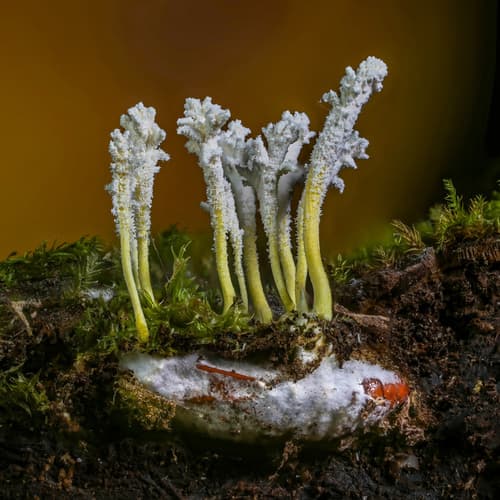
Lion's mane (Hericium erinaceus) is one of the most studied medicinal mushrooms, with research focusing on its unique neurological benefits.
The key bioactive compounds are hericenones (found in the fruiting body) and erinacines (found in the mycelium), which research suggests may stimulate the production of nerve growth factor (NGF). NGF is a protein essential for the growth, maintenance, and survival of neurons.
Study-supported potential benefits include:
- Cognitive function — a 2009 double-blind, placebo-controlled trial in Japan found that older adults with mild cognitive impairment who took lion's mane extract for 16 weeks showed significantly improved cognitive function compared to the placebo group
- Mood support — research suggests lion's mane may help reduce symptoms of anxiety and depression, possibly through anti-inflammatory effects in the brain
- Nerve regeneration — animal studies indicate lion's mane extracts may support peripheral nerve repair after injury
- Gut health — lion's mane contains beta-glucans and other polysaccharides that may support digestive health and reduce inflammation in the GI tract
Lion's mane is generally considered safe, but individuals on blood-thinning medications or with mushroom allergies should consult a healthcare provider before supplementing.
Turkey tail (Trametes versicolor) is among the most extensively researched medicinal mushrooms, particularly for immune system support.
The two primary bioactive compounds are polysaccharide-K (PSK) and polysaccharopeptide (PSP), both beta-glucan protein complexes. PSK has been approved as an adjunct therapy in Japan since the 1970s and is covered by national health insurance there.
Research-supported potential benefits include:
- Immune modulation — studies suggest turkey tail polysaccharides may enhance the activity of natural killer (NK) cells, T-cells, and macrophages, key components of the immune system
- Gut microbiome support — turkey tail acts as a prebiotic, research suggests it may promote the growth of beneficial gut bacteria including Bifidobacterium and Lactobacillus
- Antioxidant properties — turkey tail contains phenols and flavonoids that may help combat oxidative stress
- General wellness — traditional use across many cultures spans centuries for overall vitality and resilience
Turkey tail is typically consumed as a hot water tea, tincture, or powdered extract because the fruiting body is too tough to eat directly. It has a mild, slightly earthy flavor that is more palatable than reishi. As with all supplements, consult a healthcare provider before starting turkey tail, especially if you are on immunosuppressive medications.
Lion's mane is generally well-tolerated in studies, but some individuals may experience side effects, particularly at higher doses or with extended use.
Commonly reported side effects include:
- Digestive discomfort — some people report mild stomach upset, nausea, or diarrhea, especially when starting supplementation. Starting with a lower dose and gradually increasing may help.
- Skin irritation — rare reports of itchy skin or rash, which may indicate an allergic sensitivity to fungal compounds
- Allergic reactions — individuals with known mushroom allergies should avoid lion's mane entirely. Symptoms can include difficulty breathing, swelling, or hives.
Potential interactions and cautions:
- Blood clotting — lion's mane may have mild antiplatelet activity. People taking blood thinners (warfarin, aspirin) or preparing for surgery should consult their doctor before use.
- Blood sugar — some animal studies suggest lion's mane may lower blood sugar levels, so diabetics on medication should monitor levels carefully
- Pregnancy and breastfeeding — insufficient research exists to confirm safety during pregnancy or nursing, so most practitioners recommend avoidance
Most clinical studies used doses of 250mg to 3g per day of extract without serious adverse events. However, supplements are not FDA-regulated, so quality and potency vary widely between brands. Choose products that provide third-party testing certificates of analysis (COAs).
Cordyceps refers primarily to two species used in supplements: the wild Cordyceps sinensis (extremely rare and expensive) and the cultivated Cordyceps militaris (widely available and affordable). Most commercial supplements use C. militaris or mycelium grown on grain.
The key bioactive compound is cordycepin (3'-deoxyadenosine), along with beta-glucans and other polysaccharides. Research suggests several potential benefits:
- Exercise performance — some studies suggest cordyceps may improve oxygen utilization (VO2 max) and endurance, possibly by enhancing cellular ATP production. A 2010 study in the Journal of Alternative and Complementary Medicine found improved exercise performance in older adults after 12 weeks of supplementation.
- Energy and fatigue reduction — traditional Chinese medicine has used cordyceps for centuries to combat fatigue, and some modern research supports mild energy-boosting effects
- Respiratory support — cordyceps has been traditionally used for respiratory health, and animal studies suggest it may support lung function
- Blood sugar regulation — animal studies indicate cordyceps may help maintain healthy blood sugar levels through improved insulin sensitivity
When purchasing cordyceps supplements, look for products made from *Cordyceps militaris* fruiting bodies rather than mycelium-on-grain, as fruiting bodies contain significantly higher levels of cordycepin.
Reishi (Ganoderma lucidum), called lingzhi in Chinese medicine, has been used medicinally for over 2,000 years and is one of the most thoroughly studied medicinal mushrooms.
The primary bioactive compounds are triterpenoids (ganoderic acids, responsible for the bitter taste) and beta-glucan polysaccharides. Research suggests several potential benefits:
- Immune system modulation — reishi polysaccharides may enhance immune cell activity, including natural killer cells and macrophages. Some studies suggest reishi may help balance an overactive immune response as well.
- Stress and sleep support — reishi is classified as an adaptogen in traditional medicine, and some research suggests it may help reduce fatigue and improve sleep quality. A 2012 study found that reishi supplementation improved subjective feelings of well-being and reduced fatigue in breast cancer patients.
- Liver support — animal studies suggest reishi triterpenoids may have hepatoprotective properties
- Cardiovascular health — some research indicates reishi may support healthy blood pressure and cholesterol levels
Reishi is consumed as tea, tincture, or capsules — never eaten fresh due to its woody, bitter nature. Dual extraction (hot water + alcohol) captures both water-soluble polysaccharides and alcohol-soluble triterpenoids. Consult a healthcare provider before use, especially if taking blood pressure or blood-thinning medications.
Chaga (Inonotus obliquus) is a parasitic fungus that grows primarily on birch trees in cold northern climates. The dark, charcoal-like mass (called a sclerotium) harvested from birch trunks has been used in Russian, Scandinavian, and Indigenous medicine for centuries.
Chaga is exceptionally rich in melanin (contributing to its dark color), betulinic acid (derived from birch bark), beta-glucans, and various antioxidant compounds. Research suggests potential benefits:
- Antioxidant capacity — chaga has one of the highest ORAC scores (oxygen radical absorbance capacity) of any natural food, suggesting strong antioxidant potential
- Immune support — beta-glucans in chaga may modulate immune system activity, supporting both innate and adaptive immunity
- Anti-inflammatory properties — animal studies suggest chaga extracts may reduce markers of chronic inflammation
- Blood sugar support — some animal research indicates chaga may help maintain healthy blood sugar levels
Important considerations: chaga is high in oxalates, which may contribute to kidney stone formation in susceptible individuals. People with kidney disease should avoid chaga. Additionally, chaga may interact with blood-thinning and diabetes medications.
Chaga is typically prepared as a tea by simmering chunks or powder in hot water for 15-30 minutes. Wild-harvested chaga from living birch trees is considered superior to cultivated forms.
Mushroom coffee is a blend of regular ground coffee mixed with powdered extracts of medicinal mushrooms, typically lion's mane, chaga, cordyceps, or reishi. Most products contain roughly half the caffeine of regular coffee, with mushroom extract making up the remaining volume.
The claimed benefits combine coffee's stimulant effects with the adaptogenic and nootropic properties of medicinal mushrooms:
- Sustained focus without jitters — lion's mane extract may support cognitive function while the reduced caffeine content produces a smoother energy curve
- Immune support — chaga and reishi extracts provide beta-glucans
- Reduced acidity — some users report less stomach irritation compared to regular coffee, though this may simply be due to lower coffee volume per serving
Does it work? The answer depends on expectations. The mushroom extracts in quality products do contain bioactive compounds with research-backed potential benefits. However, the doses per serving are often significantly lower than those used in clinical studies. A typical mushroom coffee serving might contain 250-500mg of mushroom extract, while studies often use 1-3g daily.
When evaluating mushroom coffee products, check for:
- Extracts made from fruiting bodies rather than mycelium-on-grain
- Specified beta-glucan content on the label
- Third-party testing and certificates of analysis
Mushroom coffee is not a replacement for dedicated supplementation but may provide mild benefits as part of a daily routine.
The best mushroom supplement depends on your specific health goals, as different species offer different research-supported benefits.
By goal:
- Cognitive support and focus — lion's mane (Hericium erinaceus) is the strongest candidate, with human studies showing improved cognitive function
- Immune system support — turkey tail (Trametes versicolor) has the most robust clinical evidence, particularly PSK and PSP compounds
- Energy and physical performance — cordyceps (Cordyceps militaris) is traditionally used for stamina and has some supporting research
- Stress and sleep — reishi (Ganoderma lucidum) is the classic adaptogenic choice
- Antioxidant support — chaga (Inonotus obliquus) has exceptionally high antioxidant capacity
Quality indicators to look for:
- Made from fruiting bodies, not mycelium grown on grain (which contains significant starch filler)
- Specifies beta-glucan percentage (look for 20%+ for polysaccharide-rich species)
- Provides a certificate of analysis (COA) from third-party testing
- Lists the extraction method (hot water, alcohol, or dual extraction)
- Avoids proprietary blends that hide individual ingredient amounts
Start with a single species supplement rather than a multi-mushroom blend, so you can assess its effects clearly. Once you understand how one species affects you, consider adding others.
Turkey tail has more published cancer-related research than any other medicinal mushroom, but it is critical to understand the context and limitations of this research.
What the research shows:
- PSK (polysaccharide-K) extracted from turkey tail has been used as an adjunct therapy alongside conventional cancer treatment in Japan since the 1970s. It is prescribed to support immune function during and after chemotherapy, not as a standalone treatment.
- Multiple clinical trials, primarily in Japan, have shown that PSK used alongside chemotherapy may improve survival rates in gastric and colorectal cancer patients compared to chemotherapy alone.
- An NIH-funded Phase I clinical trial at the University of Minnesota found that turkey tail extract improved immune function in breast cancer patients following radiation therapy.
- PSP, a related compound studied primarily in China, has shown similar immunomodulatory effects in research settings.
What the research does NOT show:
- Turkey tail does not cure cancer or replace conventional cancer treatment
- Most studies use concentrated pharmaceutical-grade extracts at specific doses, not over-the-counter supplements
- Results from adjunct therapy studies cannot be generalized to prevention or standalone treatment
Anyone considering turkey tail as part of a cancer treatment plan should discuss it with their oncologist. Some interactions with immunotherapy drugs are possible, and self-treatment without medical guidance is not recommended.
Lion's mane mushroom powder is a convenient supplement form made by drying and grinding lion's mane fruiting bodies or extracts into a fine powder that can be added to drinks, smoothies, or capsules.
The powder contains the same bioactive compounds found in fresh lion's mane, primarily hericenones and erinacines, which research suggests may support nerve growth factor (NGF) production. The effects people commonly report include:
- Improved mental clarity and focus — many users report noticeable improvements in concentration and cognitive sharpness within 2-4 weeks of daily use
- Reduced brain fog — particularly noted by people experiencing stress-related cognitive difficulties
- Mood support — some users report feeling calmer and more balanced
Types of lion's mane powder:
- Whole fruiting body powder — simply dried and ground mushroom. Contains beneficial compounds but they are locked behind chitin cell walls, reducing bioavailability.
- Hot water extract powder — processed to break cell walls and concentrate water-soluble polysaccharides and beta-glucans
- Dual extract powder — uses both hot water and alcohol extraction to capture the full spectrum of hericenones and erinacines. This is considered the most effective form.
Typical doses range from 500mg to 3g daily. For best results, choose a dual-extract powder from fruiting bodies with a specified beta-glucan content, and take consistently for at least 4-8 weeks before evaluating effects.
Reishi tea is a traditional preparation that extracts water-soluble beta-glucans and polysaccharides from the dried mushroom. The process requires extended simmering because reishi's tough, woody cell walls resist quick extraction.
Basic reishi tea recipe:
- Use 5-10g of dried reishi slices (or 2-3 tablespoons of powder) per 500ml of water
- Bring water to a boil, then reduce to a gentle simmer at 80-90°C
- Simmer for 1-2 hours minimum — longer simmering (up to 4 hours) produces a stronger, more concentrated tea
- The liquid will reduce and darken to a deep reddish-brown
- Strain through a fine mesh strainer or cheesecloth
Flavor notes: reishi tea is intensely bitter due to triterpenoid compounds. Common additions to improve palatability:
- Raw honey — add after cooling slightly (below 60°C to preserve honey enzymes)
- Ginger slices — simmer alongside the reishi for complementary flavor
- Cinnamon sticks — add warmth and sweetness
- Lemon juice — brightens the flavor
You can reuse the same reishi slices for 2-3 batches, simmering longer each time as the remaining compounds become harder to extract. Store leftover tea in the refrigerator for up to 5 days and reheat gently before drinking.
Note: reishi tea extracts only water-soluble compounds. For the full spectrum of benefits including triterpenoids, a dual extraction (water + alcohol tincture) is recommended.
Turkey tail tea is one of the simplest and most effective ways to extract the immune-supporting beta-glucans from this medicinal mushroom. Turkey tail has a milder, more pleasant flavor than reishi, making it an easier daily tea habit to maintain.
Basic turkey tail tea recipe:
- Use 5-10g of dried turkey tail pieces (torn or cut into small strips) per 500ml of water
- Bring water to a boil, then reduce to a gentle simmer
- Simmer for 1-2 hours — the longer you simmer, the more beta-glucans are extracted
- The tea will turn a light amber to medium brown color
- Strain through a fine mesh strainer
Preparation tips:
- Break pieces small — turkey tail brackets are tough and leathery, so smaller pieces expose more surface area for extraction
- Powder option — grinding dried turkey tail in a blender or coffee grinder before simmering dramatically increases extraction efficiency
- Slow cooker method — add turkey tail and water to a slow cooker on low for 8-12 hours for maximum extraction with minimal attention
Flavor and serving suggestions:
- Turkey tail has a mild, slightly earthy, woody taste — far less bitter than reishi
- Pairs well with green tea, chamomile, or peppermint
- Add honey, lemon, or ginger to taste
- Drink 1-2 cups daily for consistent immune support
Dried turkey tail pieces can be reused for 2-3 batches before the compounds are fully extracted.
Chaga (Inonotus obliquus) has been used in folk medicine across Russia, Scandinavia, and North America for centuries, and modern research is beginning to validate some traditional uses.
Primary research-supported applications:
- Antioxidant powerhouse — chaga contains exceptionally high levels of superoxide dismutase (SOD), melanin, and polyphenols. Its ORAC (oxygen radical absorbance capacity) score is among the highest of any natural substance, suggesting strong free-radical scavenging potential.
- Immune system support — chaga's beta-glucans may help modulate immune function, supporting the body's natural defense mechanisms without overstimulating the immune response
- Anti-inflammatory potential — animal studies suggest chaga may reduce markers of chronic inflammation, which is associated with numerous chronic health conditions
- Skin health — the high melanin content has led to interest in chaga's potential for supporting skin health and protecting against UV damage
- Digestive support — traditional use includes chaga tea for stomach and digestive complaints, and some research suggests anti-ulcer properties in animal models
How to use chaga:
- Tea — simmer chunks or powder for 15-30 minutes
- Tincture — dual extraction captures both water and alcohol-soluble compounds
- Powder — add to smoothies, coffee, or hot chocolate
Important: chaga is high in oxalates and should be avoided by people with kidney disease or a history of kidney stones. It may also interact with blood-thinning and diabetes medications.
Functional mushrooms is a modern wellness term referring to mushroom species consumed primarily for health benefits beyond basic nutrition. The term distinguishes these species from purely culinary mushrooms (like button or portobello) and psychoactive varieties.
The most commonly recognized functional mushrooms include lion's mane, reishi, chaga, turkey tail, cordyceps, and maitake. Each contains distinct bioactive compounds, but they share several common mechanisms:
How functional mushrooms work:
- Beta-glucans — complex polysaccharides found in mushroom cell walls that interact with immune receptors (particularly Dectin-1 and complement receptor 3) to modulate immune function. This is the most well-studied mechanism across all functional mushroom species.
- Triterpenoids — found primarily in reishi and chaga, these compounds have demonstrated anti-inflammatory and antioxidant properties in research settings
- Hericenones and erinacines — unique to lion's mane, these compounds may stimulate nerve growth factor production
- Cordycepin — found in cordyceps, this nucleoside analog may support cellular energy production
- Prebiotic effects — mushroom polysaccharides may feed beneficial gut bacteria, supporting the gut-immune axis
Key considerations:
- Extraction matters — mushroom cell walls are made of chitin, which humans cannot digest. Hot water or alcohol extraction breaks these walls to release bioactive compounds.
- Fruiting body vs. mycelium — fruiting bodies generally contain higher concentrations of species-specific compounds, while mycelium-on-grain products contain significant grain starch
- Consistency is important — most research shows benefits after 4-12 weeks of daily use
A mushroom tincture is a concentrated liquid extract that captures bioactive compounds using alcohol, water, or both. The dual extraction method is considered the gold standard for most medicinal mushrooms.
Step 1: Alcohol extraction (captures triterpenoids and alcohol-soluble compounds)
- Fill a clean glass jar halfway with dried, chopped mushroom pieces (reishi, chaga, turkey tail, or lion's mane)
- Cover completely with high-proof alcohol — 190-proof grain alcohol (Everclear) is ideal, but 80-proof vodka works acceptably
- Seal tightly and store in a cool, dark place for 4-6 weeks, shaking the jar daily
- Strain through cheesecloth, squeezing out all liquid. Reserve the alcohol extract AND the spent mushroom material.
Step 2: Hot water extraction (captures beta-glucans and polysaccharides)
- Place the spent mushroom material from step 1 into a pot with fresh water (use roughly the same volume as your alcohol extract)
- Simmer at 80-90°C for 2-4 hours, reducing the liquid by about half
- Strain and allow to cool completely
Step 3: Combine
- Mix the alcohol extract and water extract together in equal parts
- The final tincture should be approximately 25-35% alcohol, which acts as a preservative
- Bottle in dark glass dropper bottles
- Store in a cool, dark place — shelf life is 2-5 years
Dosage: typically 1-2 dropperfuls (1-2ml) taken 1-3 times daily, placed under the tongue or added to water or tea.
Lion's mane (Hericium erinaceus) is the most researched mushroom for brain health, with studies demonstrating measurable effects on nerve growth factor (NGF) and brain-derived neurotrophic factor (BDNF) — two proteins essential for neuron survival, growth, and plasticity.
Key research findings:
- A landmark 2009 Japanese double-blind trial found that adults aged 50-80 with mild cognitive impairment who took 3g of lion's mane powder daily for 16 weeks scored significantly higher on cognitive function tests than the placebo group. However, benefits declined after supplementation stopped.
- Hericenones (from fruiting bodies) and erinacines (from mycelium) cross the blood-brain barrier and stimulate NGF synthesis in the hippocampus — the brain region critical for memory formation and spatial navigation
- A 2020 study published in Journal of Medicinal Food found improved recognition memory and short-term recall in healthy adults taking 1.8g of lion's mane extract daily for 12 weeks
- Animal studies show lion's mane may reduce beta-amyloid plaques associated with cognitive decline and support myelin sheath repair around nerve fibers
Practical supplementation guidance:
- Effective dose range: 500mg-3g daily of fruiting body extract
- Timeline: most studies show measurable effects after 4-8 weeks of consistent daily use
- Best form: dual-extracted fruiting body powder with verified beta-glucan content above 25%
- Timing: many users prefer morning dosing for focus, though no research confirms optimal timing
Research suggests lion's mane supports cognitive function, but it is not a cure for neurological disease. Consult a healthcare provider before using it alongside any neurological medications.
Turkey tail (Trametes versicolor) contains two heavily researched immune-modulating compounds — polysaccharide-K (PSK) and polysaccharopeptide (PSP) — that have been studied in over 400 published papers and used clinically in Asia for decades.
How turkey tail supports immunity:
- PSK and PSP are beta-glucan protein complexes that bind to receptors on immune cells (Dectin-1 and Toll-like receptors), activating both innate and adaptive immune responses
- They stimulate the production and activity of natural killer (NK) cells, cytotoxic T-cells, and macrophages — the frontline defenders against pathogens and abnormal cells
- Turkey tail acts as an immunomodulator rather than a simple immune stimulant, meaning it may help balance an overactive immune response as well as boost a weak one
Notable clinical research:
- PSK has been an approved adjunct therapy in Japan since 1977, prescribed alongside conventional treatments to support immune recovery. It is covered by Japanese national health insurance.
- An NIH-funded Phase I trial at the University of Minnesota demonstrated that turkey tail extract at 6-9g daily improved immune markers in breast cancer patients following radiation therapy
- A 2012 study showed turkey tail supplementation increased NK cell activity and lymphocyte counts in immunocompromised subjects
How to use turkey tail for immune support:
- Hot water extract or tea: simmer dried turkey tail for 1-2 hours to extract beta-glucans
- Capsules or powder: 1-3g daily of fruiting body extract
- Consistency matters: research suggests benefits accumulate over 8-12 weeks of daily use
Turkey tail is generally well-tolerated, but individuals on immunosuppressive medications should consult their healthcare provider before supplementing.
Need more help? Dr. Myco can answer follow-up questions about mushroom health & medicinal benefits based on thousands of real growing experiences.
Ask Dr. MycoMore in Species Guides
Oyster Mushrooms
15 tips
Lion's Mane
13 tips
Shiitake
13 tips
King Oyster
12 tips
Reishi
13 tips
Chestnut & Other Gourmet
15 tips
Cooking & Preparation
16 tips
Enoki, Maitake & Cordyceps
14 tips
Mushroom Alternate Names & Varieties
17 tips
Mushroom Supplement Guide
18 tips
Common Mushroom Varieties
20 tips
Rare & Specialty Cultivatable Species
16 tips